Doctor of Philosophy (PhD) in Marine Sciences
A PhD in Marine Sciences trains students in advanced research on ocean environments, preparing them for careers in academia, research institutions, and environmental organizations.
About
The Doctor of Philosophy (PhD) in Marine Sciences is a research-focused degree offered in the United States that typically takes between four and seven years to complete. This program is designed for students who have already completed a master's degree or equivalent and wish to deepen their expertise in marine sciences through original research. It is ideal for those interested in understanding ocean ecosystems, marine biology, oceanography, or related fields. Graduates often pursue careers as researchers, university professors, or specialists in environmental agencies and marine conservation organizations.
- The PhD involves conducting independent research leading to a dissertation that contributes new knowledge to marine sciences.
- It is aimed at students with a strong scientific background and a passion for marine environments.
- The degree prepares students for roles that require high-level analytical and scientific skills.
- Students learn to design experiments, analyze data, and communicate scientific findings effectively.
- The program supports careers in academia, government agencies, and non-profit organizations focused on marine issues.
What you study
The PhD program in Marine Sciences is structured around progressive research activities combined with coursework to build advanced knowledge. The first years usually focus on completing required courses and developing a research proposal, while the later years are dedicated to conducting research and writing the dissertation.
- Students study advanced topics such as marine ecology, oceanography, marine chemistry, and data analysis.
- Research methods and scientific communication are key components throughout the program.
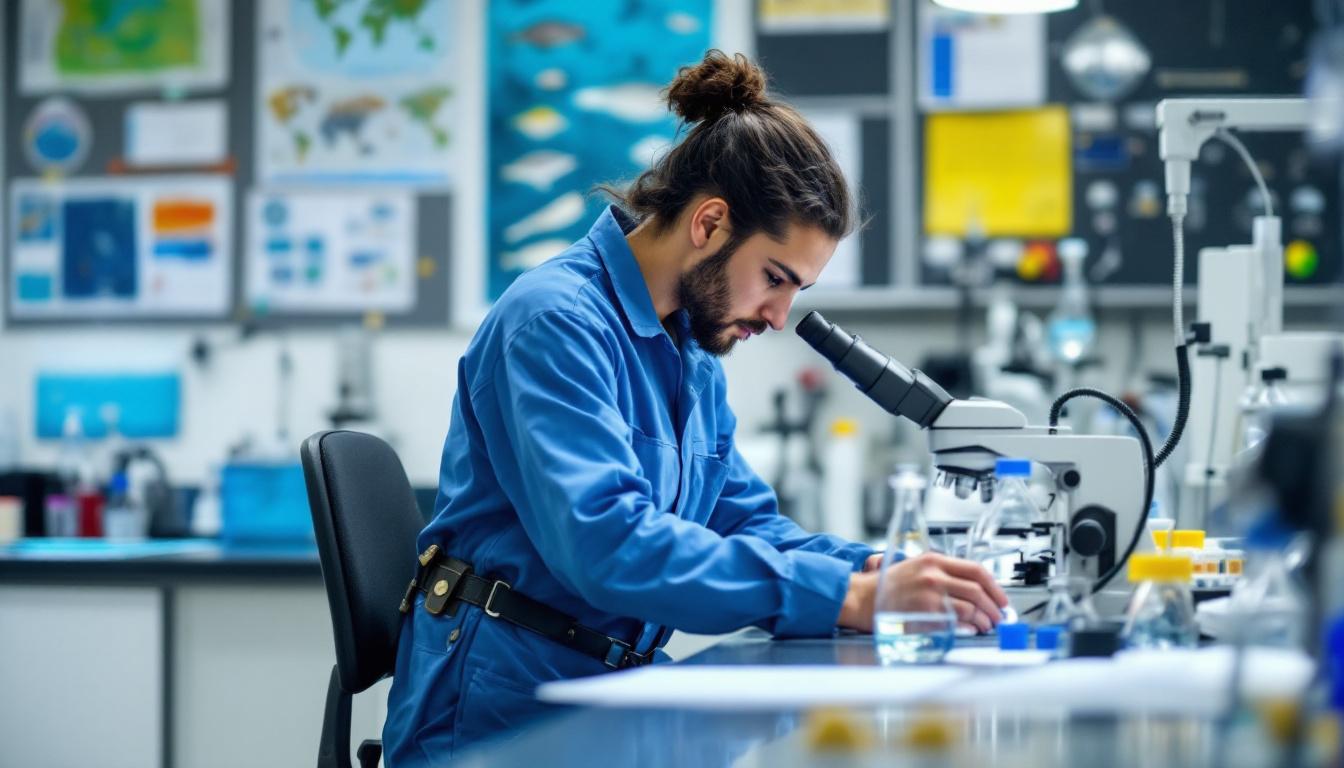
- Practical work includes field studies, laboratory experiments, and data collection in marine environments.
- Students work closely with faculty advisors to refine their research questions and methodologies.
- The program emphasizes original research that contributes to scientific understanding of marine systems.
- Regular seminars and presentations help students develop their scientific communication skills.
How to get in
Admission to a PhD program in Marine Sciences in the US requires a relevant master's degree or sometimes a bachelor's degree with exceptional qualifications. The process involves submitting academic transcripts, letters of recommendation, a statement of purpose, and often GRE scores.
- Applicants should have a strong background in biology, chemistry, geology, or related sciences.
- Research experience and a clear research interest in marine sciences improve chances of acceptance.
- Programs look for candidates capable of independent scientific work and critical thinking.
- Interviews or discussions with potential supervisors may be part of the selection process.
- English proficiency tests are required for international students.
Day to day
A typical year in a Marine Sciences PhD program balances coursework, research, and academic activities. Students spend much of their time conducting experiments, collecting data in the field, and analyzing results.
- Early years include attending classes and seminars to build foundational knowledge.
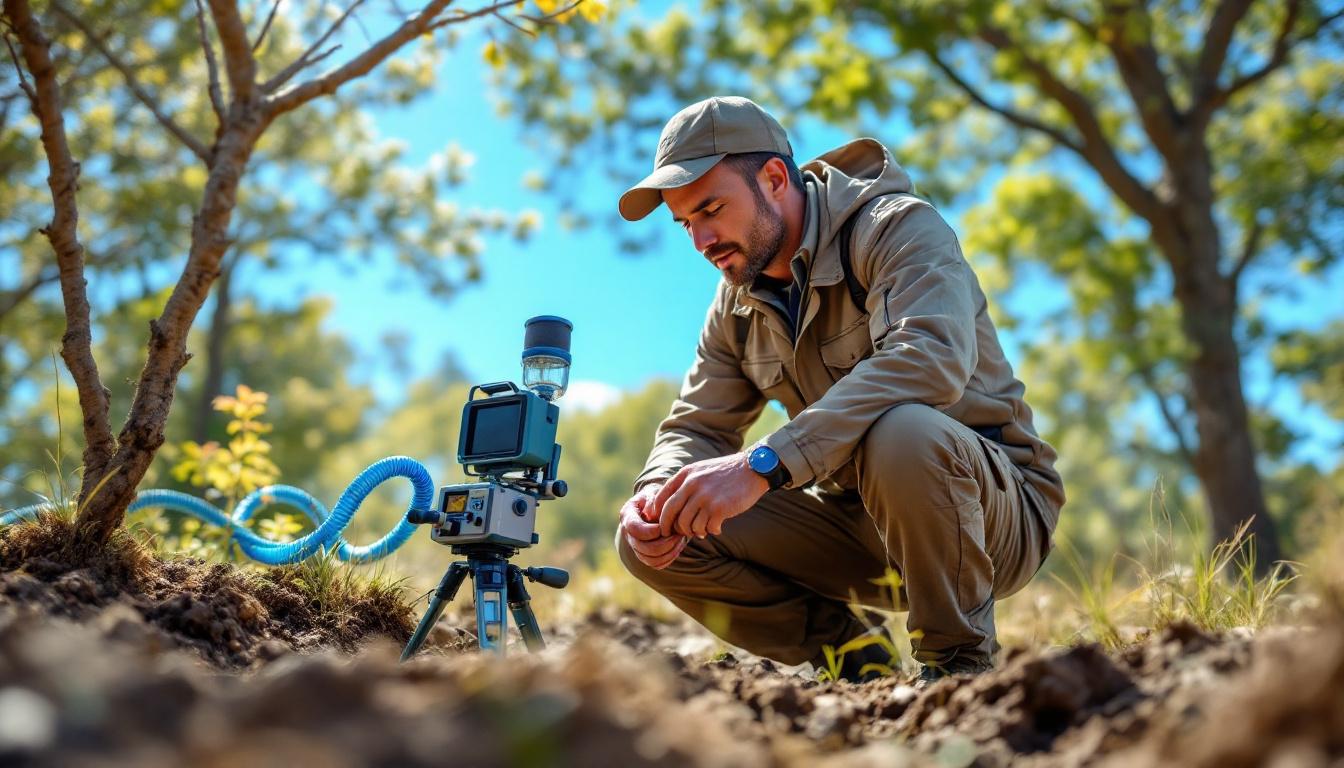
- Fieldwork can involve trips to coastal areas, research vessels, or marine labs.
- Students often participate in academic conferences to present their findings.
- Regular meetings with advisors help guide research progress.
- There is no formal alternance, but internships or collaborations with research centers may occur.
Careers this degree leads to
Graduates with a PhD in Marine Sciences find opportunities in various sectors that focus on marine research and conservation. The degree opens doors to academic positions and roles in public and private organizations.
- Many become university professors or researchers in marine science departments.
- Environmental agencies and governmental bodies hire PhD holders for policy and conservation work.
- Non-governmental organizations focused on marine protection value this expertise.
- Some graduates work in marine technology companies or consulting firms.
- The job market requires persistence, but the insertion is generally possible for motivated candidates.




Continuing your studies
After earning a PhD in Marine Sciences, further studies are rare but possible. Some graduates pursue postdoctoral research to deepen their expertise or shift their focus within marine sciences.
- Postdoctoral positions allow for specialized research and publication.
- Some may transition to interdisciplinary fields like environmental policy or marine technology.
- Others may seek additional training in teaching or science communication.
Where to study this degree (42)


















Liste des 42 établissements
- The University of Texas at AustinAustin
- Orange Coast CollegeCosta Mesa
- California State University, Monterey BaySeaside
- University of MaineOrono
- University of FloridaGainesville
- California Polytechnic State UniversitySan Luis Obispo
- Cape Fear Community CollegeWilmington
- Western Washington UniversityBellingham
- Hawaii Pacific UniversityHonolulu
- University of California-DavisDavis
- Florida Atlantic UniversityBoca Raton
- Stony Brook UniversityStony Brook
- College of Micronesia-FSMPohnpei
- College of the Marshall IslandsMajuro
- Texas A & M University-College StationCollege Station
- Texas A&M University – Corpus ChristiCorpus Christi
- The University of Texas Rio Grande ValleyEdinburg
- University of GeorgiaAthens
- University of Massachusetts DartmouthNorth Dartmouth
- San Francisco State UniversitySan Francisco
- University of Massachusetts BostonBoston
- Maine Maritime AcademyCastine
- Georgia Institute of Technology-Main CampusAtlanta
- Oregon State UniversityCorvallis
- San Jose State UniversitySan Jose
- Florida Keys Community CollegeKey West
- University of Southern CaliforniaLos Angeles
- American Samoa Community CollegePago Pago
- Rowan UniversityGlassboro
- University of Massachusetts LowellLowell
- University of South AlabamaMobile
- St. Mary's College of MarylandSt. Mary's City
- University of Massachusetts-AmherstAmherst
- University of Alaska AnchorageAnchorage
- Eckerd CollegeSaint Petersburg
- California State University, StanislausTurlock
- University of Rhode IslandKingston
- Lake Superior State UniversitySault Ste Marie
- University of Alaska FairbanksFairbanks
- Oregon State University CascadesBend
- University of North Carolina WilmingtonWilmington
- Nova Southeastern UniversityFort Lauderdale
Frequently asked questions
What prior education do I need to apply for a PhD in Marine Sciences?
You typically need a master's degree in a related scientific field, such as biology or environmental science. Some programs may accept exceptional candidates with a bachelor's degree and strong research experience.
How long does it take to complete this PhD?
The duration usually ranges from four to seven years, depending on the research topic and progress.
Is there any practical work involved in the program?
Yes, students engage in fieldwork, laboratory experiments, and data collection to support their research.
Can I work while doing my PhD?
PhD studies are demanding and generally full-time, so working alongside is challenging. Some students may find research assistantships or internships related to their field.
What careers can I pursue after this PhD?
Graduates often become researchers, university professors, environmental consultants, or work in marine conservation and policy.
Is the admission process competitive?
Yes, admission is very selective and based on academic records, research experience, and fit with faculty expertise.
Are there opportunities to study abroad during the PhD?
Some programs encourage collaborations or fieldwork abroad, but this depends on the research project and advisor.
Can I switch to another field after starting the PhD?
Changing fields during a PhD is possible but can be difficult; it usually requires adjusting research topics and may extend the duration.
