
Master's Degree in Natural Resources Conservation and Research
This master's degree trains students in conserving natural resources and conducting environmental research, leading to careers in ecology, resource management, and environmental consulting.
About
The Master's Degree in Natural Resources Conservation and Research is a graduate program designed for students interested in protecting the environment and managing natural resources sustainably. It suits those who want to deepen their knowledge of ecology, biology, and environmental science while developing research skills. This degree prepares graduates to work in various fields such as conservation agencies, research institutions, and environmental organizations. It also opens doors to roles that involve studying ecosystems, developing conservation plans, and advising on sustainable resource use.
- The program is aimed at students holding a bachelor's degree in environmental science, biology, or related fields.
- It combines scientific knowledge with practical research methods to address environmental challenges.
- Graduates can pursue careers in conservation, environmental consulting, or continue with doctoral studies.
- The degree typically lasts between one and two years, depending on the institution and study format.
- It is offered by universities across the United States with programs focused on natural resource management.
What you study
The curriculum covers a broad range of topics related to natural resource conservation and environmental research. Students start with foundational courses before moving to specialized subjects and research projects. Practical work is an important part of the program, often including field studies and laboratory work.
- Core courses include ecology, environmental policy, and research methods.
- Students learn about wildlife management, conservation biology, and natural resource economics.
- The program emphasizes data analysis and scientific communication skills.
- Many programs require a thesis or a significant research project to complete the degree.
- Fieldwork and internships provide hands-on experience in real-world conservation settings.
- The curriculum is designed to build expertise progressively, with advanced topics in the second year if applicable.
How to get in
Admission to this master's program requires a relevant bachelor's degree and a strong academic record. The process involves submitting transcripts, recommendation letters, and sometimes GRE scores. Candidates are expected to have a background in environmental or biological sciences.
- Applicants must hold a bachelor's degree in a related field such as biology or environmental science.
- Universities typically require academic transcripts and letters of recommendation.
- Some programs may request a statement of purpose explaining the applicant's interest and goals.
- GRE test scores might be needed depending on the institution.
- Relevant work or research experience can strengthen an application.
- Admissions committees look for candidates motivated by environmental issues and research.
Day to day
A typical year in this master's program combines coursework, research, and practical experience. Students attend lectures, participate in seminars, and engage in fieldwork. Time management is important to balance these activities.
- Students usually take several courses each semester, mixing lectures and lab sessions.
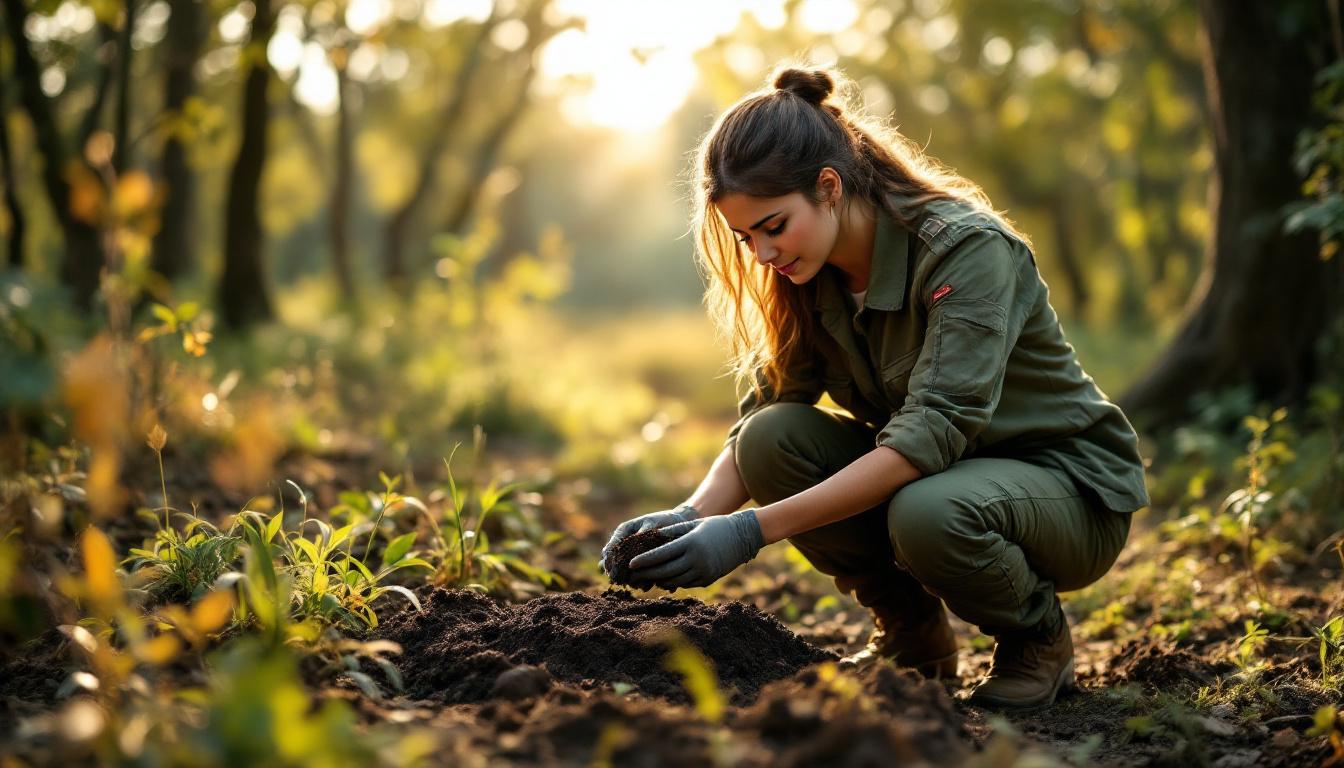
- Field trips and outdoor activities are common to study ecosystems and conservation techniques.
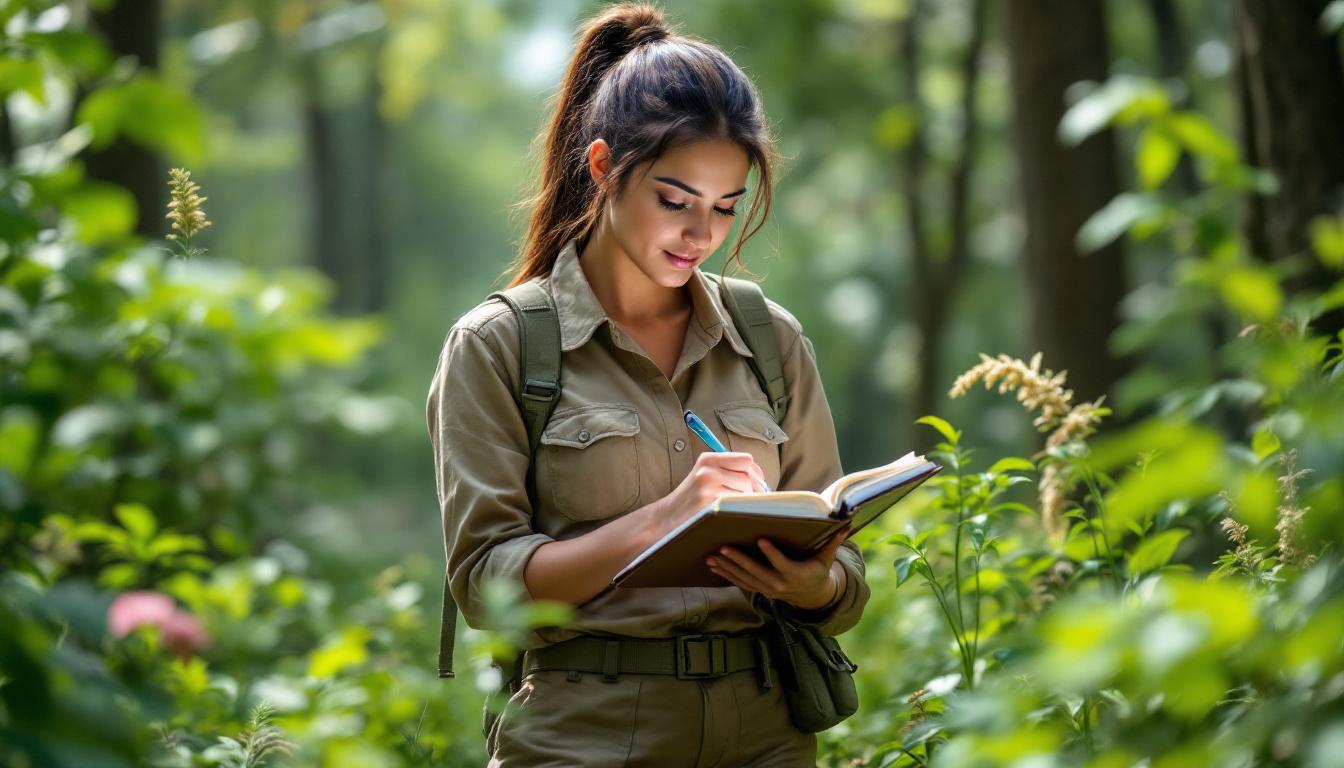
- Research projects or a thesis require independent work guided by faculty advisors.
- Internships with environmental organizations or agencies provide professional experience.
- Some programs offer part-time or online options, but full-time study is common.
- Students often collaborate on group projects and present their findings in seminars.
Careers this degree leads to
Graduates find opportunities in various sectors related to environmental protection and natural resource management. The job market values practical skills and research experience. Employment can be found in government, non-profits, and private companies.
- Common roles include environmental consultant, conservation scientist, and natural resource manager.
- Positions exist in government agencies focused on wildlife and land management.
- Environmental NGOs and research centers recruit graduates for project development and analysis.
- Some work in environmental education or policy advising.
- The job market varies by region but generally offers opportunities for those with relevant skills.
- Networking and internships help graduates enter the workforce effectively.



Continuing your studies
After completing this master's degree, students may choose to pursue doctoral studies or specialized certifications. This can enhance research capabilities or open new career paths. Some also consider shifting to related fields.
- Many graduates continue with a PhD in environmental science or ecology.
- Professional certifications in environmental management or sustainability are possible.
- Some pursue additional training in policy analysis or geographic information systems (GIS).
- Switching to related areas like urban planning or renewable energy can be considered.
Where to study this degree (200)




















Liste des 200 établissements
- Friends UniversityWichita
- Montclair State UniversityMontclair
- SUNY BrockportBrockport
- Tennessee Technological UniversityCookeville
- Middlebury CollegeMiddlebury
- Antioch UniversityYellow Springs
- Oregon Health & Science UniversityPortland
- SUNY OneontaOneonta
- Jackson State UniversityJackson
- University of Michigan-Ann ArborAnn Arbor
- Duke UniversityDurham
- Yale UniversityNew Haven
- Harvard UniversityCambridge
- University of PennsylvaniaPhiladelphia
- University of Colorado BoulderBoulder
- Arizona State University Digital ImmersionScottsdale
- Unity CollegeNew Gloucester
- University of California-Santa BarbaraSanta Barbara
- Colorado State University-Fort CollinsFort Collins
- University of OklahomaNorman
- North Carolina State UniversityRaleigh
- University of Washington-Seattle CampusSeattle
- Columbia UniversityNew York
- University of IdahoMoscow
- American UniversityWashington
- University of California-BerkeleyBerkeley
- Indiana University BloomingtonBloomington
- Auburn UniversityAuburn
- Arizona State University Campus ImmersionTempe
- Western Colorado UniversityGunnison
- Northeastern UniversityBoston
- University of Wisconsin–MadisonMadison
- Antioch University New EnglandKeene
- University of Virginia-Main CampusCharlottesville
- Cal Poly HumboldtArcata
- University of Illinois Urbana-ChampaignUrbana
- Loyola University ChicagoChicago
- University of GeorgiaAthens
- Ohio State University-Main CampusColumbus
- University of California-DavisDavis
- Middlebury Institute of International Studies at MontereyMonterey
- Louisiana State University and Agricultural & Mechanical CollegeBaton Rouge
- Stanford UniversityStanford
- University of Colorado Denver/Anschutz Medical CampusDenver
- University of Missouri-ColumbiaColumbia
- University of Illinois at SpringfieldSpringfield
- Clark UniversityWorcester
- Slippery Rock UniversitySlippery Rock
- University of San FranciscoSan Francisco
- The University of MontanaMissoula
- Western Washington UniversityBellingham
- Kansas State UniversityManhattan
- University of Southern CaliforniaLos Angeles
- University of ArizonaTucson
- University of Hawaii at HiloHilo
- University of Wisconsin–Green BayGreen Bay
- Georgetown UniversityWashington
- George Washington UniversityWashington
- California State University, Monterey BaySeaside
- Oregon State UniversityCorvallis
- University of California-IrvineIrvine
- Texas A & M University-College StationCollege Station
- The University of Texas at AustinAustin
- Webster UniversitySaint Louis
- Prescott CollegePrescott
- University of Massachusetts-AmherstAmherst
- California Polytechnic State UniversitySan Luis Obispo
- College of CharlestonCharleston
- Utah State UniversityLogan
- Miami University-OxfordOxford
- Nova Southeastern UniversityFort Lauderdale
- SUNY College of Environmental Science and ForestrySyracuse
- University of North Carolina WilmingtonWilmington
- University of WyomingLaramie
- California State University Los AngelesLos Angeles
- Tufts UniversityMedford
- University of ConnecticutStorrs
- University of Nebraska–LincolnLincoln
- University of South FloridaTampa
- California State University, FullertonFullerton
- University of West FloridaPensacola
- Christopher Newport UniversityNewport News
- University of the Virgin IslandsCharlotte Amalie
- George Mason UniversityFairfax
- The Evergreen State CollegeOlympia
- The University of Texas at San AntonioSan Antonio
- University of Tennessee at ChattanoogaChattanooga
- Oklahoma State University-Main CampusStillwater
- University of North Carolina at Chapel HillChapel Hill
- Florida Gulf Coast UniversityFort Myers
- Pace UniversityNew York
- Binghamton UniversityBinghamton
- Rutgers University-New BrunswickNew Brunswick
- Duquesne UniversityPittsburgh
- University of Minnesota-Twin CitiesMinneapolis
- Texas A&M University – Corpus ChristiCorpus Christi
- University of New HampshireDurham
- Washington State UniversityPullman
- University of MaineOrono
- University of Wisconsin–Stevens PointStevens Point
- University of Massachusetts LowellLowell
- University of VermontBurlington
- DePaul UniversityChicago
- University of New HavenWest Haven
- San Jose State UniversitySan Jose
- University of Nevada, RenoReno
- Bard CollegeAnnandale-On-Hudson
- Cornell UniversityIthaca
- California State University, Dominguez HillsCarson
- Florida International UniversityMiami
- Virginia Commonwealth UniversityRichmond
- Northern Arizona UniversityFlagstaff
- University of Houston - Clear LakeHouston
- Stockton UniversityGalloway
- University of California, MercedMerced
- Ohio University LancasterAthens
- University of Massachusetts BostonBoston
- Cleveland State UniversityCleveland
- Florida Atlantic UniversityBoca Raton
- Portland State UniversityPortland
- Texas State UniversitySan Marcos
- Southern California Institute of ArchitectureLos Angeles
- St. John's UniversityQueens
- Morgan State UniversityBaltimore
- Stephen F. Austin State UniversityNacogdoches
- New York UniversityNew York
- Southeast Missouri State UniversityCape Girardeau
- Kentucky State UniversityFrankfort
- Emory UniversityAtlanta
- California State Polytechnic UniversityPomona
- West Texas A&M UniversityCanyon
- Rice UniversityHouston
- University of California-Santa CruzSanta Cruz
- Drexel UniversityPhiladelphia
- Iowa State UniversityAmes
- Columbus State UniversityColumbus
- Southern Oregon UniversityAshland
- Southern Illinois University EdwardsvilleEdwardsville
- University of DelawareNewark
- South Dakota State UniversityBrookings
- Clarkson UniversityPotsdam
- Goshen CollegeGoshen
- The University of Texas at El PasoEl Paso
- University of North Carolina at GreensboroGreensboro
- The University of Texas at ArlingtonArlington
- University of Puerto Rico-Rio PiedrasSan Juan
- Ball State UniversityMuncie
- University of San DiegoSan Diego
- University at AlbanyAlbany
- University of OregonEugene
- University of GuamMangilao
- University of KentuckyLexington
- Tennessee State UniversityNashville
- California State University, San BernardinoSan Bernardino
- Mississippi State UniversityStarkville
- SIT Graduate InstituteBrattleboro
- Brigham Young UniversityProvo
- Central Washington UniversityEllensburg
- University of California, RiversideRiverside
- Rochester Institute of TechnologyRochester
- Inter American University of Puerto Rico-San GermanSan German
- University of Maryland-College ParkCollege Park
- West Virginia UniversityMorgantown
- Florida Agricultural and Mechanical UniversityTallahassee
- Point Park UniversityPittsburgh
- University of Michigan–DearbornDearborn
- Alaska Pacific UniversityAnchorage
- Universidad Ana G. Mendez-Gurabo CampusGurabo
- Shippensburg UniversityShippensburg
- Bemidji State UniversityBemidji
- Tarleton State UniversityStephenville
- Delaware State UniversityDover
- Texas Christian UniversityFort Worth
- Villanova UniversityVillanova
- Wichita State UniversityWichita
- University of ArkansasFayetteville
- University of North TexasDenton
- New Jersey Institute of TechnologyNewark
- University of Louisiana at LafayetteLafayette
- Arkansas State UniversityJonesboro
- Samford UniversityBirmingham
- University of ChicagoChicago
- College of Staten IslandStaten Island
- Ana G. Mendez UniversityOrlando
- Southern Illinois University CarbondaleCarbondale
- California State University, ChicoChico
- Idaho State UniversityPocatello
- Montana State UniversityBozeman
- Adelphi UniversityGarden City
- Lamar UniversityBeaumont
- Tuskegee UniversityTuskegee
- SUNY PlattsburghPlattsburgh
- Florida Institute of TechnologyMelbourne
- University of MiamiCoral Gables
- University of Southern MississippiHattiesburg
- Loyola Marymount UniversityLos Angeles
- Rowan UniversityGlassboro
- Minnesota State University, MankatoMankato
- Johns Hopkins UniversityBaltimore
- Fairleigh Dickinson UniversityTeaneck
Frequently asked questions
What prior knowledge is needed to apply for this master's degree?
Applicants should have a bachelor's degree in environmental science, biology, or a related field. Basic understanding of ecology and scientific research is expected.
Is this degree suitable for those wanting to work in field conservation?
Yes, the program includes fieldwork and practical training that prepare students for hands-on conservation roles.
Can I study this master's degree part-time or online?
Some universities offer part-time or online options, but full-time study is more common due to the practical components.
What kind of research projects are involved?
Students typically conduct projects related to ecosystem analysis, species conservation, or resource management under faculty supervision.
Does this degree lead directly to jobs in environmental consulting?
Graduates often find consulting roles, especially if they have completed internships or gained relevant experience during the program.
Are internships mandatory in this program?
Internships are commonly encouraged or required to provide practical experience, though requirements vary by institution.
What skills will I develop during this master's degree?
Students gain skills in ecological analysis, research methods, data interpretation, and communicating scientific information effectively.
Can I continue with doctoral studies after this degree?
Yes, many graduates pursue PhD programs to deepen their research expertise and specialize further.