Master's Degree in Fishing and Fisheries Sciences and Management
This master's degree trains students in sustainable fishing and fisheries management, preparing them for careers in marine resource conservation and industry regulation.
About
The Master's Degree in Fishing and Fisheries Sciences and Management is designed for students interested in marine biology, ecology, and sustainable resource management. It targets those who want to deepen their knowledge of aquatic ecosystems and the fishing industry. This degree enables graduates to work in roles related to fisheries management, conservation, and policy development.
- The program focuses on understanding fish populations, aquatic habitats, and human impacts on marine life.
- It is suitable for students with a background in biology, environmental science, or related fields.
- Graduates can pursue careers in government agencies, environmental organizations, or the fishing industry.
- The degree emphasizes both scientific knowledge and practical management skills.
- It addresses challenges such as overfishing, habitat degradation, and sustainable harvesting methods.
What you study
The curriculum covers a range of subjects that build students' expertise in fisheries science and management over one to two years. It combines theoretical courses with practical activities to prepare students for real-world challenges.
- Core courses include fish biology, aquatic ecology, fisheries economics, and resource management strategies.
- Students learn about population dynamics, ecosystem assessment, and the impact of fishing on biodiversity.
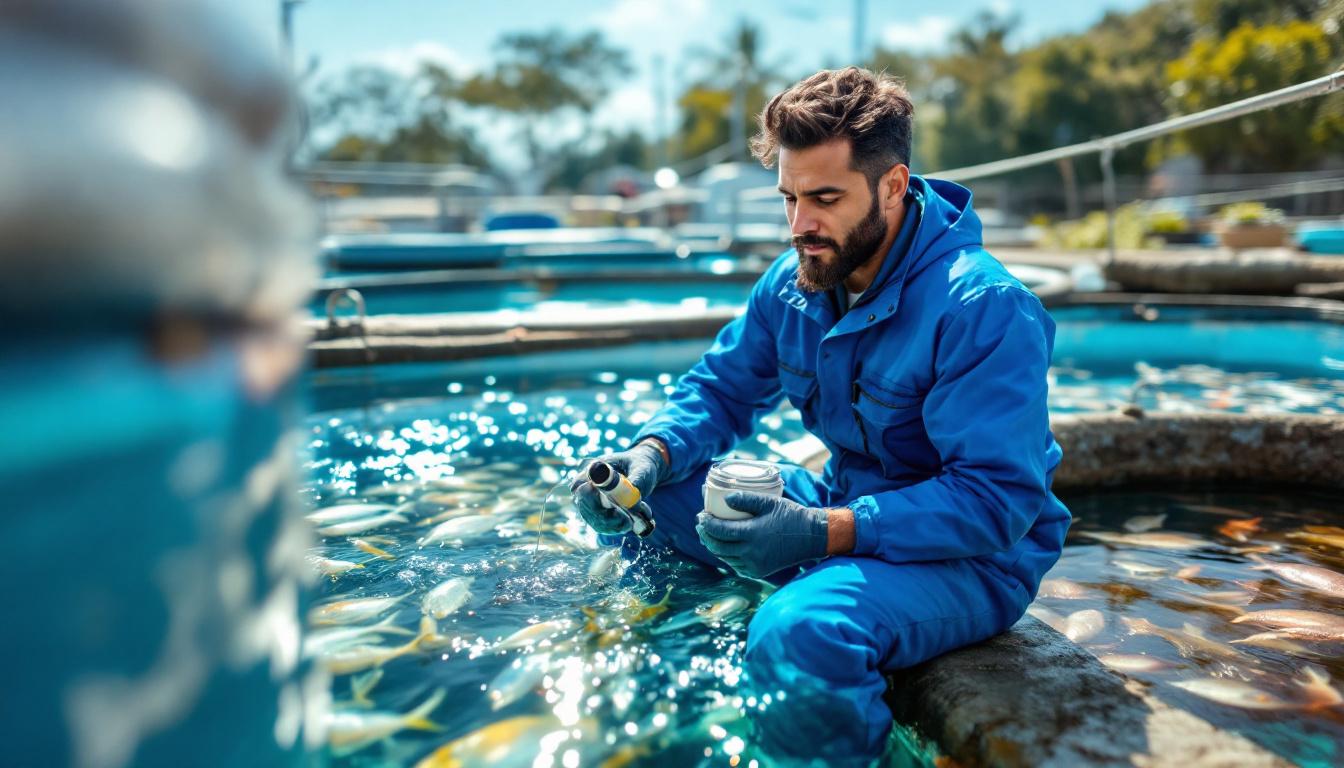
- Practical components involve fieldwork, data collection, and analysis in marine environments.
- Advanced topics may cover policy frameworks, international fisheries law, and sustainable development.
- The program often includes a research project or thesis to develop investigative skills.
- Some courses address the use of technology in fisheries monitoring and management.
How to get in
Admission to this master's degree in the United States requires a relevant bachelor's degree and follows a competitive application process. Candidates should have a strong foundation in science and environmental studies.
- Applicants typically hold a bachelor's degree in biology, marine science, environmental science, or a related field.
- The admission process usually involves submitting transcripts, letters of recommendation, and a statement of purpose.
- Some programs may require GRE scores or proof of research experience.
- Admissions committees look for candidates motivated by environmental conservation and resource management.
- Relevant internships or field experience can strengthen an application.
- English proficiency tests may be required for international students.
Day to day
The academic year includes coursework, practical sessions, and research activities, offering a balanced and immersive experience. Students engage in both classroom learning and hands-on projects.
- The schedule combines lectures, seminars, and laboratory or fieldwork.
- Students often participate in internships or cooperative projects with fisheries organizations.
- Research projects or theses are conducted under faculty supervision, often involving data collection in marine settings.
- Some programs offer opportunities for collaboration with government agencies or NGOs.
- Time management is important to balance coursework, research, and possible part-time work.
- Networking events and workshops may be part of the curriculum to connect students with professionals.
Careers this degree leads to
Graduates can find employment in various sectors related to marine resource management, environmental protection, and the fishing industry. The degree prepares students for roles that require scientific and managerial expertise.
- Potential jobs include fisheries biologist, resource manager, environmental consultant, and policy advisor.
- Government agencies responsible for natural resource regulation often hire these graduates.
- Nonprofit organizations focused on marine conservation are common employers.
- The commercial fishing industry may employ graduates for sustainable practice development.
- The job market values candidates who understand both science and policy aspects.
- Insertion into the workforce is generally facilitated by internships and practical experience gained during the degree.


Continuing your studies
After completing this master's degree, students may continue their studies or shift to related fields to enhance their expertise. Options exist for those interested in research or specialized management roles.
- Some graduates pursue doctoral studies in marine biology, ecology, or environmental science.
- Others may specialize further through certificates or additional master's degrees in environmental policy or oceanography.
- Changing to related disciplines such as environmental law or sustainable development is also possible.
- Professional development courses can support career advancement in fisheries management.
Where to study this degree (36)









Liste des 36 établissements
- University of Alaska FairbanksFairbanks
- University of Arkansas at Pine BluffPine Bluff
- University of Rio Grande and Rio Grande Community CollegeRio Grande
- Kentucky State UniversityFrankfort
- University of MiamiCoral Gables
- Oregon State UniversityCorvallis
- Purdue University West LafayetteWest Lafayette
- University of Wisconsin–Stevens PointStevens Point
- Northern Michigan UniversityMarquette
- Lake Superior State UniversitySault Ste Marie
- Texas A & M University-College StationCollege Station
- University of FloridaGainesville
- Bellingham Technical CollegeBellingham
- SUNY CobleskillCobleskill
- University of IdahoMoscow
- Cal Poly HumboldtArcata
- University of Rhode IslandKingston
- University of Alaska SoutheastJuneau
- Hocking CollegeNelsonville
- Coastal Pines Technical CollegeWaycross
- Mt. Hood Community CollegeGresham
- University of New EnglandBiddeford
- Virginia TechBlacksburg
- Paul Smith's CollegePaul Smiths
- Oregon State University CascadesBend
- Juniata CollegeHuntingdon
- Iowa State UniversityAmes
- South Dakota State UniversityBrookings
- Eastern Michigan UniversityYpsilanti
- University of Washington-Seattle CampusSeattle
- Grand Valley State UniversityAllendale
- University of Minnesota-Twin CitiesMinneapolis
- Bristol Community CollegeFall River
- University of Maryland Eastern ShorePrincess Anne
- Delaware State UniversityDover
- Utah State UniversityLogan
Frequently asked questions
What background is needed to apply for this master's degree?
Applicants should have a bachelor's degree in biology, marine science, environmental science, or a related field. A strong interest in marine ecosystems and resource management is important.
Are there practical experiences included in the program?
Yes, the program includes fieldwork, internships, and research projects to provide hands-on experience with fisheries and marine environments.
Can international students apply to this program?
International students can apply but may need to provide proof of English proficiency and meet specific admission requirements.
Is this degree suitable for someone wanting to work in policy?
Yes, the program covers environmental policy and management, preparing graduates for roles involving regulation and resource governance.
How long does the program typically last?
The master's degree usually takes one to two years to complete, depending on the program structure and whether it includes a thesis.
Does the program offer part-time or alternating study options?
Generally, this master's degree is full-time and does not include alternating work-study options.
What careers can I pursue after this degree?
Graduates can work as fisheries biologists, resource managers, environmental consultants, policy advisors, or in marine conservation roles.
Is prior research experience required for admission?
While not always mandatory, having research experience or relevant internships can strengthen your application.
