
Master's Degree in Ecology, Evolution, Systematics, and Population Biology
This master's degree teaches advanced concepts in ecology, evolution, systematics, and population biology, preparing students for research, conservation, and environmental careers in the US.
About
This master's degree focuses on the study of living organisms, their evolution, classification, and population dynamics. It is designed for students who have completed a bachelor's degree in biology or related fields and want to deepen their understanding of ecological and evolutionary processes. The program prepares students for careers in scientific research, environmental management, conservation, and education.
- The degree typically lasts between one and two years and leads to a master's level qualification.
- It is aimed at students interested in understanding how species evolve and interact within ecosystems.
- Graduates can work in research institutes, environmental agencies, or pursue doctoral studies.
- The program develops skills in data analysis, fieldwork, and scientific communication.
- It provides a foundation for roles in biodiversity conservation and natural resource management.
What you study
The curriculum combines theoretical courses with practical work to build a comprehensive understanding of ecology and evolution. Students progress from foundational topics to specialized subjects over the course of the program.
- Early courses cover ecological principles, evolutionary biology, and systematics.
- Advanced modules address population biology, genetics, and statistical methods used in ecological research.
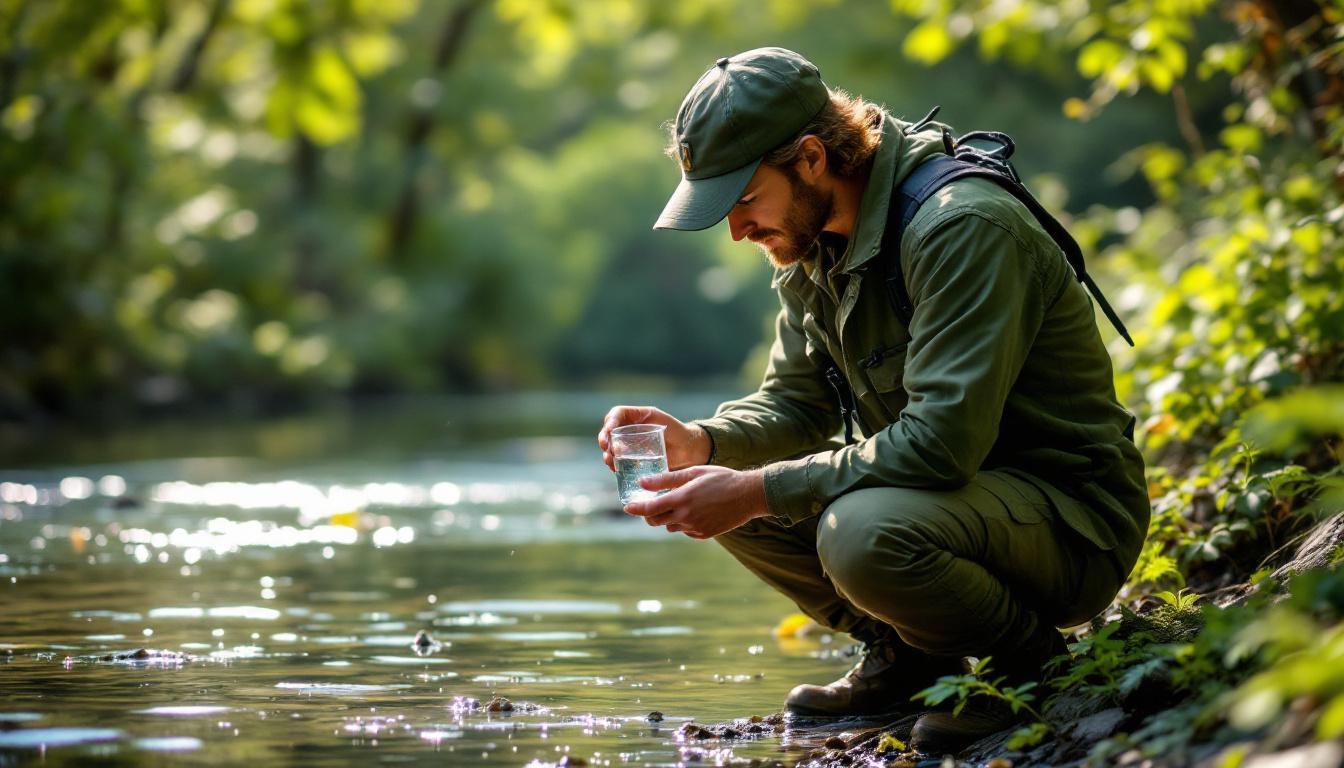
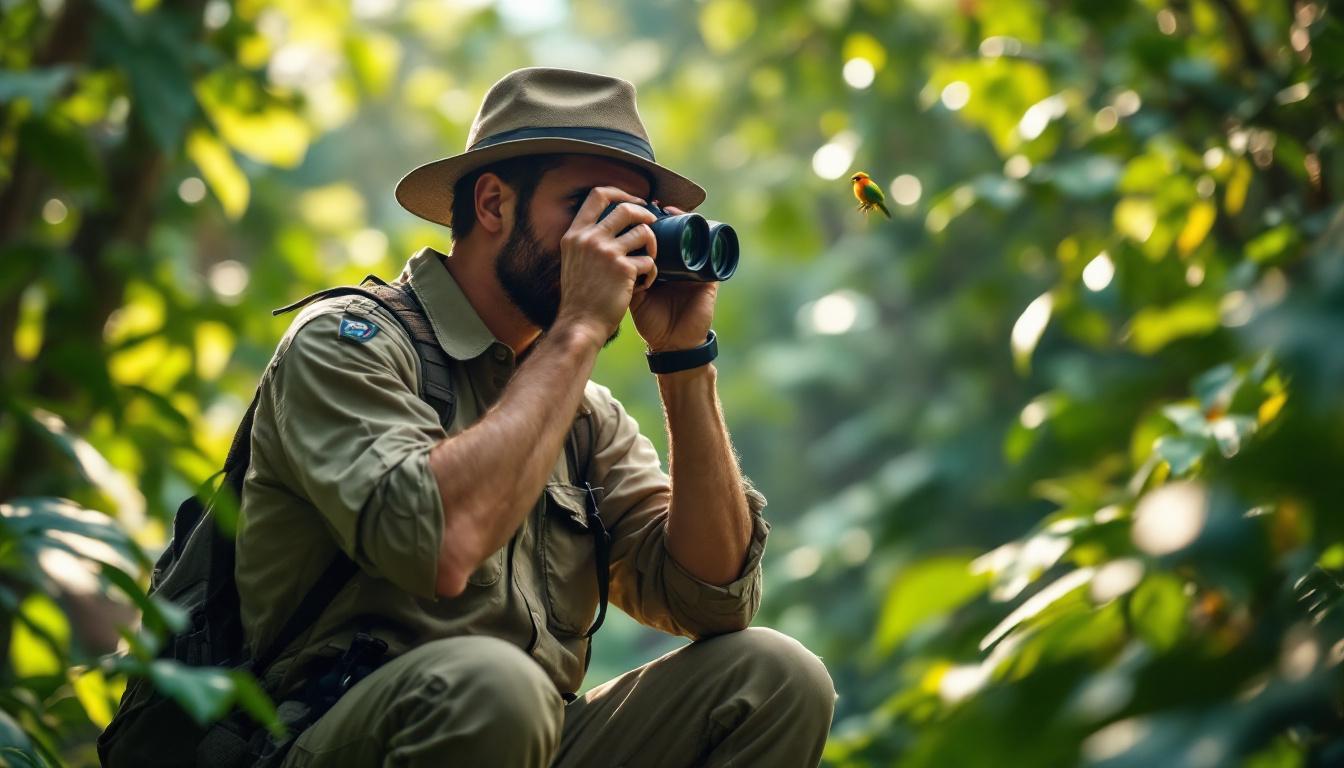
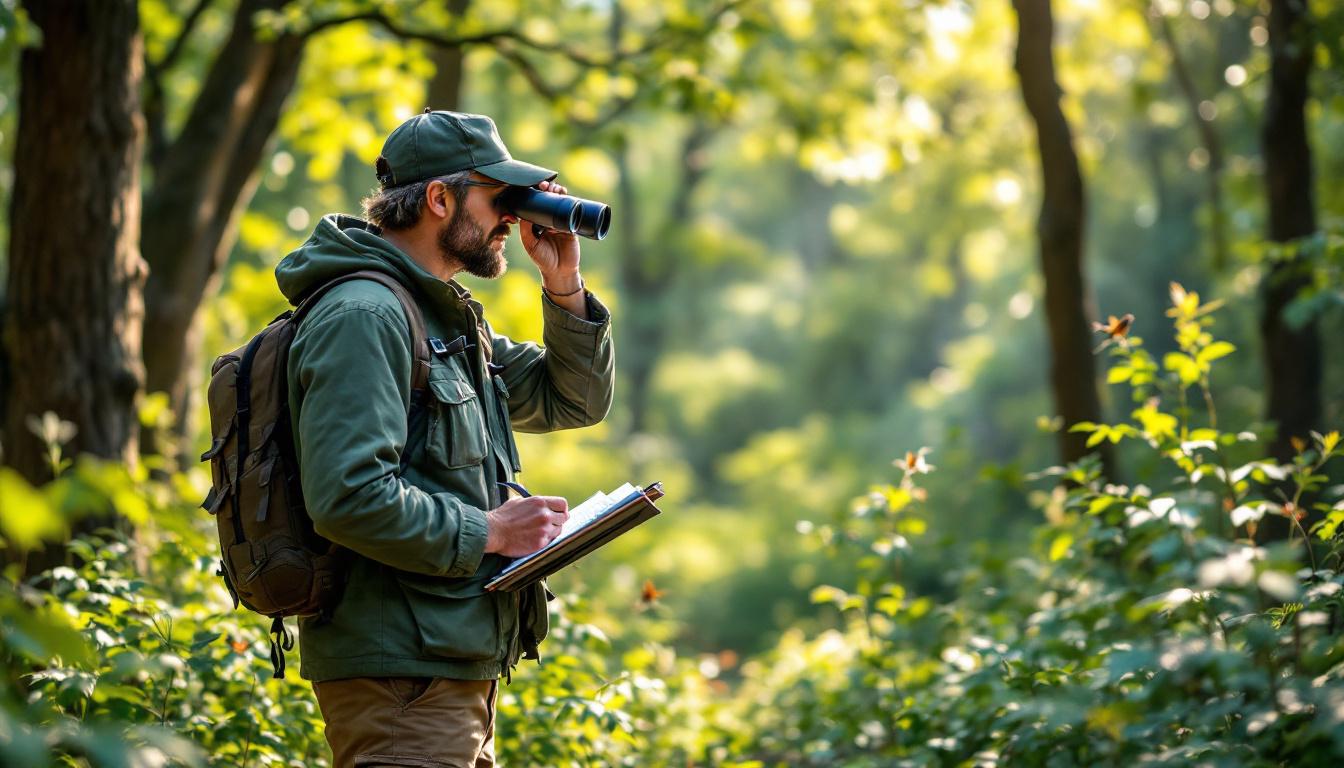
- Students engage in fieldwork to observe natural populations and ecosystems firsthand.
- Laboratory sessions teach techniques for analyzing biological samples and genetic data.
- The program often includes a research project or thesis, allowing students to apply their knowledge to real scientific questions.
- Practical experience is emphasized to prepare students for professional environments.
How to get in
Admission to this master's program in the US requires a relevant bachelor's degree and follows a competitive selection process. Applicants must demonstrate academic ability and motivation for advanced study in ecology and related fields.
- Applicants typically hold a bachelor's degree in biology, environmental science, or a related discipline.
- They must submit academic transcripts, letters of recommendation, and a statement of purpose explaining their interest.
- Some programs may require GRE scores or proof of English proficiency for international students.
- Experience in research or fieldwork can strengthen an application.
- Admissions committees look for candidates with strong analytical skills and a commitment to environmental issues.
Day to day
The academic year combines lectures, practical sessions, and independent research. Students balance coursework with hands-on activities and project work throughout the program.
- Regular seminars and lectures provide theoretical knowledge and current scientific insights.
- Students spend time on field trips to study ecosystems and collect data.
- Laboratory work involves analyzing samples and using software for data interpretation.
- A significant part of the year is dedicated to a research thesis under faculty supervision.
- Internships or collaborations with environmental organizations may be available but are not always mandatory.
Careers this degree leads to
Graduates can find employment in various sectors related to ecology, conservation, and environmental science. The degree supports entry into research roles and applied environmental work.
- Possible careers include ecologist, conservation biologist, and environmental consultant.
- Jobs are available in government agencies, non-profits, universities, and private companies.
- The degree also prepares students for roles in environmental impact assessment and natural resource management.
- Employment often involves fieldwork, data analysis, and report writing.
- Insertion into the job market is generally facilitated by the program's practical training and research experience.



Careers after further study
These careers require a higher level of study than this degree.

Continuing your studies
After completing this master's degree, students may choose to continue their studies or shift to related fields. The program offers a solid base for further academic or professional development.
- Many graduates pursue a PhD in ecology, evolutionary biology, or related disciplines.
- Others may enter specialized training in environmental policy or management.
- Some choose to transition into teaching or science communication roles.
Where to study this degree (155)




















Liste des 155 établissements
- Murray State UniversityMurray
- Missouri University of Science and TechnologyRolla
- University of Central FloridaOrlando
- San Francisco State UniversitySan Francisco
- Boston UniversityBoston
- Columbia UniversityNew York
- Emory UniversityAtlanta
- University of MiamiCoral Gables
- The University of Texas Health Science Center at HoustonHouston
- Harvard UniversityCambridge
- Tufts UniversityMedford
- Yale UniversityNew Haven
- Johns Hopkins UniversityBaltimore
- Texas A & M University-College StationCollege Station
- University of Michigan-Ann ArborAnn Arbor
- George Washington UniversityWashington
- Drexel UniversityPhiladelphia
- Icahn School of Medicine at Mount SinaiNew York
- University of California-Los AngelesLos Angeles
- University of Washington-Seattle CampusSeattle
- University of California-San DiegoLa Jolla
- University of Minnesota-Twin CitiesMinneapolis
- University of Pittsburgh-Pittsburgh CampusPittsburgh
- Unity CollegeNew Gloucester
- Nova Southeastern UniversityFort Lauderdale
- Ohio State University-Main CampusColumbus
- Tulane UniversityNew Orleans
- Saint Louis UniversitySt Louis
- University of PennsylvaniaPhiladelphia
- University of West AlabamaLivingston
- Temple UniversityPhiladelphia
- Stanford UniversityStanford
- University of IowaIowa City
- Northeastern UniversityBoston
- Utah State UniversityLogan
- University of DelawareNewark
- Texas State UniversitySan Marcos
- Coastal Carolina UniversityConway
- University of Massachusetts-AmherstAmherst
- University of California-DavisDavis
- University of California-IrvineIrvine
- The University of Texas Medical Branch at GalvestonGalveston
- William & MaryWilliamsburg
- University of ToledoToledo
- University of Illinois Urbana-ChampaignUrbana
- University of South Carolina-ColumbiaColumbia
- SUNY College of Environmental Science and ForestrySyracuse
- University of LouisvilleLouisville
- University of Maryland, BaltimoreBaltimore
- College of CharlestonCharleston
- University of GeorgiaAthens
- University of Wisconsin–StoutMenomonie
- Kent State University at KentKent
- Jacksonville UniversityJacksonville
- University of North Texas Health Science CenterFort Worth
- Medical University of South CarolinaCharleston
- Loma Linda UniversityLoma Linda
- North Dakota State UniversityFargo
- University of ProvidenceGreat Falls
- Towson UniversityTowson
- Duke UniversityDurham
- Hood CollegeFrederick
- University of Southern MississippiHattiesburg
- University of California-Santa BarbaraSanta Barbara
- Colorado State University-Fort CollinsFort Collins
- Oklahoma State University-Main CampusStillwater
- University of Puerto Rico-MayaguezMayaguez
- New York UniversityNew York
- Case Western Reserve UniversityCleveland
- West Virginia UniversityMorgantown
- Florida Institute of TechnologyMelbourne
- University of North Carolina WilmingtonWilmington
- University of FloridaGainesville
- Texas A&M University – Corpus ChristiCorpus Christi
- Claremont Graduate UniversityClaremont
- Central Michigan UniversityMount Pleasant
- University at BuffaloBuffalo
- University of CincinnatiCincinnati
- University of California-Santa CruzSanta Cruz
- University of Maryland-Baltimore CountyBaltimore
- Michigan Technological UniversityHoughton
- Michigan State UniversityEast Lansing
- University of ChicagoChicago
- Western Colorado UniversityGunnison
- Inter American University of Puerto Rico-BayamonBayamon
- University of ConnecticutStorrs
- New York Medical CollegeValhalla
- Brigham Young UniversityProvo
- University of South FloridaTampa
- Weill Cornell MedicineNew York
- University of Alaska FairbanksFairbanks
- University of Nevada, RenoReno
- Troy UniversityTroy
- Eastern Michigan UniversityYpsilanti
- University of New EnglandBiddeford
- The University of Tennessee Health Science CenterMemphis
- Nicholls State UniversityThibodaux
- University of KansasLawrence
- Princeton UniversityPrinceton
- SUNY BrockportBrockport
- Sacred Heart UniversityFairfield
- Savannah State UniversitySavannah
- University of Puerto Rico-Medical SciencesSan Juan
- University of RochesterRochester
- Baylor UniversityWaco
- Pennsylvania State University-Main CampusUniversity Park
- University at AlbanyAlbany
- University of North Carolina at Chapel HillChapel Hill
- Rutgers University-New BrunswickNew Brunswick
- Western Connecticut State UniversityDanbury
- Regis UniversityDenver
- University of Colorado BoulderBoulder
- Georgetown UniversityWashington
- Rosalind Franklin University of Medicine and ScienceNorth Chicago
- Buffalo State UniversityBuffalo
- The University of MontanaMissoula
- University of Hawaiʻi at MānoaHonolulu
- Montana Technological UniversityButte
- Frostburg State UniversityFrostburg
- Inter American University of Puerto Rico-AguadillaAguadilla
- University of ArizonaTucson
- University of Tennessee at KnoxvilleKnoxville
- Montclair State UniversityMontclair
- University of Wisconsin–MadisonMadison
- Marshall UniversityHuntington
- Iowa State UniversityAmes
- Governors State UniversityUniversity Park
- Brown UniversityProvidence
- Union UniversityJackson
- University of Southern CaliforniaLos Angeles
- University of California, RiversideRiverside
- Arizona State University Campus ImmersionTempe
- Rice UniversityHouston
- University of California-BerkeleyBerkeley
- Dartmouth CollegeHanover
- University of Maryland Eastern ShorePrincess Anne
- San Diego State UniversitySan Diego
- University of AlabamaTuscaloosa
- Hofstra UniversityHempstead
- University of San DiegoSan Diego
- The University of Texas at AustinAustin
- Washington University in St LouisSaint Louis
- University of California-San FranciscoSan Francisco
- University of Colorado Denver/Anschutz Medical CampusDenver
- Lehigh UniversityBethlehem
- Valparaiso UniversityValparaiso
- University of New HavenWest Haven
- Slippery Rock UniversitySlippery Rock
- University of Rhode IslandKingston
- University of MemphisMemphis
- Lesley UniversityCambridge
- University of Massachusetts LowellLowell
- Cornell UniversityIthaca
- Indiana University BloomingtonBloomington
- University of Illinois ChicagoChicago
Frequently asked questions
What background do I need to apply for this master's degree?
You generally need a bachelor's degree in biology, environmental science, or a related field. Having some research or field experience can also help your application.
How long does the program usually take?
The program typically lasts between one and two years, depending on the university and whether you study full-time or part-time.
Are there opportunities for practical experience during the degree?
Yes, the program includes fieldwork and laboratory sessions. Many students also complete a research project or thesis to gain hands-on experience.
Can I work while studying this master's degree?
While some students may work part-time, the program is intensive and requires significant time for classes, research, and fieldwork.
Is this degree recognized internationally?
Yes, a master's degree from a US university in this field is generally recognized internationally, especially for research and academic careers.
What careers can I pursue after graduation?
Graduates often work as ecologists, conservation biologists, environmental consultants, or continue with doctoral studies in related areas.
Do I need to take standardized tests to apply?
Some programs may require GRE scores or proof of English proficiency, especially for international students, but requirements vary by university.
Is it possible to continue studying after this master's degree?
Yes, many graduates pursue PhD programs or specialized master's degrees in environmental policy, management, or science communication.