Master's Degree in Botany/Plant Biology
This master's degree in Botany/Plant Biology teaches advanced plant science concepts and research skills, preparing students for careers in research, conservation, and environmental sectors.
About
The Master's Degree in Botany/Plant Biology is a graduate program in the United States designed for students who want to deepen their knowledge of plants and their biology. It is intended for those who have completed a bachelor's degree in biology or a related field and wish to specialize further. This degree allows students to develop expertise in plant physiology, ecology, genetics, and taxonomy, among other areas. Graduates can pursue careers in scientific research, environmental consulting, conservation organizations, or education. The program is suitable for students interested in understanding plant life at a detailed level and applying this knowledge in practical or academic settings.
- The degree typically lasts 1 to 2 years and leads to a master's level qualification (EQF 7).
- It is aimed at students with a bachelor's degree in biology or related sciences.
- The program prepares students for research roles or specialized jobs in plant science.
- It offers knowledge applicable to environmental protection and agricultural sectors.
- Graduates can work in academia, government agencies, or private companies.
What you study
The curriculum of this master's degree covers a broad range of topics related to plant biology and botany, combining theoretical knowledge with practical experience. Students start with advanced courses in plant physiology, genetics, and ecology, which build on their undergraduate studies. As they progress, they engage in specialized subjects such as plant taxonomy, molecular biology, and environmental plant science. The program typically includes laboratory work, field studies, and research projects to apply theoretical concepts in real situations.
- Core courses include plant physiology, genetics, and ecology.
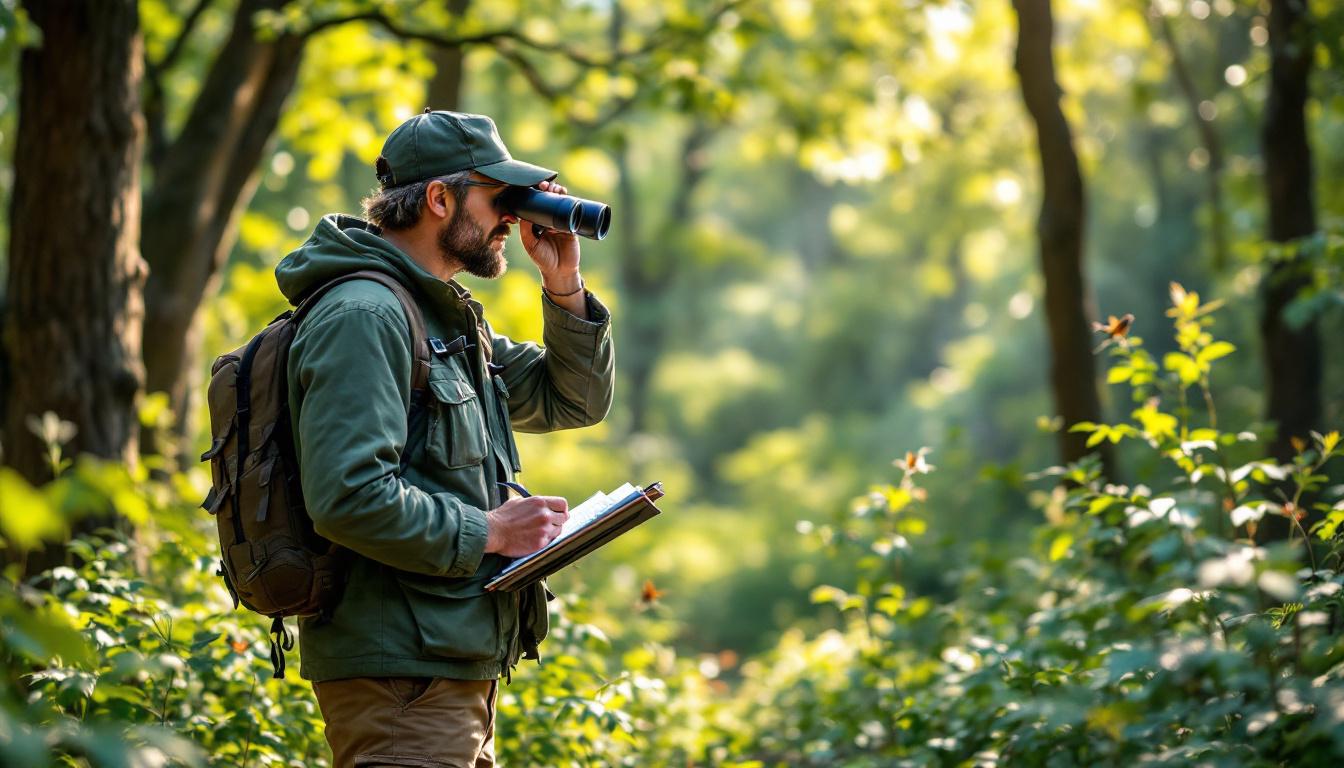
- Students participate in laboratory experiments and fieldwork to gain hands-on experience.
- The program often requires a research thesis or project in the second year.
- Elective courses allow specialization in areas like plant molecular biology or conservation biology.
- The balance between theory and practice helps prepare for both academic and professional paths.
How to get in
Admission to a master's program in Botany/Plant Biology in the US requires a completed bachelor's degree, usually in biology or a related field. Candidates must submit transcripts, letters of recommendation, and often a statement of purpose explaining their interest and goals. Some programs may require GRE scores, although this is becoming less common. Admissions committees look for students with a strong academic background and motivation for research or applied plant sciences.
- A bachelor's degree in biology or a related discipline is mandatory.
- Applicants must provide academic transcripts and recommendation letters.
- Some universities ask for a statement of purpose or research proposal.
- GRE tests may be required depending on the institution.
- Relevant experience or internships can strengthen the application.
Day to day
The typical academic year for this master's degree combines coursework, research, and practical activities. Students attend lectures and seminars, work in labs, and participate in field trips to study plants in their natural environments. A significant part of the program involves conducting independent research, often culminating in a thesis. Internships or collaborations with research centers may be available but are not always mandatory.
- Students follow a schedule mixing lectures, labs, and fieldwork.
- Research projects take up a large part of the second year.
- Some programs offer internships or work placements in research institutions.
- Time management is essential to balance practical and theoretical work.
- Students often collaborate with professors and peers on scientific studies.
Careers this degree leads to
Graduates with this master's degree can access various careers related to plant sciences. They may work as research assistants, environmental consultants, or specialists in conservation organizations. The degree also opens doors to teaching roles or further academic research. The job market varies by region but generally values candidates with strong research and analytical skills. Employment often involves working in laboratories, natural parks, agricultural companies, or government agencies.
- Possible jobs include plant biologist, research scientist, and environmental consultant.
- Employers range from universities to government bodies and private companies.
- The degree supports careers in conservation and agriculture.
- Job opportunities depend on local demand and specific skills.
- The transition to work is generally supported by research experience gained during the program.





Careers after further study
These careers require a higher level of study than this degree.

Continuing your studies
After completing this master's degree, students may choose to continue their studies with a PhD, especially if they want to pursue a career in research or academia. Other options include specialized certifications or diplomas in environmental management or biotechnology. Some graduates may also reorient towards related fields such as ecology, agriculture, or environmental policy depending on their interests and career goals.
- Many graduates pursue a PhD in plant sciences or related fields.
- Specialized diplomas in environmental management are possible.
- Some may shift towards agronomy or ecology studies.
- Further education can enhance career prospects in research or industry.
Where to study this degree (88)










Liste des 88 établissements
- San Francisco State UniversitySan Francisco
- California State University, ChicoChico
- University of Hawaii at HiloHilo
- University of New HampshireDurham
- Virginia TechBlacksburg
- California State University, FullertonFullerton
- North Dakota State UniversityFargo
- Oregon State UniversityCorvallis
- North Carolina State UniversityRaleigh
- Cal Poly HumboldtArcata
- Mississippi State UniversityStarkville
- Ohio University LancasterAthens
- University of California-BerkeleyBerkeley
- University of Wisconsin–MadisonMadison
- Miami University-OxfordOxford
- Northwestern UniversityEvanston
- University of Minnesota-Twin CitiesMinneapolis
- University of FloridaGainesville
- University of Hawaiʻi at MānoaHonolulu
- University of GeorgiaAthens
- University of California, RiversideRiverside
- University of California-DavisDavis
- Purdue University West LafayetteWest Lafayette
- University of Washington-Seattle CampusSeattle
- University of Nebraska–LincolnLincoln
- University of MaineOrono
- Rutgers University-New BrunswickNew Brunswick
- Texas A & M University-College StationCollege Station
- University of VermontBurlington
- Michigan State UniversityEast Lansing
- Utah Valley UniversityOrem
- Connecticut CollegeNew London
- Washington University in St LouisSaint Louis
- Cornell UniversityIthaca
- Washington State UniversityPullman
- Oklahoma State University-Main CampusStillwater
- Kent State University at KentKent
- Iowa State UniversityAmes
- Ohio State University-Main CampusColumbus
- Southern Illinois University CarbondaleCarbondale
- University of OklahomaNorman
- New Mexico State UniversityLas Cruces
- University of Illinois Urbana-ChampaignUrbana
- University of Michigan-Ann ArborAnn Arbor
- Louisiana State University and Agricultural & Mechanical CollegeBaton Rouge
- Pennsylvania State University-Main CampusUniversity Park
- Weber State UniversityOgden
- University of Massachusetts-AmherstAmherst
- Kansas State UniversityManhattan
- Ohio Wesleyan UniversityDelaware
- University of WyomingLaramie
- The University of Texas at AustinAustin
- University of KentuckyLexington
- Alamance Community CollegeGraham
- Claremont Graduate UniversityClaremont
- Brigham Young UniversityProvo
- University of ArizonaTucson
- Oregon State University CascadesBend
- Montana State UniversityBozeman
- University of Missouri–St. LouisSaint Louis
- University of ArkansasFayetteville
- Arizona State University Campus ImmersionTempe
- Ohio University ChillicotheChillicothe
- South Dakota State UniversityBrookings
- Ohio University-Eastern CampusSaint Clairsville
- Ohio University-Lancaster CampusLancaster
- Ohio University ZanesvilleZanesville
- Union UniversityJackson
- Hampshire CollegeAmherst
- The University of MontanaMissoula
- North Idaho CollegeCoeur d'Alene
- Western New Mexico UniversitySilver City
- Utah State UniversityLogan
- California State Polytechnic UniversityPomona
- Central Washington UniversityEllensburg
- University of California-IrvineIrvine
- Ohio University SouthernIronton
- Colorado State University-Fort CollinsFort Collins
- Frostburg State UniversityFrostburg
- Western Washington UniversityBellingham
- University of IdahoMoscow
- Idaho State UniversityPocatello
- Snow CollegeEphraim
- Southern Oregon UniversityAshland
- University of KansasLawrence
- Cerritos CollegeNorwalk
- Bennington CollegeBennington
- University of Nevada, Las VegasLas Vegas
Frequently asked questions
What background do I need to apply for this master's degree?
You typically need a bachelor's degree in biology or a related field. Strong academic performance and some experience in plant sciences can help your application.
Is research experience important during the program?
Yes, research is a key part of the curriculum. You will conduct experiments and often complete a thesis project to develop practical skills.
Can I work while studying this master's degree?
The program is demanding, combining coursework and research. Part-time work may be possible but should not interfere with your studies.
Are internships mandatory in this program?
Internships are not always required but can be available. They provide valuable practical experience and networking opportunities.
What careers can I pursue after graduation?
Graduates can work in research, environmental consulting, conservation, education, or government agencies related to plant sciences.
Is it possible to continue studying after this master's degree?
Yes, many students pursue a PhD to specialize further or enter academic research. Other options include specialized diplomas in related fields.
How selective is the admission process?
Admission is selective, with universities looking for strong academic records and motivation in plant biology.
Does this degree include practical fieldwork?
Yes, practical work such as laboratory experiments and field studies is an important part of the curriculum.
