Certificate in Marine Transportation
This certificate teaches navigation and ship operations, preparing students for entry-level roles in marine transportation and maritime industries in the US.
About
The Certificate in Marine Transportation is a postsecondary program designed for individuals interested in working on commercial vessels and ships. It is suitable for students who want practical skills in navigation, ship handling, and maritime safety without pursuing a full degree. This certificate prepares learners to work in various roles related to marine transportation, such as deck officers or maritime support staff. It provides foundational knowledge about ship operations and maritime regulations, helping students enter the maritime workforce quickly.
- The program typically lasts under two years, allowing for a focused study.
- It is aimed at those who have completed high school or equivalent education and want to specialize in maritime careers.
- Graduates can pursue entry-level maritime jobs or continue studies in related fields.
- The certificate covers essential maritime skills but does not lead directly to higher officer licenses.
- It is offered by maritime academies or community colleges in the United States.
What you study
The curriculum focuses on practical and theoretical knowledge essential for marine transportation. Students learn about ship navigation, maritime laws, safety procedures, and basic ship maintenance. The program balances classroom learning with hands-on training to develop real-world skills.
- Courses include navigation techniques and the use of maritime instruments.
- Students study ship operations such as cargo handling and vessel communication.
- Maritime safety and emergency response are key components throughout the program.
- Training often involves simulators and practical exercises to mimic real shipboard conditions.
- The program progresses from basic maritime concepts to more complex operational skills.
- Some programs may include short practical sea experiences or internships to reinforce learning.
How to get in
Admission to the Certificate in Marine Transportation usually requires a high school diploma or equivalent. Candidates must demonstrate an interest in maritime careers and basic skills in math and science. The admission process varies by institution but generally involves submitting an application and meeting health and physical fitness standards.
- Applicants need a high school diploma or GED for eligibility.
- Some schools may require a medical examination to ensure fitness for shipboard work.
- Basic knowledge in math and English is expected for successful study.
- Admission procedures include completing an application and sometimes an interview.
- Institutions may look for candidates motivated by practical maritime careers.
Day to day
A typical year in this program combines classroom lessons with practical training. Students follow a structured schedule that includes lectures, simulator sessions, and sometimes fieldwork or short sea trips. The workload is focused on mastering operational skills and maritime knowledge.
- Students attend regular classes on navigation and maritime regulations.
- Practical sessions use simulators to practice ship handling and emergency procedures.
- Some programs include internships or sea time to gain real experience.
- The pace is intensive but designed to prepare students quickly for maritime roles.
- Group projects and teamwork are common to simulate shipboard collaboration.
Careers this degree leads to
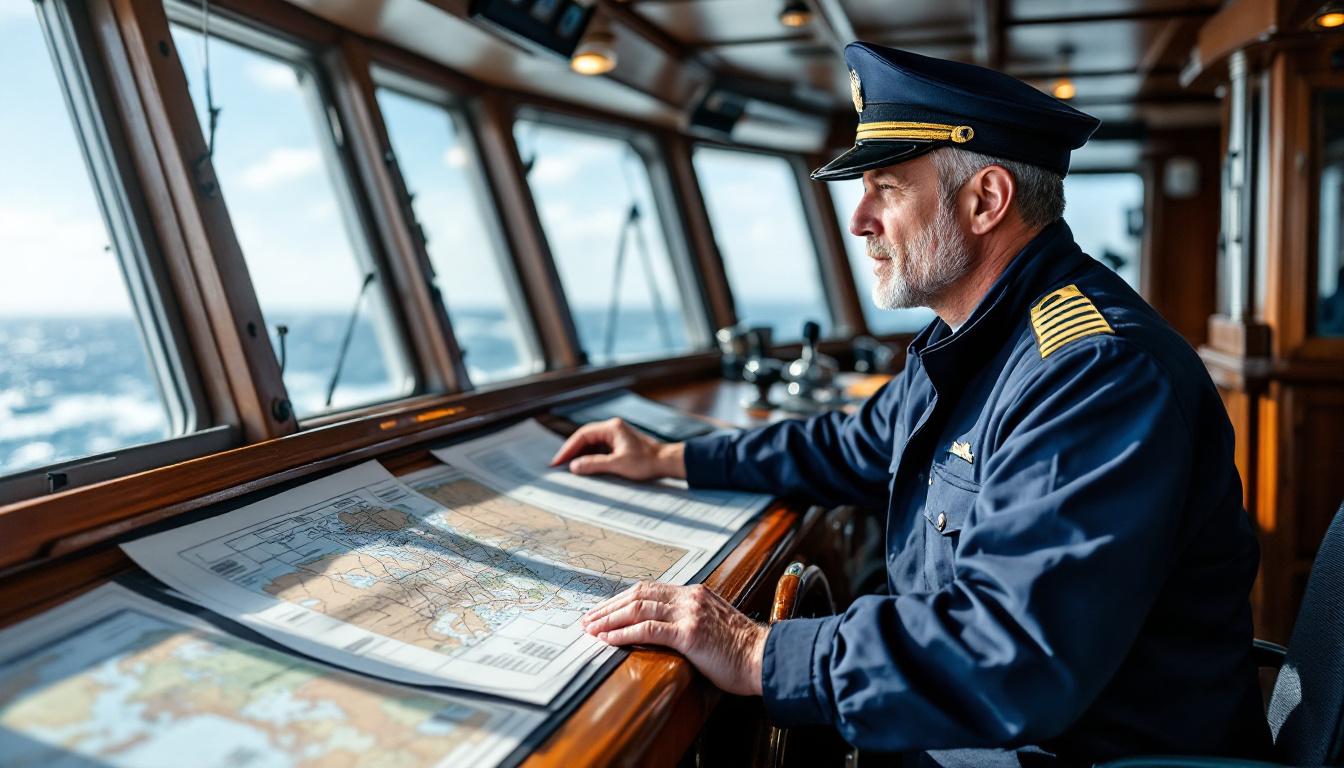
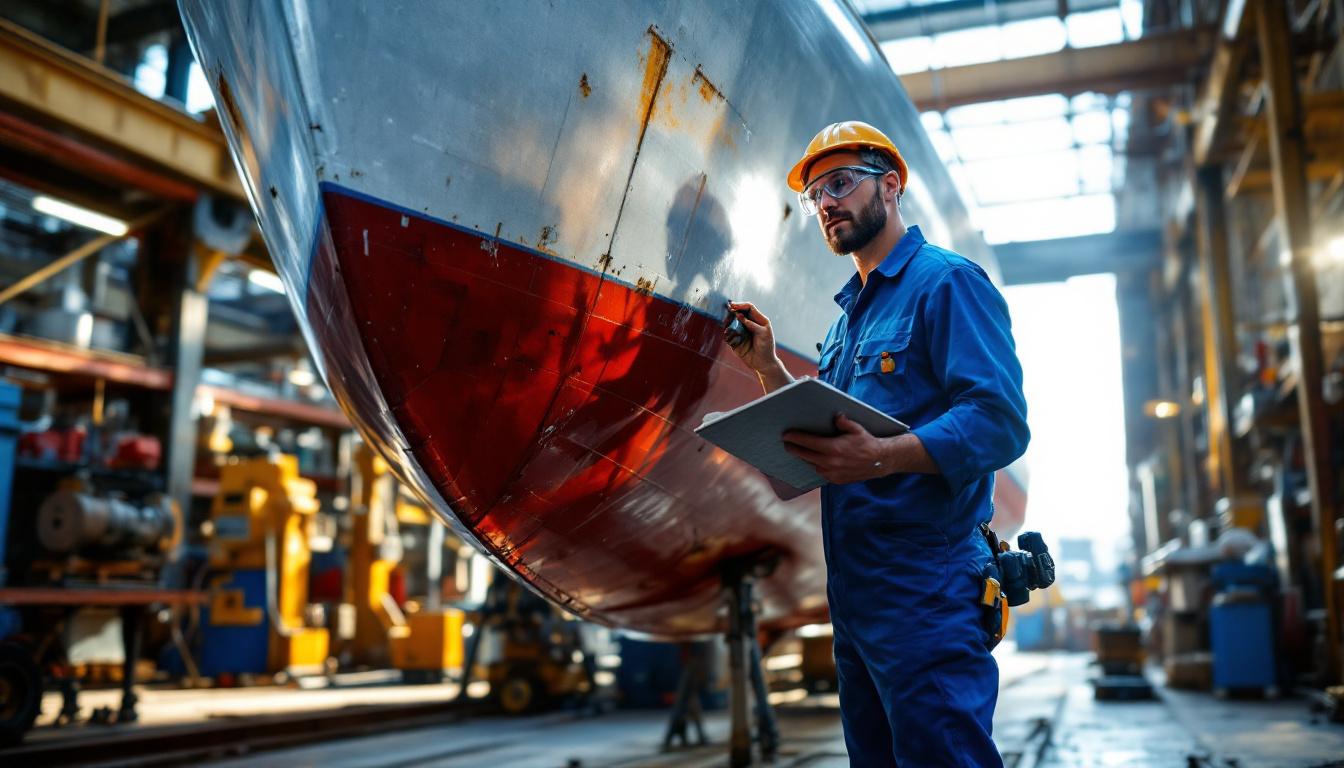
Graduates of this certificate can work in various entry-level maritime positions. The marine transportation sector includes commercial shipping, port operations, and maritime logistics. Job opportunities exist on cargo ships, ferries, and support vessels. The industry values practical skills and safety awareness, making this certificate useful for quick employment.
- Possible jobs include deck crew, marine operations assistant, and port logistics support.
- The shipping industry and maritime transport companies are common employers.
- Positions often involve working on ships or in port facilities.
- Employment generally requires readiness for shift work and travel.
- Insertion into the workforce is generally rapid due to demand for trained personnel.
Careers after further study
These careers require a higher level of study than this degree.

Continuing your studies
After earning the certificate, students can continue their education in maritime or related fields. Options include associate degrees in maritime studies or specialized training for officer licensing. The certificate can serve as a stepping stone to more advanced qualifications or different maritime careers.
- Students may pursue an Associate Degree in Maritime Studies to deepen knowledge.
- Some continue with deck officer licensing programs requiring additional sea time.
- Others may reorient towards logistics or transportation management.
Where to study this degree (26)












Liste des 26 établissements
- National UniversitySan Diego
- Divers Institute of TechnologySeattle
- Commercial Diving Technologies InstituteHudson
- United States Merchant Marine AcademyKings Point
- SUNY Maritime CollegeThroggs Neck
- Texas A & M University-College StationCollege Station
- California Maritime AcademyVallejo
- Northwestern Michigan CollegeTraverse City
- Massachusetts Maritime AcademyBuzzards Bay
- Maine Maritime AcademyCastine
- Seattle Central CollegeSeattle
- San Jacinto CollegePasadena
- University of Alaska SoutheastJuneau
- The Landing SchoolArundel
- West Kentucky Community and Technical CollegePaducah
- Orange Coast CollegeCosta Mesa
- South Louisiana Community CollegeLafayette
- Northshore Technical Community CollegeLacombe
- Florida Keys Community CollegeKey West
- Santa Barbara City CollegeSanta Barbara
- Tennessee College of Applied Technology-HohenwaldHohenwald
- Clatsop Community CollegeAstoria
- Irvine Valley CollegeIrvine
- Alpena Community CollegeAlpena
- Saddleback CollegeMission Viejo
- Lamar State College-OrangeOrange
Frequently asked questions
What is the duration of the Certificate in Marine Transportation?
The program typically lasts less than two years, allowing students to enter the maritime workforce relatively quickly.
Do I need prior maritime experience to apply?
No prior maritime experience is usually required, but a high school diploma and basic skills in math and English are necessary.
Are there practical training components in this certificate?
Yes, the program includes practical exercises such as simulator training and may include short sea internships to develop hands-on skills.
Can this certificate lead to officer licensing?
This certificate provides foundational knowledge but does not directly qualify graduates for officer licensing, which requires further study and sea time.
Is the program selective?
Admission is generally not highly selective, focusing on candidates with the required educational background and interest in maritime careers.
What kinds of jobs can I get after completing this certificate?
Graduates can work in entry-level maritime roles such as deck crew, marine operations assistants, or port logistics support.
Is alternating work and study possible in this program?
Alternance or work-study arrangements are typically not available for this certificate.
Can I continue my studies after this certificate?
Yes, students can pursue associate degrees or specialized maritime training programs to advance their careers.
