
Certificate in Homeland Security
This certificate teaches security principles and emergency management to prepare students for roles in homeland security and public safety sectors.
About
The Certificate in Homeland Security is a postsecondary credential designed for individuals interested in protecting communities and managing emergency situations. It is suitable for those who want to work in security, emergency response, or related fields without committing to a full degree program. This certificate provides foundational knowledge on topics like risk assessment, disaster preparedness, and law enforcement collaboration.
- The program typically takes under two years to complete, making it accessible for quick entry into the workforce.
- It is aimed at students who have completed high school or equivalent and want specialized training in homeland security.
- Graduates can pursue roles such as security analysts, emergency management assistants, or support staff in public safety agencies.
- The curriculum balances theoretical understanding with practical skills relevant to real-world security challenges.
- This certificate helps build a base for further education or career advancement in safety and security sectors.
What you study
The curriculum covers a range of topics essential for homeland security professionals. Students start with basic concepts and gradually move to more applied subjects. The program includes both classroom learning and practical exercises.
- Core subjects include risk management, emergency preparedness, and security operations.
- Students learn about incident response and crisis communication to handle emergencies effectively.
- Courses often incorporate case studies and simulations to develop problem-solving skills.
- There is a focus on understanding legal frameworks and interagency cooperation in security efforts.
- Practical components such as drills or project work help apply theory to realistic scenarios.
- The program is structured to build competence progressively, preparing students for entry-level positions.
How to get in
Admission to this certificate program generally requires a high school diploma or equivalent. The process is straightforward and designed to welcome a variety of applicants interested in security fields.
- Applicants must provide proof of secondary education completion, such as a high school diploma.
- Some institutions may require a basic application form and possibly an interview or placement test.
- The program is open to recent graduates as well as adults seeking career changes.
- Interest in public safety and security is a key factor for acceptance.
- There are no strict prerequisites in terms of prior experience, making it accessible to many.
Day to day
A typical year in this program combines lectures, practical activities, and project work. Students engage with instructors and peers to develop both knowledge and skills.
- The schedule usually includes regular classes covering theory and applied topics.
- Hands-on exercises such as emergency drills or scenario planning are common.
- Some programs may offer internships or cooperative learning opportunities with local agencies.
- Students work on projects that simulate real security challenges to build teamwork and decision-making abilities.
- The pace allows students to balance study with other commitments if needed.
Careers this degree leads to
Graduates of the Certificate in Homeland Security can find work in various sectors focused on safety and emergency management. The demand for trained personnel in these areas is steady.
- Job roles include security analyst, emergency management assistant, and public safety coordinator.
- Employers range from government agencies to private security firms and non-profits.
- The certificate prepares students for entry-level positions supporting security operations.
- Employment opportunities exist in urban and rural settings, often involving collaboration with law enforcement.
- The job market values practical skills and knowledge of security protocols.


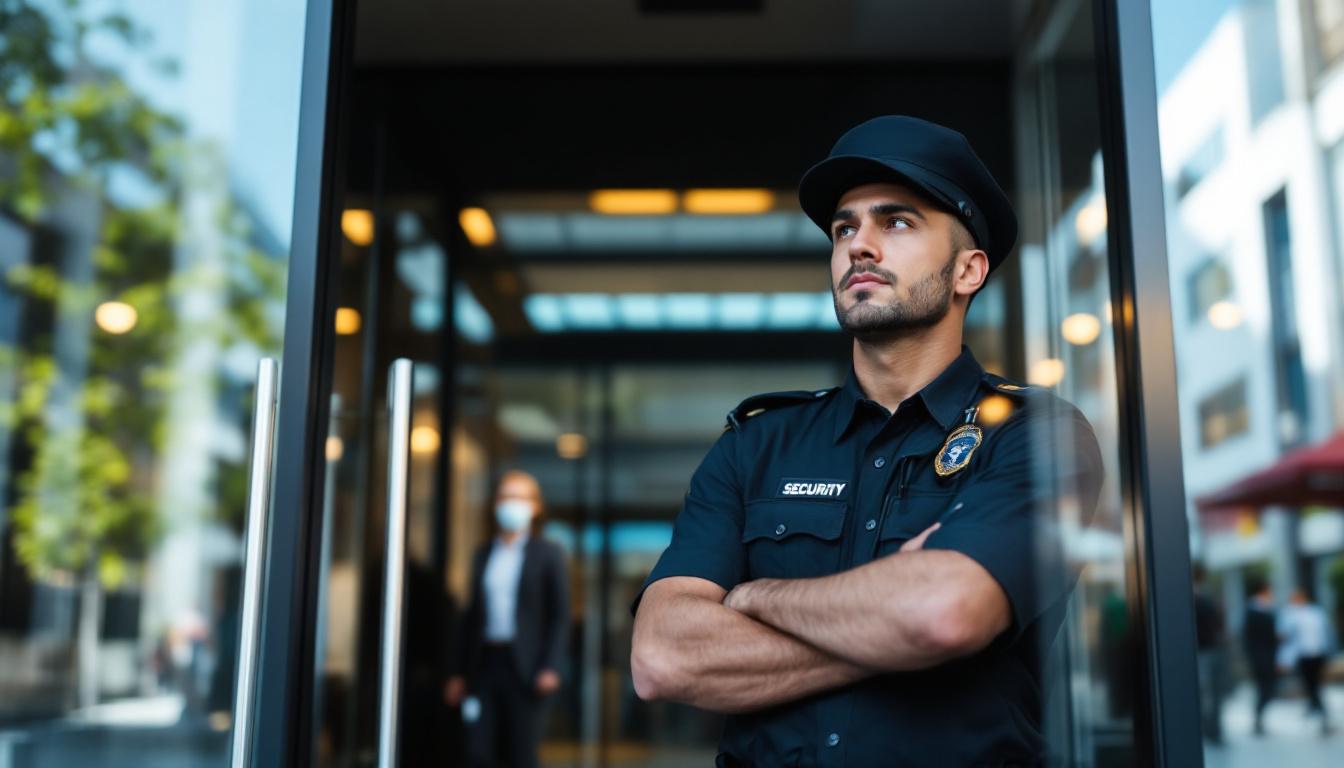
Continuing your studies
After earning this certificate, students may choose to continue their education to deepen expertise or expand career options. Several pathways are available depending on interests.
- Many pursue associate or bachelor's degrees in criminal justice, emergency management, or public administration.
- Some may specialize further in cybersecurity or disaster response through additional certificates or diplomas.
- Continuing education can open doors to supervisory or specialized roles in security fields.
- The certificate serves as a stepping stone for those considering broader studies in public safety.
Where to study this degree (126)




















Liste des 126 établissements
- University of Hawaii–West OahuKapolei
- Virginia Western Community CollegeRoanoke
- University of GeorgiaAthens
- Nash Community CollegeRocky Mount
- Regis UniversityDenver
- Community College of Beaver CountyMonaca
- Des Moines Area Community CollegeAnkeny
- Central Texas CollegeKilleen
- Central New Mexico Community CollegeAlbuquerque
- University of Central MissouriWarrensburg
- American Public University SystemCharles Town
- Laredo Community CollegeLaredo
- Palm Beach State CollegeLake Worth
- Park UniversityParkville
- Arkansas Tech UniversityRussellville
- College of DuPageGlen Ellyn
- Florida State College at JacksonvilleJacksonville
- Colorado Mesa UniversityGrand Junction
- Western Kentucky UniversityBowling Green
- Rio Salado CollegeTempe
- Wayne Community CollegeGoldsboro
- Fayetteville Technical Community CollegeFayetteville
- Harper CollegePalatine
- Coastline Community CollegeFountain Valley
- Youngstown State UniversityYoungstown
- Northeastern State UniversityTahlequah
- Rowan UniversityGlassboro
- Southwestern College - KansasWinfield
- Kennesaw State UniversityKennesaw
- St. Petersburg CollegeSt. Petersburg
- Idaho State UniversityPocatello
- University of Nebraska at OmahaOmaha
- Turtle Mountain Community CollegeBelcourt
- Montgomery CollegeRockville
- Caldwell Community College & Technical InstituteHudson
- Coastal Carolina Community CollegeJacksonville
- Angelo State UniversitySan Angelo
- Cape Fear Community CollegeWilmington
- Oakland Community CollegeAuburn Hills
- Northern Arizona UniversityFlagstaff
- Community College of Rhode IslandWarwick
- Columbia Southern UniversityOrange Beach
- Chaffey CollegeRancho Cucamonga
- Durham Technical Community CollegeDurham
- Missouri State UniversitySpringfield
- Olympic CollegeBremerton
- Capital Community CollegeHartford
- Indiana University KokomoKokomo
- Bucks County Community CollegeNewtown
- Herkimer CollegeHerkimer
- Lander UniversityGreenwood
- Rowan-Cabarrus Community CollegeSalisbury
- Mesa Community CollegeMesa
- Community College of Allegheny CountyPittsburgh
- Edmonds Community CollegeLynnwood
- Lanier Technical CollegeGainesville
- Eastern Kentucky UniversityRichmond
- Rose State CollegeMidwest City
- De Anza CollegeCupertino
- Lenoir Community CollegeKinston
- Colorado State University PuebloPueblo
- National American UniversityRapid City
- Grossmont CollegeEl Cajon
- Citrus CollegeGlendora
- Monroe Community CollegeRochester
- Indian River State CollegeFort Pierce
- Cascadia CollegeBothell
- Moraine Valley Community CollegePalos Hills
- Salish Kootenai CollegePablo
- Paradise Valley Community CollegePhoenix
- University of Management and TechnologyArlington
- ICPR Junior CollegeManati
- Stark State CollegeNorth Canton
- Columbus State Community CollegeColumbus
- Husson UniversityBangor
- South Florida State CollegeAvon Park
- Murray State UniversityMurray
- East Stroudsburg UniversityEast Stroudsburg
- Dean CollegeFranklin
- Missouri Southern State UniversityJoplin
- West Shore Community CollegeScottville
- Thomas Nelson Community CollegeHampton
- University of ArizonaTucson
- Lee UniversityCleveland
- Sinclair Community CollegeDayton
- Sam Houston State UniversityHuntsville
- Central Virginia Community CollegeLynchburg
- Guilford Technical Community CollegeJamestown
- Red Rocks Community CollegeLakewood
- Riverland Community CollegeAustin
- Hennepin Technical CollegeBrooklyn Park
- Merritt CollegeOakland
- Mercy UniversityDobbs Ferry
- Montana State UniversityBozeman
- East Los Angeles CollegeMonterey Park
- SUNY Westchester Community CollegeValhalla
- Blue Ridge Community and Technical CollegeMartinsburg
- Southside Virginia Community CollegeAlberta
- Kansas City Kansas Community CollegeKansas City
- Cypress CollegeCypress
- College of Lake CountyGrayslake
- Madonna UniversityLivonia
- Guam Community CollegeMangilao
- Lincoln Trail CollegeRobinson
- Eastern New Mexico UniversityPortales
- Upper Iowa UniversityFayette
- University of Wisconsin–Green BayGreen Bay
- Northwest Florida State CollegeNiceville
- SUNY ErieBuffalo
- Klamath Community CollegeKlamath Falls
- Robert Morris UniversityMoon Township
- University of Alaska FairbanksFairbanks
- Cape Cod Community CollegeWest Barnstable
- Abraham Lincoln UniversityGlendale
- Catawba Valley Community CollegeHickory
- Utica CollegeUtica
- Alliant International UniversitySan Diego
- Union County CollegeCranford
- Saint Louis UniversitySt Louis
- Maricopa Community Colleges - Glendale Community CollegeGlendale
- Highline CollegeDes Moines
- Moreno Valley CollegeMoreno Valley
- Phoenix CollegePhoenix
- Passaic County Community CollegePaterson
- University of New HavenWest Haven
- Slippery Rock UniversitySlippery Rock
Frequently asked questions
What prior education do I need to apply?
You generally need a high school diploma or equivalent to apply. The program is designed to be accessible to recent graduates and adults alike.
How long does the certificate take to complete?
The program usually takes less than two years, allowing you to enter the workforce relatively quickly.
Are there practical experiences included?
Yes, the program includes practical exercises like drills and simulations to help apply what you learn in real situations.
Can I work while studying this certificate?
The program's schedule often allows for balancing study with other commitments, but it generally does not include formal work-study or apprenticeship options.
What kinds of jobs can I get after completing this certificate?
Graduates can work in entry-level roles such as security analyst or emergency management assistant, often within government or private security sectors.
Is this certificate recognized nationwide in the US?
Yes, it is recognized across the United States and can help you qualify for various positions in homeland security and related fields.
Can I continue my studies after this certificate?
You can pursue further education like associate or bachelor's degrees in related fields to expand your career opportunities.
Is the program selective or open to many applicants?
The admission process is generally not very selective, welcoming a broad range of students interested in homeland security.