Certificate in Criminal Justice and Corrections
This certificate teaches fundamentals of criminal justice and corrections, preparing students for entry-level roles in law enforcement and correctional facilities in the US.
About
The Certificate in Criminal Justice and Corrections is a postsecondary credential designed for students interested in the criminal justice system and correctional services. It is aimed at individuals who want to start a career in law enforcement, probation, parole, or correctional institutions. This certificate provides foundational knowledge about the justice system, offender management, and rehabilitation processes. It suits those seeking to enter the workforce quickly or enhance their understanding of criminal justice without committing to a longer degree program. The certificate helps graduates qualify for various support roles in public safety and corrections departments.
- The program covers basic principles of criminal justice and corrections within the US legal framework.
- It is intended for students who have completed high school or equivalent and want practical skills.
- Graduates can pursue roles such as correctional officers or probation assistants.
- The certificate can be a stepping stone for further studies or career advancement in criminal justice.
- The program is typically completed in less than two years, offering a quicker path to employment.
What you study
The curriculum focuses on understanding the criminal justice system, correctional methods, and offender rehabilitation. Students progress through foundational courses before moving to more specialized topics. The program balances theory with practical applications relevant to real-world criminal justice settings.
- Core subjects include criminal law, corrections procedures, and ethics in criminal justice.
- Students learn about offender rights, rehabilitation techniques, and community supervision.
- The program often includes case studies and scenario-based learning to develop critical thinking.
- Practical training may involve simulations or visits to correctional facilities to understand daily operations.
- Courses are structured to build knowledge progressively, starting from basic concepts to applied skills.
- Instruction may be delivered through lectures, discussions, and group projects to encourage engagement.
How to get in
Admission to this certificate program generally requires a high school diploma or equivalent. The application process varies by institution but typically involves submitting transcripts and sometimes attending an interview or orientation. It is designed for students ready to enter postsecondary education with a clear interest in criminal justice.
- Applicants must have completed high school or GED as a minimum requirement.
- The process includes submitting academic records and possibly a personal statement.
- Some programs may require placement tests to assess readiness for college-level coursework.
- Students with relevant work or volunteer experience in related fields may have an advantage.
- The program is open to a wide range of students, including recent graduates and adult learners.
Day to day
A typical year in this certificate program involves attending classes on campus or online, completing assignments, and participating in practical exercises. Students often engage in projects that simulate criminal justice scenarios. While formal internships are not always required, some programs encourage or facilitate work placements to gain experience.
- The academic calendar includes regular classes, exams, and group work throughout the year.
- Students may have opportunities for field visits to correctional facilities or courts.
- Hands-on projects help students apply theory to practice, such as developing rehabilitation plans.
- Some programs offer optional internships or cooperative education experiences.
- Class schedules can be flexible, accommodating part-time students or those working alongside studies.
Careers this degree leads to
Graduates of this certificate can find entry-level positions in various parts of the criminal justice system. Many work in correctional facilities, probation offices, or community supervision agencies. The job market generally values practical knowledge and a clear understanding of justice procedures, which this certificate provides.
- Common roles include correctional officer, probation assistant, and court clerk.
- Employers are often government agencies, local law enforcement, and rehabilitation centers.
- The certificate supports quick integration into the workforce with relevant skills.
- Job demand depends on local needs but tends to be steady in public safety sectors.
- Experience gained through the program can lead to career advancement opportunities.






Careers after further study
These careers require a higher level of study than this degree.





Continuing your studies
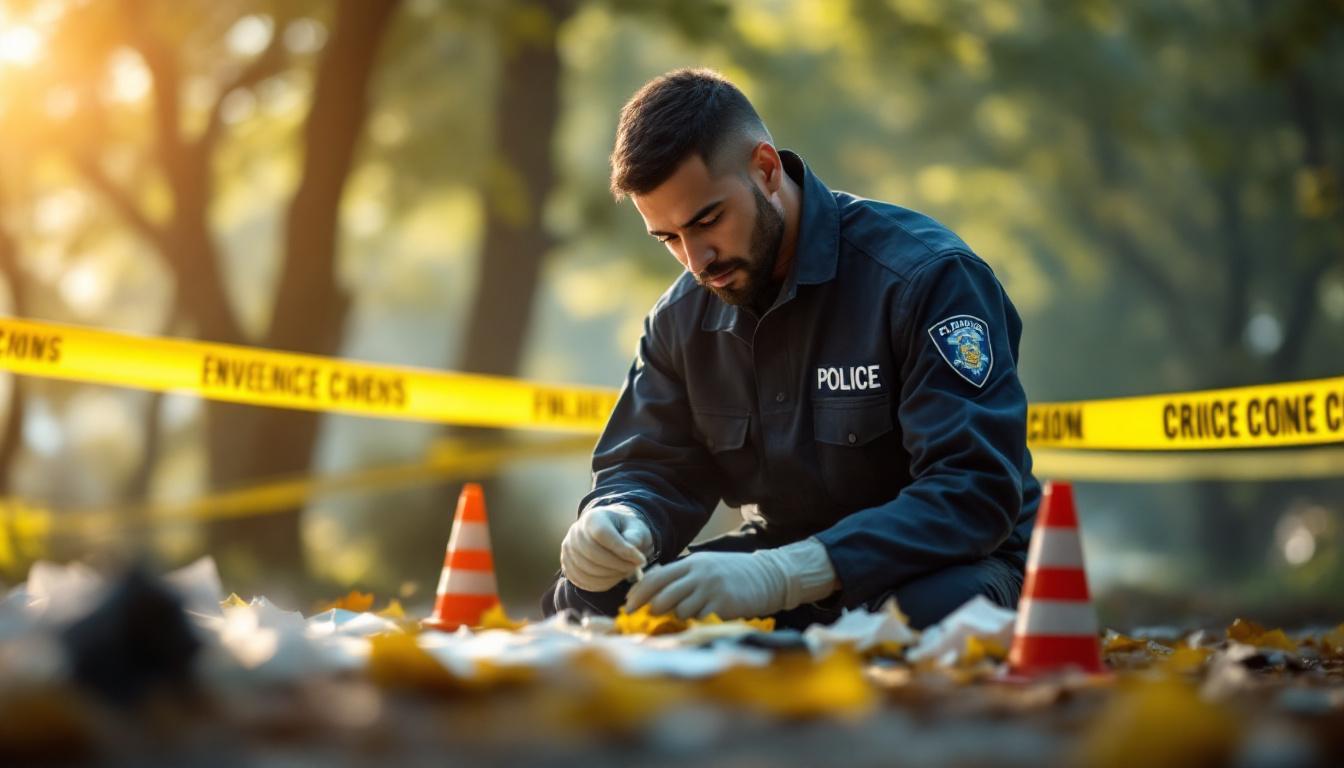
After earning this certificate, students may choose to continue their education in criminal justice or related fields. Many pursue associate or bachelor's degrees to deepen their expertise and improve career prospects. The certificate can also help with transferring credits to longer programs.
- Students often continue with an Associate's degree in Criminal Justice or related areas.
- Some may pursue bachelor's degrees to access higher-level positions.
- The certificate provides foundational knowledge useful for various law enforcement or social work programs.
- It can also support reorientation toward public administration or legal studies.
Where to study this degree (200)






Liste des 200 établissements
- University of Massachusetts LowellLowell
- Kean UniversityUnion
- University of Maryland Global CampusAdelphi
- Drury UniversitySpringfield
- Saint Leo UniversitySaint Leo
- San Diego City CollegeSan Diego
- Denmark Technical CollegeDenmark
- Jarvis Christian CollegeHawkins
- Northwest UniversityKirkland
- Eastern New Mexico UniversityPortales
- Sheridan CollegeSheridan
- Madonna UniversityLivonia
- California State University, FresnoFresno
- Texas Christian UniversityFort Worth
- Johnson County Community CollegeOverland Park
- Northeast Texas Community CollegeMount Pleasant
- Santiago Canyon CollegeOrange
- Salve Regina UniversityNewport
- Vernon CollegeVernon
- Thomas Jefferson UniversityPhiladelphia
- University of CincinnatiCincinnati
- Alexandria Technical and Community CollegeAlexandria
- Delaware State UniversityDover
- Husson UniversityBangor
- University of LynchburgLynchburg
- Southern New Hampshire UniversityManchester
- West Virginia UniversityMorgantown
- Heidelberg UniversityTiffin
- John Jay College of Criminal JusticeNew York
- Florida Institute of TechnologyMelbourne
- East Carolina UniversityGreenville
- St. Thomas UniversityMiami Gardens
- Baker CollegeOwosso
- University of Michigan–DearbornDearborn
- Thomas More UniversityCrestview Hills
- Crafton Hills CollegeYucaipa
- Washington State UniversityPullman
- Midway UniversityMidway
- University of South Carolina UpstateSpartanburg
- Muskegon Community CollegeMuskegon
- Alliant International UniversitySan Diego
- Provo CollegeProvo
- Indiana Wesleyan UniversityMarion
- Bushnell UniversityEugene
- Northeast Mississippi Community CollegeBooneville
- Portland Community CollegePortland
- Mount Aloysius CollegeCresson
- Assumption CollegeWorcester
- University of Wisconsin–SuperiorSuperior
- University of New HampshireDurham
- Samford UniversityBirmingham
- Ferris State UniversityBig Rapids
- Heartland Community CollegeNormal
- Moberly Area Community CollegeMoberly
- Bowling Green State UniversityBowling Green
- Rogue Community CollegeGrants Pass
- New Mexico State UniversityLas Cruces
- University of Virginia's College at WiseWise
- Farmingdale State CollegeFarmingdale
- University of AlabamaTuscaloosa
- University of Nebraska–LincolnLincoln
- William Woods UniversityFulton
- Martin UniversityIndianapolis
- University of LouisvilleLouisville
- San Diego Mesa CollegeSan Diego
- The University of Texas Rio Grande ValleyEdinburg
- Bryant & Stratton CollegeBuffalo
- South UniversitySavannah
- Trine UniversityAngola
- Vermont Technical CollegeRandolph
- University of BaltimoreBaltimore
- Clayton State UniversityMorrow
- University of Central FloridaOrlando
- University of HartfordWest Hartford
- University of Rio Grande and Rio Grande Community CollegeRio Grande
- Cabrillo CollegeAptos
- University of Northern ColoradoGreeley
- Florida State UniversityTallahassee
- Jones County Junior CollegeEllisville
- Ottawa UniversityOttawa
- California Lutheran UniversityThousand Oaks
- Park UniversityParkville
- Northwestern State UniversityNatchitoches
- Eastern Gateway Community CollegeSteubenville
- Rio Salado CollegeTempe
- Sam Houston State UniversityHuntsville
- University of Phoenix-ArizonaPhoenix
- East Los Angeles CollegeMonterey Park
- Liberty UniversityLynchburg
- American Public University SystemCharles Town
- California State University, SacramentoSacramento
- American InterContinental UniversityChandler
- University of Virginia-Main CampusCharlottesville
- Florida International UniversityMiami
- Miami Dade CollegeMiami
- Colorado Technical University-Colorado SpringsColorado Springs
- California State University, NorthridgeNorthridge
- San Diego State UniversitySan Diego
- Community College of Baltimore CountyBaltimore
- Purdue University GlobalWest Lafayette
- The University of Arizona Global CampusSan Diego
- Santa Rosa Junior CollegeSanta Rosa
- California State University Los AngelesLos Angeles
- San Bernardino Valley CollegeSan Bernardino
- George Mason UniversityFairfax
- Texas State UniversitySan Marcos
- California State University, FullertonFullerton
- Borough of Manhattan Community CollegeNew York
- Arizona State University Campus ImmersionTempe
- Broward CollegeFort Lauderdale
- Moreno Valley CollegeMoreno Valley
- California State University, San BernardinoSan Bernardino
- South Texas CollegeMcAllen
- Southwestern Illinois CollegeBelleville
- University of Nevada, Las VegasLas Vegas
- Florida Atlantic UniversityBoca Raton
- Central State UniversityWilberforce
- Grand Canyon UniversityPhoenix
- California State University, Long BeachLong Beach
- Sinclair Community CollegeDayton
- University of North TexasDenton
- Columbia Southern UniversityOrange Beach
- The University of Texas at El PasoEl Paso
- Valencia CollegeOrlando
- El Centro CollegeDallas
- University of New HavenWest Haven
- Rowan UniversityGlassboro
- University of Nebraska at OmahaOmaha
- University of Houston - DowntownHouston
- Arizona State University Digital ImmersionScottsdale
- Virginia Commonwealth UniversityRichmond
- Camden County CollegeBlackwood
- Michigan State UniversityEast Lansing
- Pennsylvania State University-Main CampusUniversity Park
- University of North Carolina at CharlotteCharlotte
- University of Illinois ChicagoChicago
- Tallahassee Community CollegeTallahassee
- Rio Hondo CollegeWhittier
- San Francisco State UniversitySan Francisco
- Triton CollegeRiver Grove
- San Jose State UniversitySan Jose
- The University of Texas at San AntonioSan Antonio
- East Texas A&M UniversityCommerce
- Western Illinois UniversityMacomb
- University of South Carolina-ColumbiaColumbia
- St. John's UniversityQueens
- Rutgers University-NewarkNewark
- Capital Community CollegeHartford
- University at AlbanyAlbany
- Imperial Valley CollegeImperial
- Ivy Tech Community CollegeIndianapolis
- Tarleton State UniversityStephenville
- California State University, StanislausTurlock
- Lone Star CollegeThe Woodlands
- Texas A&M International UniversityLaredo
- Georgia State UniversityAtlanta
- El Paso Community CollegeEl Paso
- Illinois State UniversityNormal
- Northern Virginia Community CollegeAnnandale
- Bakersfield CollegeBakersfield
- Central Community CollegeGrand Island
- Kennesaw State UniversityKennesaw
- Hillsborough Community CollegeTampa
- California State University, Dominguez HillsCarson
- Eastern Kentucky UniversityRichmond
- Suffolk County Community CollegeSelden
- California State University, BakersfieldBakersfield
- Bluegrass Community and Technical CollegeLexington
- Walters State Community CollegeMorristown
- Rutgers University-New BrunswickNew Brunswick
- California State University, East BayHayward
- Santa Ana CollegeSanta Ana
- College of Southern NevadaLas Vegas
- Western Carolina UniversityCullowhee
- Southwestern College - CaliforniaChula Vista
- Metropolitan State University of DenverDenver
- Hennepin Technical CollegeBrooklyn Park
- University of ArizonaTucson
- California State University, ChicoChico
- Portland State UniversityPortland
- LaGuardia Community CollegeLong Island City
- Franklin UniversityColumbus
- Florida State College at JacksonvilleJacksonville
- University of North Carolina at PembrokePembroke
- University of Nevada, RenoReno
- Bridgewater State UniversityBridgewater
- Kent State University at KentKent
- University of Massachusetts BostonBoston
- Appalachian State UniversityBoone
- Westfield State UniversityWestfield
- Estrella Mountain Community CollegeAvondale
- The University of Texas at ArlingtonArlington
- Mesa Community CollegeMesa
- Central Washington UniversityEllensburg
- Nassau Community CollegeGarden City
- University of San DiegoSan Diego
- Temple UniversityPhiladelphia
- Queensborough Community College, CUNYBayside
- Fresno City CollegeFresno
- NUC UniversityBayamon
Frequently asked questions
What is the duration of the Certificate in Criminal Justice and Corrections?
The certificate program typically takes less than two years to complete, depending on the institution and study pace.
Can I work while studying for this certificate?
Many programs offer flexible schedules, allowing students to work part-time while attending classes.
Is prior experience in criminal justice required to enroll?
No prior experience is necessary; the program is designed for beginners with a high school diploma or equivalent.
Does this certificate include practical training or internships?
Some programs include practical exercises and may offer optional internships or field visits to correctional facilities.
What types of jobs can I get after completing this certificate?
Graduates can pursue entry-level roles such as correctional officers, probation assistants, or court clerks.
Can I continue my studies after this certificate?
Yes, many students continue with associate or bachelor's degrees in criminal justice or related fields to advance their careers.
Is the certificate recognized by employers in the US?
Yes, it provides foundational knowledge valued by many employers in correctional and law enforcement agencies.
Are there any selective admission criteria for this program?
The program is generally not highly selective and is accessible to students with a high school diploma or equivalent.