
Certificate in Chemistry
This Certificate in Chemistry teaches foundational chemical principles and laboratory skills, preparing students for entry-level roles in science-related fields or further study.
About
The Certificate in Chemistry is a postsecondary credential in the United States that provides students with essential knowledge and skills in chemistry. It is designed for individuals interested in gaining a solid foundation in chemical concepts and laboratory techniques without committing to a full degree program. This certificate is suitable for recent high school graduates, adult learners, or professionals seeking to enhance their scientific understanding.
- The program typically takes less than two years to complete, focusing on practical and theoretical chemistry.
- It prepares students for entry-level positions in laboratories, manufacturing, or quality control.
- Students develop skills useful for roles in healthcare, environmental science, or industrial settings.
- The certificate can serve as a stepping stone toward further education in science or technology fields.
- It is offered by community colleges and technical schools across the US.
What you study
The curriculum of the Certificate in Chemistry covers fundamental topics and hands-on laboratory work to build a strong scientific base. Courses are structured to gradually deepen students' understanding while emphasizing practical skills.
- Students study general chemistry concepts including atomic structure, chemical bonding, and reactions.
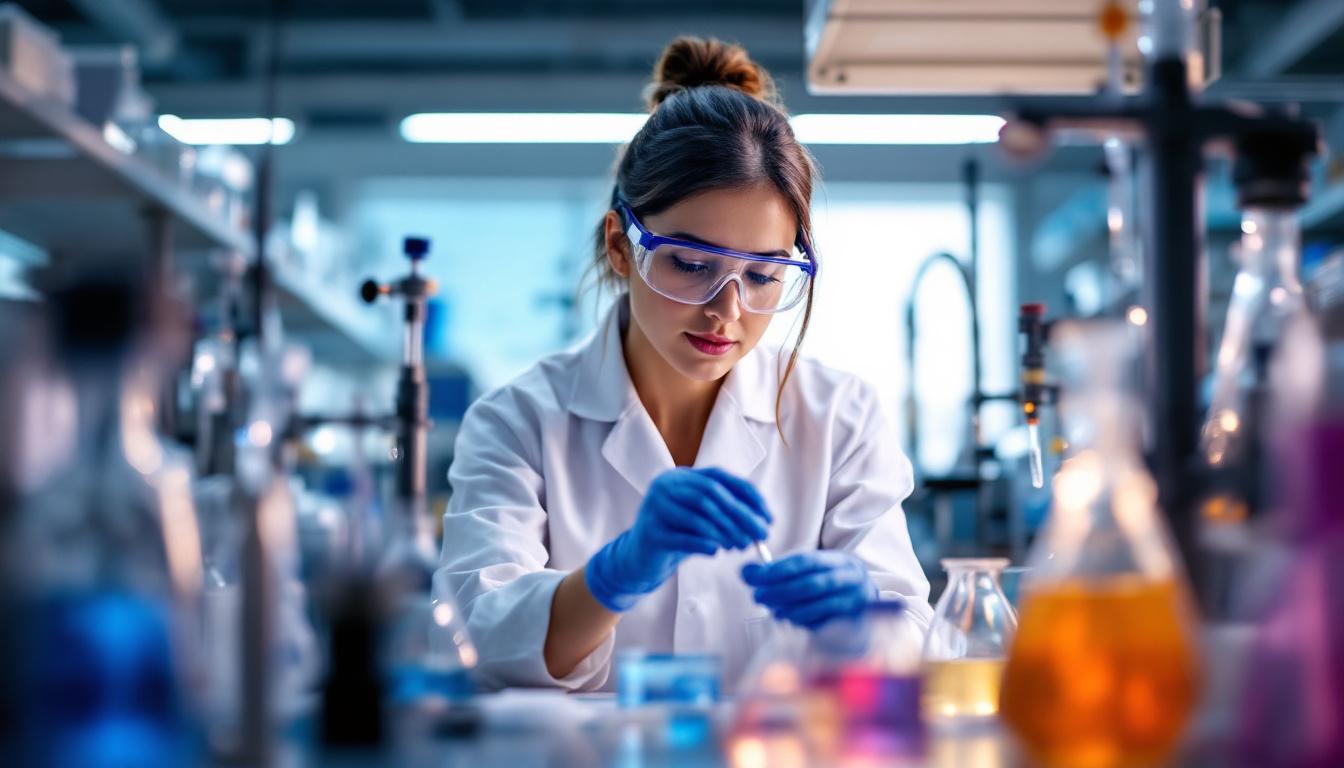
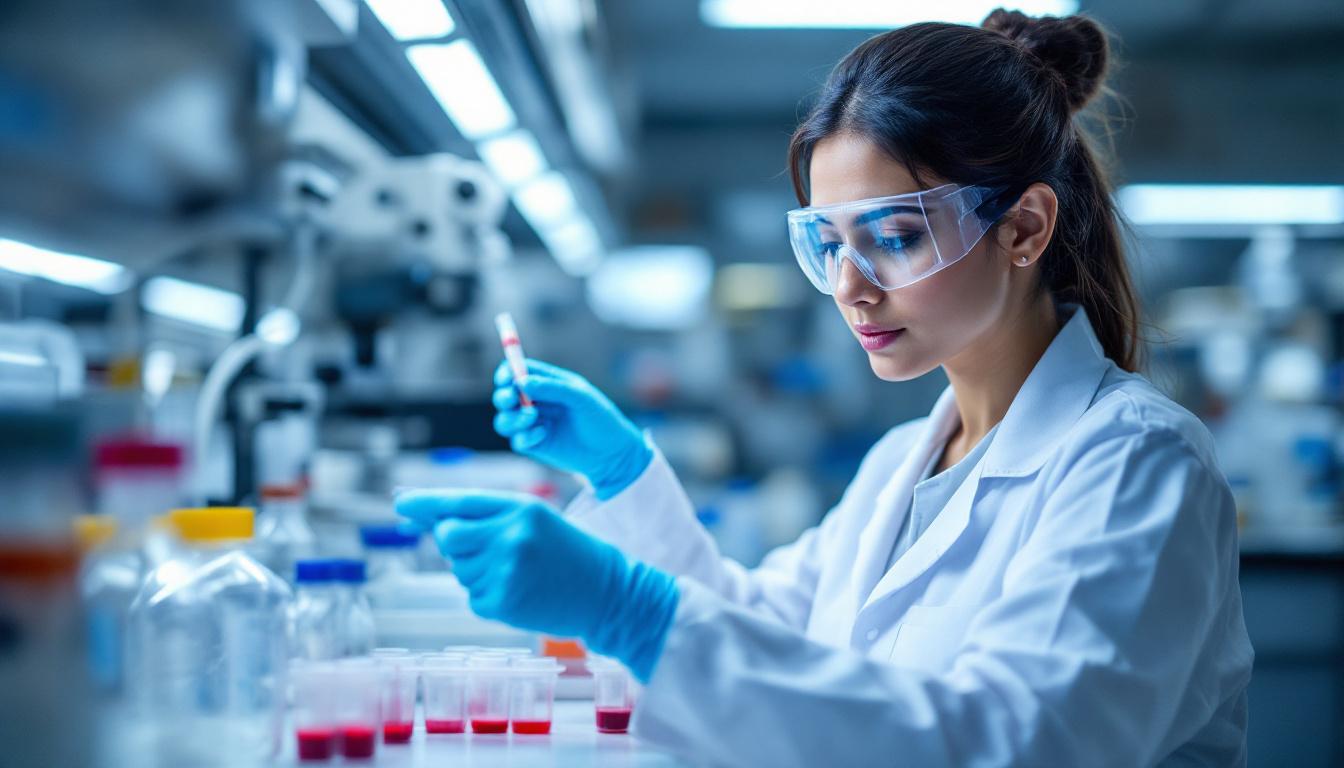
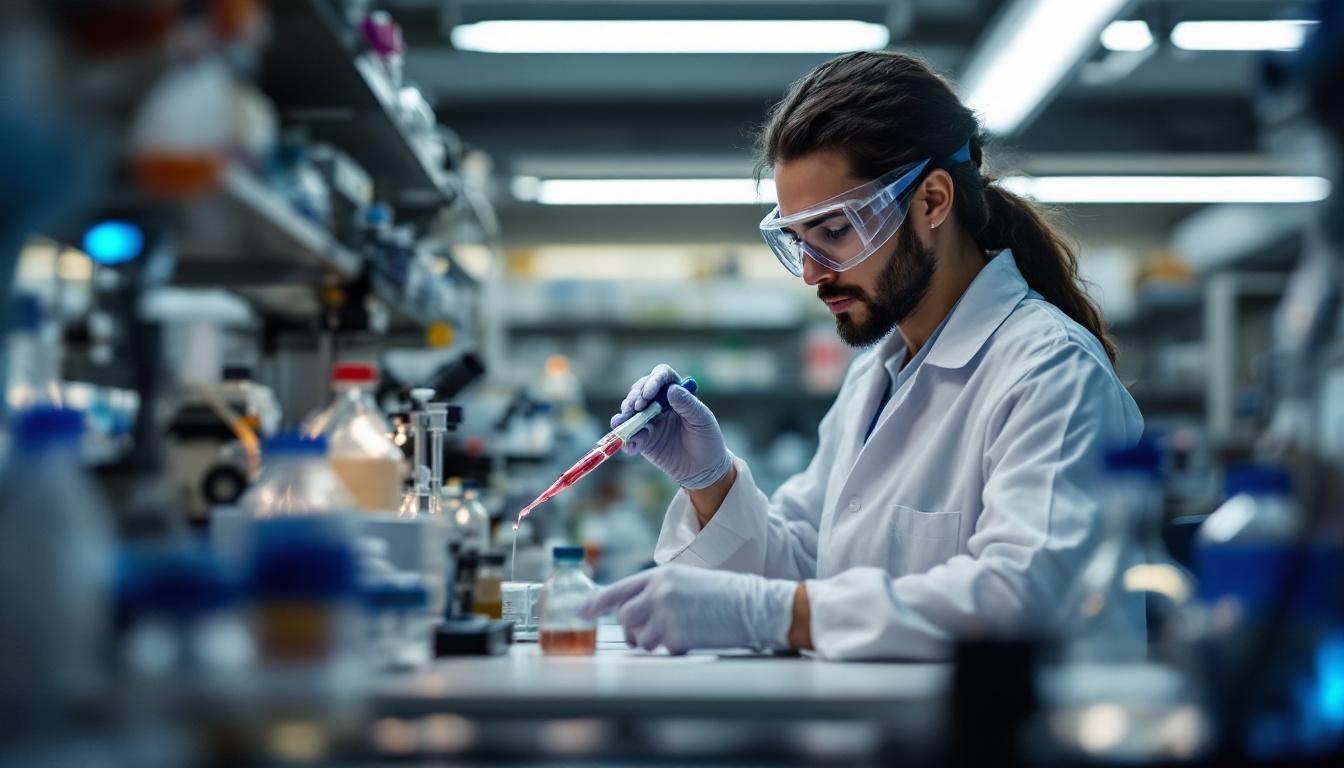
- The program includes laboratory techniques where students practice experiments, data collection, and safety procedures.
- Other subjects may cover organic chemistry basics and analytical methods such as titration and spectroscopy.
- Classes combine lectures with regular lab sessions to reinforce learning through practice.
- The curriculum is designed to be completed in under two years, often allowing part-time study.
- Students learn to use scientific equipment and software relevant to chemical analysis.
How to get in
Admission to the Certificate in Chemistry program requires a high school diploma or equivalent. The process is straightforward and accessible to many students interested in science.
- Applicants typically submit a high school transcript or GED certificate.
- Some schools may require placement tests in math or English to determine readiness.
- There is usually no strict selective admission, making it open to a wide range of students.
- Students with a background in science or math may find the coursework easier to follow.
- Community colleges and technical institutes handle admissions directly, often with rolling deadlines.
Day to day
A typical year in the Certificate in Chemistry program balances classroom learning and laboratory practice. Students engage in projects and sometimes internships to apply their knowledge.
- The academic calendar includes regular lectures combined with scheduled lab sessions each week.
- Students work on individual and group experiments to develop teamwork and technical skills.
- Some programs may offer opportunities for internships or cooperative education in local labs or companies.
- Hands-on projects help students understand real-world applications of chemistry.
- The pace allows students to build skills steadily, often with support from instructors and tutors.
Careers after further study
These careers require a higher level of study than this degree.

Continuing your studies
After earning the certificate, students may choose to continue their education to expand their career options. The certificate can be a foundation for further study in chemistry or related fields.
- Many students pursue an Associate Degree in Chemistry or related science programs.
- Transfer to a four-year college for a Bachelor's degree in chemistry or biochemistry is possible.
- The certificate can also support entry into technical or applied science programs.
- Some students may reorient toward fields like environmental science or healthcare technology.
Where to study this degree (37)


















Liste des 37 établissements
- University of Wisconsin–Stevens PointStevens Point
- San Diego Miramar CollegeSan Diego
- Walla Walla UniversityCollege Place
- Grand Valley State UniversityAllendale
- Davidson CollegeDavidson
- Cabrillo CollegeAptos
- Bunker Hill Community CollegeBoston
- University of Hawaii at HiloHilo
- Diablo Valley CollegePleasant Hill
- Evergreen Valley CollegeSan Jose
- Contra Costa CollegeSan Pablo
- Corban UniversitySalem
- University of Wisconsin–ParksideKenosha
- Lake Superior State UniversitySault Ste Marie
- Purdue University Fort WayneFort Wayne
- Ohlone CollegeFremont
- Grossmont CollegeEl Cajon
- Metropolitan State University of DenverDenver
- Northeastern State UniversityTahlequah
- Central Arizona CollegeCoolidge
- Georgia College & State UniversityMilledgeville
- Palomar CollegeSan Marcos
- Minnesota State University MoorheadMoorhead
- Missouri University of Science and TechnologyRolla
- Madonna UniversityLivonia
- Indiana University of PennsylvaniaIndiana
- Texas A&M University – KingsvilleKingsville
- Niagara County Community CollegeSanborn
- Moorpark CollegeMoorpark
- San Diego Mesa CollegeSan Diego
- Atlanta Metropolitan State CollegeAtlanta
- Purdue University NorthwestHammond
- Utah Tech UniversitySaint George
- City College of San FranciscoSan Francisco
- University of CincinnatiCincinnati
- Southern Adventist UniversityCollegedale
- Western New England UniversitySpringfield
Frequently asked questions
What prior knowledge is needed to start this certificate?
A high school diploma or equivalent is required. Basic skills in math and science help, but no advanced chemistry knowledge is necessary.
How long does it take to complete the certificate?
The program usually takes less than two years, with some students finishing faster depending on their course load.
Are there practical lab sessions included?
Yes, hands-on laboratory work is a key part of the program to develop real skills in chemical analysis and safety.
Can this certificate lead to a job directly after completion?
Yes, graduates often find entry-level positions in labs, manufacturing, or quality control soon after finishing.
Is financial aid available for this program?
Many community colleges offer financial aid or scholarships, but availability depends on the institution and student eligibility.
Can I continue studying chemistry after this certificate?
Absolutely, this certificate can be a stepping stone to associate or bachelor's degree programs in chemistry or related fields.
Is work experience required before admission?
No prior work experience is usually needed; the program is designed for beginners and recent graduates.
Are internships part of the program?
Some programs may offer optional internships or cooperative education opportunities to gain practical experience.