Certificate in Animal Sciences
This certificate teaches basic animal science concepts and practical skills, preparing students for entry-level roles in animal care and related fields in the US.
About
The Certificate in Animal Sciences is a postsecondary credential offered in the United States, designed for students interested in working with animals in various settings. It is suitable for those who want to gain foundational knowledge in animal biology, care, and management without committing to a lengthy degree program. This certificate typically takes less than two years to complete and corresponds to an EQF level 4, which is a level of qualification that provides practical skills and knowledge.
- The program is aimed at students who have completed high school or equivalent and want to enter animal-related professions quickly.
- It prepares graduates for roles such as animal care assistants, farm workers, or support staff in veterinary clinics and animal shelters.
- The certificate provides essential knowledge about animal health, nutrition, behavior, and husbandry.
- It is also a stepping stone for those who might want to continue their studies in animal science or related fields.
- Students gain both theoretical understanding and practical experience working with animals.
What you study
The curriculum covers a range of topics essential to understanding and caring for animals, combining classroom learning with hands-on practice. Over the course of the program, students build their knowledge progressively.
- Courses include animal biology, nutrition, and animal behavior, providing a scientific foundation.
- Students learn about animal health and welfare, including common diseases and preventive care.
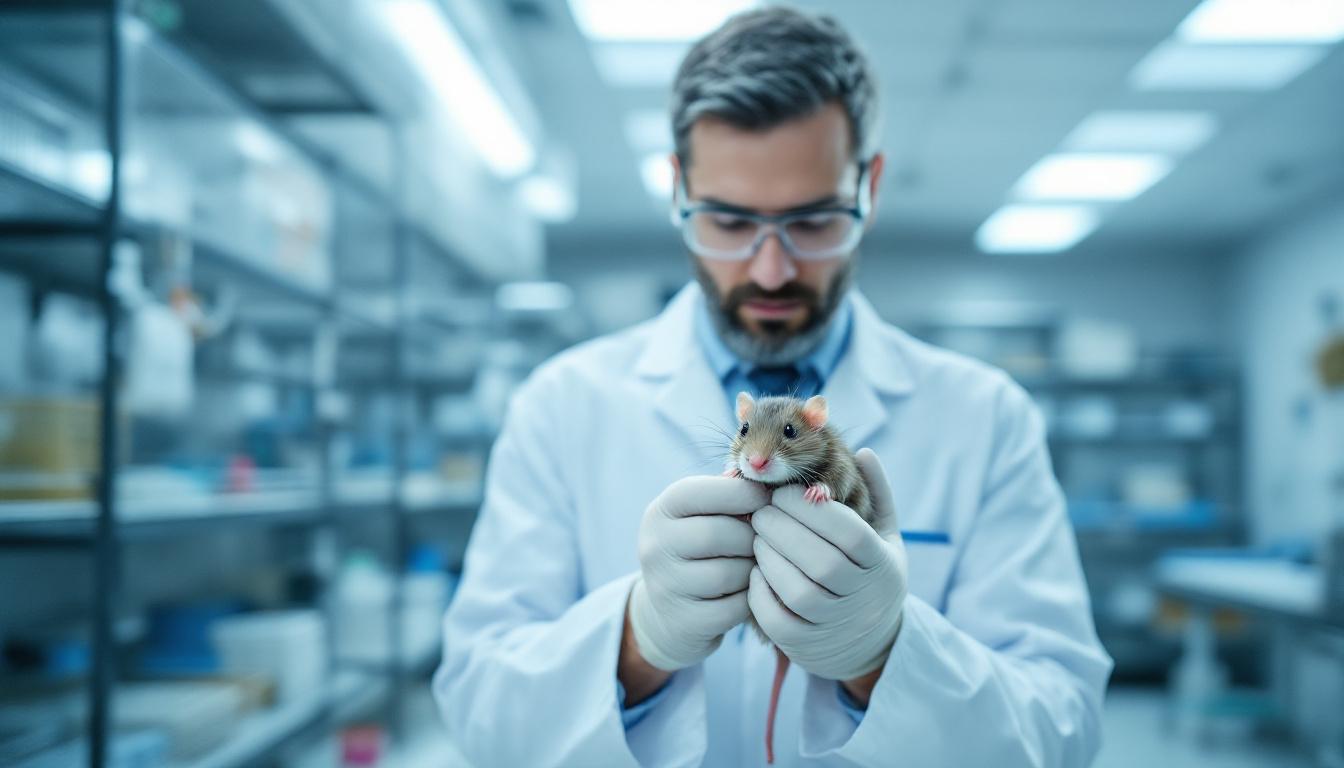
- Practical sessions focus on animal handling and husbandry techniques, often involving work with farm animals, pets, or laboratory animals.
- Some programs include training on record keeping and facility management relevant to animal care settings.
- The balance between theory and practice helps students develop skills needed for real-world animal care jobs.
- Programs may offer projects or small internships to apply learning in professional environments.
How to get in
Admission to the Certificate in Animal Sciences in the US usually requires a high school diploma or equivalent. The process is generally straightforward and accessible to a wide range of applicants.
- Applicants need to have completed high school or a GED certificate.
- Some institutions may require a basic background in biology or science, but this is not always mandatory.
- The admission process often involves submitting an application form and transcripts.
- There may be an interview or placement test depending on the school.
- Students with a strong interest in animals and practical skills are well suited for this program.
- Financial aid or scholarships might be available depending on the institution.
Day to day
A typical year in the Certificate in Animal Sciences program combines classroom lessons with practical activities and sometimes fieldwork. The schedule is designed to give students varied experiences with animals.
- Students attend lectures and labs focused on animal anatomy and care techniques.
- Hands-on sessions involve feeding, cleaning, and monitoring animal health in different settings.
- Some programs include internships or work placements to gain real-world experience.
- The workload is balanced between theory and practice, with projects often requiring teamwork.
- Students may have opportunities to visit farms, shelters, or veterinary clinics.
- The program usually fits within a standard academic calendar but may offer flexible scheduling options.
Careers this degree leads to
Graduates of this certificate can find work in various animal-related roles, especially in settings where practical skills are valued. The job market includes farms, shelters, clinics, and research facilities.
- Common jobs include animal care technician, farm assistant, and kennel worker.
- Employers range from veterinary clinics to animal shelters and agricultural operations.
- The demand for workers with basic animal science skills is steady, especially in rural and suburban areas.
- Entry-level positions often involve direct animal care and support tasks.
- Career progression may require further education or specialized training.
- The certificate helps graduates quickly enter the workforce with relevant skills.


Careers after further study
These careers require a higher level of study than this degree.

Continuing your studies
After earning the certificate, students can choose to continue their education to expand their knowledge and career options. This certificate can serve as a foundation for further studies.
- Many graduates pursue an associate degree in animal science or agriculture.
- Others may consider bachelor's degrees in related fields like veterinary technology or biology.
- Some may opt for specialized training programs in veterinary assisting or animal behavior.
- The certificate can also support reorientation towards other life sciences or environmental studies.
Where to study this degree (163)












Liste des 163 établissements
- University of New HampshireDurham
- Alamance Community CollegeGraham
- North Dakota State UniversityFargo
- SUNY Westchester Community CollegeValhalla
- Clemson UniversityClemson
- Eastern Oklahoma State CollegeWilburton
- College of the SequoiasVisalia
- Odessa CollegeOdessa
- Southeast Missouri State UniversityCape Girardeau
- Texas A & M University-College StationCollege Station
- University of California-DavisDavis
- Iowa State UniversityAmes
- North Carolina State UniversityRaleigh
- Oklahoma State University-Main CampusStillwater
- Texas Tech UniversityLubbock
- Kansas State UniversityManhattan
- University of Wisconsin–River FallsRiver Falls
- Virginia TechBlacksburg
- California Polytechnic State UniversitySan Luis Obispo
- California State Polytechnic UniversityPomona
- University of Illinois Urbana-ChampaignUrbana
- Tarleton State UniversityStephenville
- Michigan State UniversityEast Lansing
- Purdue University West LafayetteWest Lafayette
- Ohio State University-Main CampusColumbus
- University of FloridaGainesville
- Murray State UniversityMurray
- California State University, FresnoFresno
- Washington State UniversityPullman
- University of Tennessee at KnoxvilleKnoxville
- Sam Houston State UniversityHuntsville
- Auburn UniversityAuburn
- South Dakota State UniversityBrookings
- University of Puerto Rico-MayaguezMayaguez
- California State University, ChicoChico
- University of Missouri-ColumbiaColumbia
- West Virginia UniversityMorgantown
- University of GeorgiaAthens
- Mississippi State UniversityStarkville
- University of Minnesota-Twin CitiesMinneapolis
- University of VermontBurlington
- Colorado State University-Fort CollinsFort Collins
- Louisiana State University and Agricultural & Mechanical CollegeBaton Rouge
- SUNY CobleskillCobleskill
- Texas State UniversitySan Marcos
- Oregon State UniversityCorvallis
- University of Nebraska–LincolnLincoln
- Cornell UniversityIthaca
- University of ConnecticutStorrs
- University of ArkansasFayetteville
- New Mexico State UniversityLas Cruces
- Delaware Valley CollegeDoylestown
- Pennsylvania State University-Main CampusUniversity Park
- Unity CollegeNew Gloucester
- Utah State UniversityLogan
- Rutgers University-New BrunswickNew Brunswick
- University of Maryland-College ParkCollege Park
- Tuskegee UniversityTuskegee
- University of Rhode IslandKingston
- North Carolina Agricultural and Technical State UniversityGreensboro
- University of IdahoMoscow
- University of WyomingLaramie
- Brigham Young University - IdahoRexburg
- Montana State UniversityBozeman
- Texas A&M University – KingsvilleKingsville
- University of KentuckyLexington
- University of FindlayFindlay
- Louisiana Tech UniversityRuston
- University of MaineOrono
- Middle Tennessee State UniversityMurfreesboro
- East Texas A&M UniversityCommerce
- University of Wisconsin–PlattevillePlatteville
- University of Wisconsin–MadisonMadison
- Angelo State UniversitySan Angelo
- Southern Illinois University CarbondaleCarbondale
- University of DelawareNewark
- University of Massachusetts-AmherstAmherst
- SUNY UlsterStone Ridge
- Missouri State UniversitySpringfield
- University of Hawaiʻi at MānoaHonolulu
- University of ArizonaTucson
- Ohio State University Agricultural Technical InstituteWooster
- Santa Fe CollegeGainesville
- Alabama Agricultural and Mechanical UniversityNormal
- Casper CollegeCasper
- Northwest Missouri State UniversityMaryville
- Arkansas State UniversityJonesboro
- College of the OzarksPoint Lookout
- Sul Ross State UniversityAlpine
- Harcum CollegeBryn Mawr
- Northcentral Technical CollegeWausau
- College of Southern IdahoTwin Falls
- Oklahoma Panhandle State UniversityGoodwell
- College of Western IdahoNampa
- Fort Valley State UniversityFort Valley
- University of Mount OliveMount Olive
- Snow CollegeEphraim
- Northeast Community CollegeNorfolk
- University of Minnesota CrookstonCrookston
- Stautzenberger College-Rockford Career CollegeRockford
- Eastern New Mexico UniversityPortales
- Kaskaskia CollegeCentralia
- Andrews UniversityBerrien Springs
- East Mississippi Community CollegeScooba
- Stautzenberger College-MaumeeMaumee
- Abilene Christian UniversityAbilene
- Linn Benton Community CollegeAlbany
- Stautzenberger College-BrecksvilleBrecksville
- Laramie County Community CollegeCheyenne
- Southwestern Community CollegeCreston
- Kirkwood Community CollegeCedar Rapids
- West Texas A&M UniversityCanyon
- Buena Vista UniversityStorm Lake
- Athens Technical CollegeAthens
- Dordt UniversitySioux Center
- Centenary College of New JerseyHackettstown
- Sheridan CollegeSheridan
- New Mexico Junior CollegeHobbs
- University of Arkansas Community College at BatesvilleBatesville
- Yavapai CollegePrescott
- Northwest CollegePowell
- Mesalands Community CollegeTucumcari
- Wilson CollegeChambersburg
- Oregon State University CascadesBend
- Stephen F. Austin State UniversityNacogdoches
- Wayne Community CollegeGoldsboro
- SUNY MorrisvilleMorrisville
- Iowa Central Community CollegeFort Dodge
- Lincoln Memorial UniversityHarrogate
- Miles Community CollegeMiles City
- Treasure Valley Community CollegeOntario
- Northwest Mississippi Community CollegeSenatobia
- Lubbock Christian UniversityLubbock
- John Wood Community CollegeQuincy
- Cochise CollegeSierra Vista
- Northland Community and Technical CollegeThief River Falls
- Eastern Iowa Community CollegeDavenport
- Northeast Iowa Community CollegeCalmar
- Dawson Community CollegeGlendive
- University of Alaska FairbanksFairbanks
- University of North GeorgiaDahlonega
- Sinclair Community CollegeDayton
- Colby Community CollegeColby
- North Dakota State College of ScienceWahpeton
- Missouri State University–West PlainsWest Plains
- University of DenverDenver
- Cecil CollegeNorth East
- Langston UniversityLangston
- Johnson & Wales University-ProvidenceProvidence
- South Plains CollegeLevelland
- Dodge City Community CollegeDodge City
- Tennessee Technological UniversityCookeville
- Lancaster County Career and Technology CenterWillow Street
- Clarendon CollegeClarendon
- Huntington UniversityHuntington
- James Sprunt Community CollegeKenansville
- Hinds Community CollegeRaymond
- North Iowa Area Community CollegeMason City
- Ozarka CollegeMelbourne
- Indian Hills Community CollegeOttumwa
- Drexel UniversityPhiladelphia
- Central Wyoming CollegeRiverton
- Navajo Technical UniversityCrownpoint
Frequently asked questions
What prior education do I need to apply?
You generally need a high school diploma or equivalent to apply for this certificate program. Some schools might have additional requirements, but most accept students with a basic science background.
Is this certificate enough to work with animals professionally?
Yes, it provides foundational knowledge and skills for entry-level jobs in animal care, but some roles may require further training or certification.
Can I do internships during the program?
Many programs include practical internships or work placements to help you gain real-world experience with animals.
How long does the program take to complete?
The certificate usually takes less than two years to complete, depending on the school and whether you study full-time or part-time.
Are there opportunities to continue studying after this certificate?
Yes, you can pursue associate or bachelor's degrees in animal science or related fields to advance your career.
Is the program selective?
The admission process is generally not very selective and is accessible to many students who meet the basic requirements.
Can I study this certificate while working?
Some schools may offer flexible schedules or part-time options, but this varies by institution.
Does the program include learning about animal diseases?
Yes, courses typically cover basic animal health and common diseases to help you understand how to care for animals properly.
