
Bachelor's Degree in Vehicle Maintenance and Repair Technologies/Technicians
This bachelor's degree teaches vehicle maintenance and repair technologies, preparing students for technician roles in automotive and transportation industries.
About
This Bachelor's Degree in Vehicle Maintenance and Repair Technologies is designed for students interested in understanding how vehicles work and how to fix them. It is ideal for those who enjoy hands-on work with machines and want to build a career in automotive or transportation sectors. Over four years, students gain technical knowledge and practical skills to become competent vehicle maintenance technicians. Graduates can work in repair shops, dealerships, or fleet maintenance services.
- The program focuses on vehicle systems and repair techniques.
- It suits students who like mechanics and technical problem-solving.
- Completing this degree qualifies you for technician roles in various vehicle-related industries.
- The training combines theory and practical work to prepare for real-world tasks.
- It is offered in the United States and follows local educational standards.
What you study
The curriculum covers a broad range of topics related to vehicle maintenance and repair, progressing from basic concepts to advanced systems over the four years. Early courses introduce engine fundamentals and vehicle electronics, while later years focus on diagnostic methods and complex repairs. Practical workshops and labs are an important part of the program, allowing students to work directly on vehicles and use diagnostic tools. Students learn about safety standards and environmental regulations related to vehicle maintenance. The program also includes training on customer service and workplace communication to prepare for professional environments. Overall, the balance between theory and hands-on experience helps students build confidence and competence in vehicle repair.
- First years focus on basic mechanical principles and
. - Later years deepen knowledge of electrical systems and diagnostics.
- Regular practical workshops allow work on real vehicles.
- Students learn about industry safety and environmental standards.
- Communication and customer relations are also taught for workplace readiness.
How to get in
To enter this bachelor's degree in the United States, students typically need a high school diploma or equivalent. Admission procedures vary by institution but generally include submitting transcripts and sometimes standardized test scores. Some programs may require an interview or assessment of mechanical aptitude. The degree is open to students who have a strong interest in automotive technology and basic skills in math and science. Applicants who have completed relevant vocational courses or have some practical experience in vehicle maintenance may have an advantage. Institutions may also consider motivation and career goals during admission.
- Requires a high school diploma or equivalent.
- Admission involves submitting academic records and sometimes test scores.
- Some schools may ask for a mechanical aptitude test or interview.
- Interest in automotive technology is important.
- Prior vocational experience can be helpful but is not always mandatory.
Day to day
A typical academic year combines classroom lessons, hands-on workshops, and practical projects. Students spend part of their time learning theory about vehicle systems and the rest applying this knowledge in labs or garages. Many programs include internships or cooperative education opportunities where students work with local repair shops or dealerships. These experiences help students understand daily tasks of technicians and develop professional skills. The workload includes studying technical manuals, performing repairs, and completing assignments. Some institutions may offer options for part-time work or alternating study and work periods.
- Students attend lectures and practical labs regularly.
- Hands-on work involves vehicle diagnostics and repairs.
- Internships or work placements provide real-world experience.
- Students manage technical reports and project assignments.
- Some programs allow alternating study and work schedules.
Careers this degree leads to
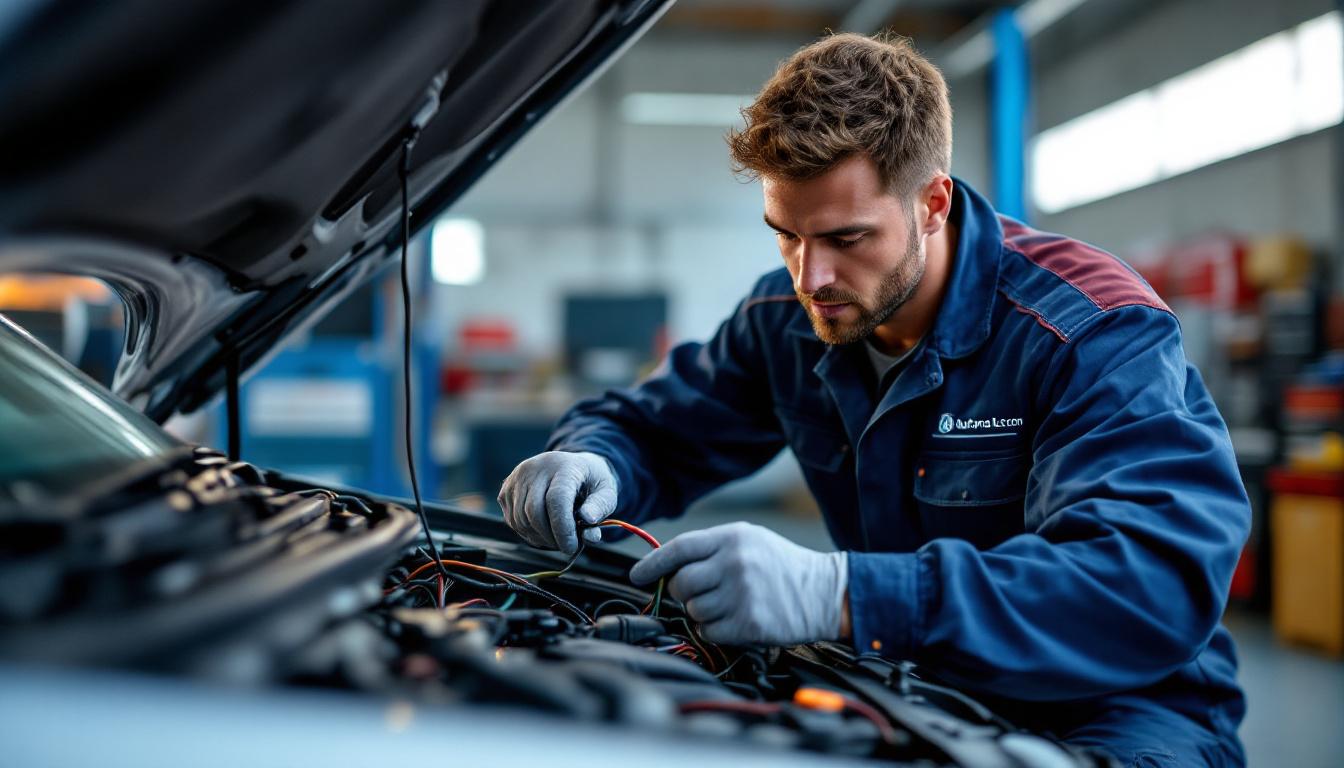
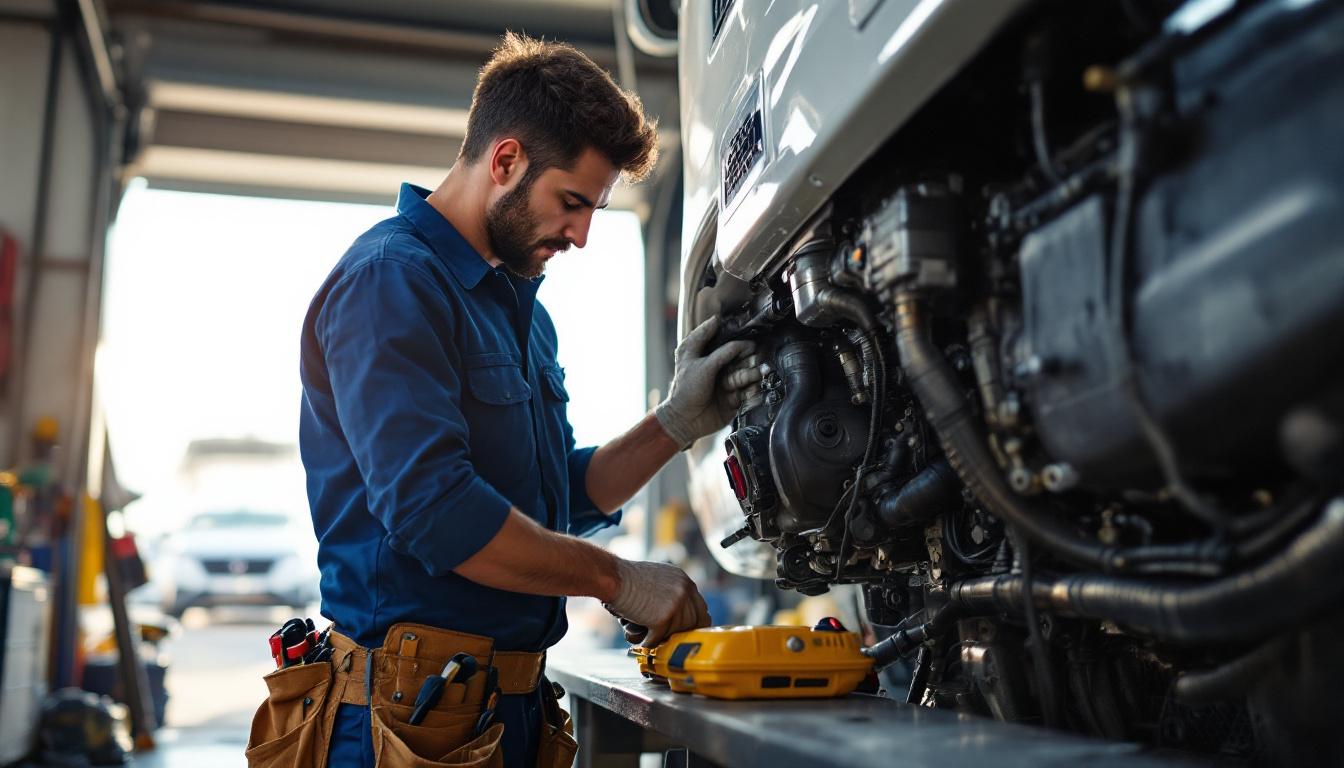
Graduates can work as vehicle maintenance technicians in various settings such as repair shops, car dealerships, fleet management companies, or transportation services. The automotive industry and related sectors often need skilled technicians to maintain and repair vehicles efficiently. The job market generally offers opportunities, especially for those with practical skills and certifications. Technicians may specialize in areas like engine repair, electrical systems, or diagnostics. The role involves problem-solving, working with tools and technology, and sometimes customer interaction. Career stability depends on keeping skills updated with evolving vehicle technologies.
- Jobs include vehicle maintenance technician and automotive repair specialist.
- Employers range from repair shops to car dealerships.
- The transportation sector also recruits technicians.
- Technicians may specialize in engine or electrical systems.
- Ongoing training is important to stay current with new vehicle technologies.



Careers after further study
These careers require a higher level of study than this degree.
Continuing your studies
After earning this bachelor's degree, students may choose to continue their education in related fields such as automotive engineering, industrial technology, or business management focused on automotive services. Some may pursue certifications or specialized training to deepen expertise in areas like hybrid vehicles or advanced diagnostics. Others might consider transferring credits to master's programs if they want to move into research or management roles. Reorientation to other technical or engineering disciplines is also possible depending on interests and academic performance.
- Possible further studies include automotive engineering or industrial technology.
- Specialized certifications can enhance skills in hybrid or electric vehicles.
- Some graduates continue with master's degrees in related fields.
- Reorientation to other technical disciplines is an option.
Where to study this degree (22)















Liste des 22 établissements
- Brigham Young University - IdahoRexburg
- Southeastern Oklahoma State UniversityDurant
- Moody Bible InstituteChicago
- Embry–Riddle Aeronautical UniversityDaytona Beach
- Montana State University–NorthernHavre
- Antelope Valley CollegeLancaster
- Rio Hondo CollegeWhittier
- SUNY MorrisvilleMorrisville
- Walla Walla UniversityCollege Place
- Centralia CollegeCentralia
- Vaughn College of Aeronautics and TechnologyFlushing
- Benjamin Franklin Institute of TechnologyBoston
- Southern Adventist UniversityCollegedale
- Siena Heights UniversityAdrian
- Lewis Clark State CollegeLewiston
- Calvary UniversityKansas City
- Utah State UniversityLogan
- Kent State University at KentKent
- Kansas State UniversityManhattan
- Western Michigan UniversityKalamazoo
- Idaho State UniversityPocatello
- Southern Illinois University CarbondaleCarbondale
Frequently asked questions
What prior knowledge is needed to start this degree?
Students should have a high school diploma and basic skills in math and science. Interest in mechanics and technology is important, but no specific prior experience is required.
Are there practical training opportunities during the program?
Yes, the program includes hands-on workshops and often internships or work placements to gain real-world experience with vehicles and repair tools.
Can I work while studying this degree?
Some institutions may allow part-time work or cooperative education, but the program itself is not typically structured as an apprenticeship or alternating study-work format.
What types of vehicles will I learn to work on?
The focus is mainly on cars and light trucks, covering mechanical and electrical systems common in personal and commercial vehicles.
Is this degree recognized across the United States?
Yes, it follows US educational standards and prepares students for technician roles in various states, though specific certifications may vary by region.
What career advancement options are available after graduation?
Graduates can specialize further, pursue certifications, or continue studies in engineering or management to access higher-level positions.
Does the program teach about new vehicle technologies?
Yes, students learn about evolving technologies such as vehicle electronics and environmental standards, preparing them for modern automotive challenges.
Is this degree suitable for someone who wants to manage a repair shop?
While the degree focuses on technical skills, it includes some training in customer communication and workplace practices, which can support future management roles.