Bachelor's Degree in Physics
A Bachelor's Degree in Physics teaches fundamental concepts of physics and develops analytical skills, preparing students for careers in research, engineering, or further studies.
About
The Bachelor's Degree in Physics is an undergraduate program in the United States that lasts four years. It is designed for students interested in understanding the laws that govern the natural world through mathematics and experimentation. This degree suits those who enjoy problem-solving and scientific inquiry. Graduates gain a solid foundation in physics principles and develop skills useful in various scientific and technical fields.
- The program covers core topics like classical mechanics, electromagnetism, and quantum physics.
- It is aimed at students who have a strong interest in science and math and want to pursue careers in science, technology, or education.
- Completing this degree can lead to jobs in research, engineering, data analysis, or further study in graduate programs.
- The degree also helps develop critical thinking and technical skills valued in many industries.
What you study
The curriculum is structured to build knowledge progressively over four years, starting with foundational courses and advancing to specialized topics. Practical work is an important part of the program, allowing students to apply theories through experiments and projects.
- Early years focus on basic physics principles, calculus, and laboratory skills.
- Later years introduce advanced subjects like thermodynamics, quantum mechanics, and statistical physics.
- Students participate in laboratory sessions to gain hands-on experience with scientific instruments.
- Courses often include problem-solving workshops and group projects to develop collaboration skills.
- Some programs may offer elective courses in related fields such as computer science or engineering.
How to get in
Admission to a Bachelor's Degree in Physics in the US generally requires a high school diploma with strong grades in math and science. The selection process varies by university but often includes an application, transcripts, and sometimes standardized test scores.
- Applicants should have completed high school courses in mathematics, physics, and chemistry.
- Universities may require SAT or ACT test scores as part of the application.
- Some programs look for students with demonstrated interest or experience in science through clubs or projects.
- Admission is competitive but accessible to motivated students with a solid academic background.
Day to day
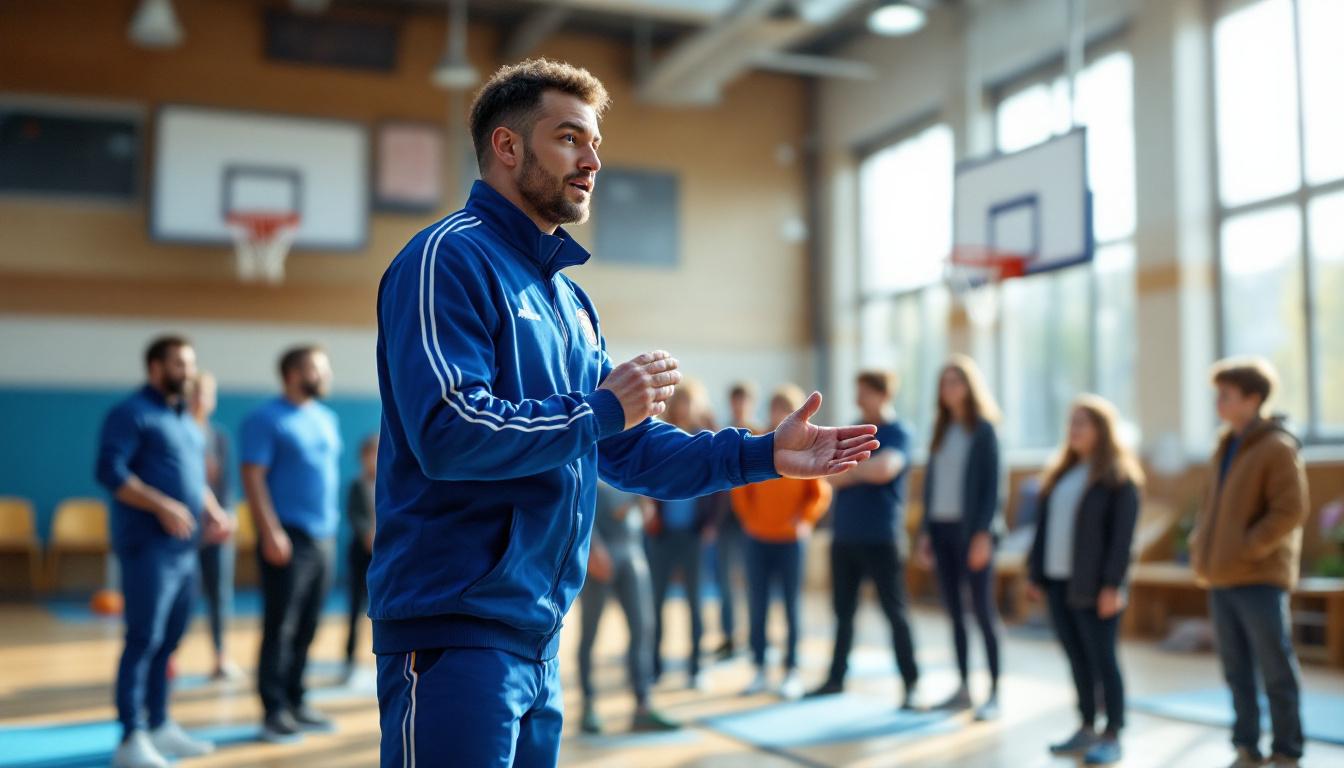
The academic year typically combines lectures, laboratory sessions, and study periods. Students work on individual and group assignments and may engage in research projects or internships.
- Students attend lectures several times a week covering theory and concepts.
- Laboratory classes provide practical experience with experiments and data analysis.
- Projects and presentations help develop communication and teamwork skills.
- Some students seek summer internships or research opportunities to gain real-world experience.
- Alternance (work-study) is generally not common in US physics undergraduate programs.
Careers this degree leads to
Graduates with a Bachelor's Degree in Physics can find opportunities in various sectors, although many choose to continue their studies. The degree opens doors to technical and scientific roles.
- Possible careers include research assistant, laboratory technician, or data analyst.
- Industries such as technology, engineering, education, and energy often recruit physics graduates.
- The degree provides a strong foundation for graduate studies in physics, engineering, or related fields.
- Job entry may require additional training or education depending on the sector.





Careers after further study
These careers require a higher level of study than this degree.






Continuing your studies
After completing the bachelor's degree, students can pursue graduate studies to specialize further or enter professional fields. Options include master's or doctoral programs in physics or related disciplines.
- Graduate school allows deeper study in areas like astrophysics, materials science, or applied physics.
- Some graduates may shift to engineering, computer science, or education programs.
- Professional degrees or certifications can also complement the physics background.
Where to study this degree (200)



Liste des 200 établissements
- Assumption CollegeWorcester
- University of Arkansas at Pine BluffPine Bluff
- Cabrillo CollegeAptos
- Bridgewater State UniversityBridgewater
- Angelina CollegeLufkin
- Kankakee Community CollegeKankakee
- Galveston CollegeGalveston
- Bunker Hill Community CollegeBoston
- Northern Arizona UniversityFlagstaff
- Florida Memorial UniversityMiami Gardens
- Thiel CollegeGreenville
- Shawnee State UniversityPortsmouth
- Southern Connecticut State UniversityNew Haven
- Viterbo UniversityLa Crosse
- Davidson CollegeDavidson
- Trinity Valley Community CollegeAthens
- Bard CollegeAnnandale-On-Hudson
- University of PennsylvaniaPhiladelphia
- University of California-Santa BarbaraSanta Barbara
- Irvine Valley CollegeIrvine
- New York UniversityNew York
- University of California-BerkeleyBerkeley
- University of Washington-Seattle CampusSeattle
- University of Colorado BoulderBoulder
- The University of Texas at AustinAustin
- University of California-IrvineIrvine
- Massachusetts Institute of TechnologyCambridge
- University of ArizonaTucson
- University of California-Los AngelesLos Angeles
- University of Maryland-College ParkCollege Park
- University of Illinois Urbana-ChampaignUrbana
- Johns Hopkins UniversityBaltimore
- Stanford UniversityStanford
- Ohio State University-Main CampusColumbus
- University of California-DavisDavis
- Stony Brook UniversityStony Brook
- Michigan State UniversityEast Lansing
- Pennsylvania State University-Main CampusUniversity Park
- University of California-San DiegoLa Jolla
- University of Michigan-Ann ArborAnn Arbor
- Georgia Institute of Technology-Main CampusAtlanta
- Harvard UniversityCambridge
- University of Wisconsin–MadisonMadison
- University of ChicagoChicago
- Cornell UniversityIthaca
- University of North Carolina at Chapel HillChapel Hill
- Purdue University West LafayetteWest Lafayette
- Texas A & M University-College StationCollege Station
- Saddleback CollegeMission Viejo
- Yale UniversityNew Haven
- Moorpark CollegeMoorpark
- Rensselaer Polytechnic InstituteTroy
- Virginia TechBlacksburg
- Arizona State University Campus ImmersionTempe
- Brown UniversityProvidence
- Rutgers University-New BrunswickNew Brunswick
- University of Massachusetts-AmherstAmherst
- University of RochesterRochester
- Rochester Institute of TechnologyRochester
- William & MaryWilliamsburg
- University of Minnesota-Twin CitiesMinneapolis
- Boston UniversityBoston
- University of Alabama in HuntsvilleHuntsville
- Florida State UniversityTallahassee
- University of Central FloridaOrlando
- University of Virginia-Main CampusCharlottesville
- University of FloridaGainesville
- California Polytechnic State UniversitySan Luis Obispo
- University of UtahSalt Lake City
- Brigham Young UniversityProvo
- Princeton UniversityPrinceton
- Oregon State UniversityCorvallis
- University of California, RiversideRiverside
- Duke UniversityDurham
- Los Angeles Pierce CollegeWoodland Hills
- East Texas A&M UniversityCommerce
- University of California-Santa CruzSanta Cruz
- The University of Texas at ArlingtonArlington
- University of Notre DameNotre Dame
- College of the CanyonsSanta Clarita
- University of New Mexico-Main CampusAlbuquerque
- California State University, Long BeachLong Beach
- University of South FloridaTampa
- United States Naval AcademyAnnapolis
- Case Western Reserve UniversityCleveland
- Illinois State UniversityNormal
- The University of Texas at DallasRichardson
- Columbia College ChicagoChicago
- University of OregonEugene
- Carnegie Mellon UniversityPittsburgh
- University of Tennessee at KnoxvilleKnoxville
- Bakersfield CollegeBakersfield
- California State Polytechnic UniversityPomona
- Wesleyan UniversityMiddletown
- St. Olaf CollegeNorthfield
- Orange Coast CollegeCosta Mesa
- Northeastern UniversityBoston
- Rowan UniversityGlassboro
- Columbia UniversityNew York
- California Institute of TechnologyPasadena
- The University of Texas at San AntonioSan Antonio
- Northwestern UniversityEvanston
- University of HoustonHouston
- Santa Barbara City CollegeSanta Barbara
- Colgate UniversityHamilton
- Bethel UniversitySaint Paul
- Whitworth UniversitySpokane
- University of ArkansasFayetteville
- Central Washington UniversityEllensburg
- College of New JerseyEwing
- Haverford CollegeHaverford
- University of ConnecticutStorrs
- Southern Arkansas UniversityMagnolia
- College of San MateoSan Mateo
- Hunter CollegeNew York
- Chaffey CollegeRancho Cucamonga
- Boise State UniversityBoise
- West Valley CollegeSaratoga
- Georgia State UniversityAtlanta
- Louisiana State University and Agricultural & Mechanical CollegeBaton Rouge
- El Camino CollegeTorrance
- CUNY Graduate School and University CenterNew York
- University of Massachusetts LowellLowell
- Pasadena City CollegePasadena
- Pomona CollegeClaremont
- Macalester CollegeSaint Paul
- Rice UniversityHouston
- Hamilton CollegeClinton
- Clemson UniversityClemson
- Antelope Valley CollegeLancaster
- University of Pittsburgh-Pittsburgh CampusPittsburgh
- San Diego State UniversitySan Diego
- Indiana University BloomingtonBloomington
- Roanoke CollegeSalem
- Appalachian State UniversityBoone
- Golden West CollegeHuntington Beach
- Hartnell CollegeSalinas
- Oberlin CollegeOberlin
- Liberty UniversityLynchburg
- Texas State UniversitySan Marcos
- University of Nevada, RenoReno
- San Francisco State UniversitySan Francisco
- Clovis Community CollegeFresno
- Los Angeles Valley CollegeValley Glen
- Dartmouth CollegeHanover
- North Carolina State UniversityRaleigh
- Idaho State UniversityPocatello
- Brigham Young University - IdahoRexburg
- Bowdoin CollegeBrunswick
- Texas Tech UniversityLubbock
- Binghamton UniversityBinghamton
- Middlebury CollegeMiddlebury
- Diablo Valley CollegePleasant Hill
- University of Missouri-ColumbiaColumbia
- Ohio University LancasterAthens
- University of Maryland-Baltimore CountyBaltimore
- West Virginia UniversityMorgantown
- Syracuse UniversitySyracuse
- University of North TexasDenton
- Harvey Mudd CollegeClaremont
- Western Washington UniversityBellingham
- SUNY GeneseoGeneseo
- Mt. San Jacinto CollegeSan Jacinto
- Portland State UniversityPortland
- Williams CollegeWilliamstown
- University at BuffaloBuffalo
- Cypress CollegeCypress
- Glendale Community CollegeGlendale
- Oxnard CollegeOxnard
- University of North Carolina at CharlotteCharlotte
- University of IowaIowa City
- Folsom Lake CollegeFolsom
- Grinnell CollegeGrinnell
- Worcester Polytechnic InstituteWorcester
- Los Angeles Harbor CollegeWilmington
- University of KansasLawrence
- San Jose State UniversitySan Jose
- University of AlabamaTuscaloosa
- University of OklahomaNorman
- Norco CollegeNorco
- University of Southern CaliforniaLos Angeles
- California State University Los AngelesLos Angeles
- University of Washington BothellBothell
- University of CincinnatiCincinnati
- San Diego Mesa CollegeSan Diego
- California State University, San BernardinoSan Bernardino
- Florida International UniversityMiami
- Vanderbilt UniversityNashville
- Amherst CollegeAmherst
- Tufts UniversityMedford
- Santiago Canyon CollegeOrange
- Colby CollegeWaterville
- Iowa State UniversityAmes
- Carleton CollegeNorthfield
- Kenyon CollegeGambier
- University of North FloridaJacksonville
- Bates CollegeLewiston
- Seton Hall UniversitySouth Orange
- Sierra CollegeRocklin
- Virginia Commonwealth UniversityRichmond
Frequently asked questions
What kind of math skills are needed for this degree?
Students should have a strong background in algebra, calculus, and basic mathematical reasoning, as these are essential for understanding physics concepts.
Are there opportunities for internships during the program?
Yes, many students seek internships or research projects during summer breaks to gain practical experience, although these are not always part of the formal curriculum.
Can I work while studying this degree?
While students may work part-time, the program requires significant study and lab time, so balancing work and study can be challenging.
Is this degree suitable for someone interested in engineering?
Yes, the physics degree provides a strong foundation in scientific principles that are relevant to many engineering fields.
What is the difference between this degree and an engineering degree?
A physics degree focuses more on understanding fundamental laws and theories, while engineering degrees emphasize applying these principles to design and build technologies.
Do I need to continue studying after this degree to find a job?
Some jobs are available with a bachelor's degree, but many graduates choose to pursue graduate studies to access more specialized or advanced positions.
Is the program mostly theoretical or practical?
The program combines both theory and practical laboratory work, with experiments helping to illustrate and test the concepts learned in class.
Can I switch to another major if I find physics too difficult?
Many universities allow students to change majors during the first years, but it is important to consult academic advisors early to understand the implications.
