Bachelor's Degree in Nuclear Engineering
A Bachelor's Degree in Nuclear Engineering teaches the principles of nuclear science and engineering, preparing students for careers in energy, research, and safety sectors.
About
This degree is designed for students interested in the science and technology of nuclear energy and its applications. It provides a solid foundation in physics, engineering, and safety related to nuclear systems. The program suits those who enjoy problem-solving and want to work in industries such as energy production, healthcare, or research. Graduates can pursue roles in designing nuclear reactors, managing radiation safety, or contributing to nuclear policy and regulation.
- The program covers fundamental nuclear physics and engineering principles.
- It is intended for students with a strong interest in science and mathematics.
- Graduates can work in sectors like energy production, medical applications, or government agencies.
- The degree prepares students for technical and research roles in the nuclear field.
- It is offered by universities across the United States with specialized nuclear engineering departments.
What you study
The curriculum spans four years and combines theoretical knowledge with practical experience. Early years focus on core subjects like mathematics, physics, and general engineering. As students progress, they study specialized topics such as reactor design, radiation protection, and nuclear materials. Labs and projects are integral, allowing students to apply concepts in real-world scenarios. Some programs include computer simulations and hands-on experiments with nuclear technology. The final years often involve advanced electives and a capstone project or research thesis to deepen expertise.
- First years emphasize calculus, physics, and general engineering.
- Later courses cover reactor physics, radiation safety, and nuclear materials.
- Students participate in laboratory work and simulation exercises.
- Projects and team work develop practical problem-solving skills.
- The program ends with a capstone project or research experience.
How to get in
Admission to a nuclear engineering bachelor's program in the US generally requires a high school diploma with strong grades in math and science. The application process includes submitting transcripts, standardized test scores like the SAT or ACT, and sometimes letters of recommendation. Universities look for students who show aptitude in physics and mathematics and an interest in engineering fields. Some programs may have competitive admission due to limited spots or specialized focus.
- Applicants need a high school diploma with emphasis on math and science.
- Standardized tests such as SAT or ACT scores are often required.
- Strong performance in physics and calculus is important.
- Some universities request recommendation letters or personal statements.
- Admission can be selective depending on the institution.
Day to day
Students typically attend lectures, labs, and discussion sessions throughout the academic year. The workload includes homework, exams, and group projects. Many programs encourage or require internships during summer breaks to gain industry experience. Students may also engage in research projects or participate in engineering clubs and competitions. The schedule is demanding but offers opportunities to apply learning in practical settings. Some universities offer cooperative education programs combining study and work experience.
- The academic year involves lectures, labs, and project work.
- Students complete assignments and prepare for exams regularly.
- Internships or summer work placements are common.
- Participation in research or engineering clubs enhances skills.
- Some programs offer co-op options blending study and work.
Careers this degree leads to
Graduates can find jobs in various sectors that use nuclear technology or require expertise in radiation and safety. Common employers include energy companies operating nuclear power plants, government agencies overseeing nuclear regulation, and firms involved in medical imaging or radiation therapy. The job market generally values graduates for their technical skills and understanding of safety standards. Entry-level positions often involve supporting reactor operations, safety assessments, or research projects. Career growth can lead to specialized engineering roles or management positions.
- Jobs are available in nuclear power plants and energy companies.
- Government agencies hire graduates for regulation and safety oversight.
- Medical and industrial sectors use nuclear engineers for radiation applications.
- Initial roles include technical support and research assistance.
- Career paths can advance toward specialist or managerial roles.


Careers after further study
These careers require a higher level of study than this degree.






Continuing your studies
After earning the bachelor's degree, students can continue their studies with master's or doctoral programs in nuclear engineering or related fields like mechanical engineering or physics. Further education allows specialization in areas such as reactor design, nuclear safety, or medical physics. Some graduates may also choose to shift toward broader engineering disciplines or energy policy studies. Graduate studies often involve more research and can open doors to academic or high-level industry positions.
- Master's degrees in nuclear engineering or related fields are common next steps.
- Doctoral programs allow for advanced research specialization.
- Students may also pursue engineering or energy policy studies.
- Graduate education supports careers in research and academia.
Where to study this degree (41)
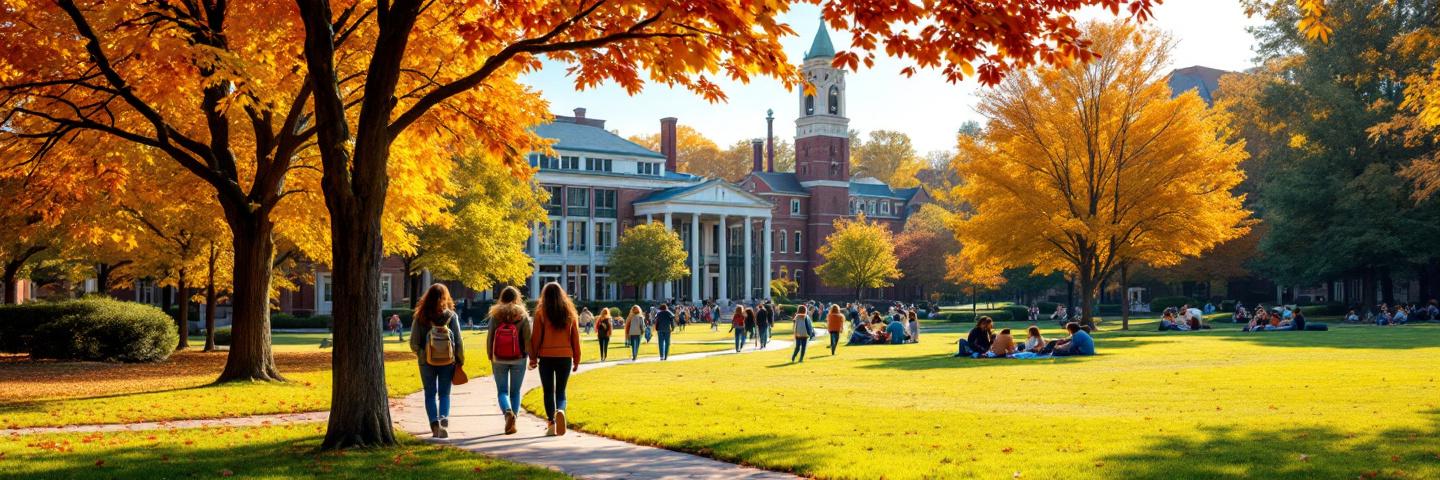






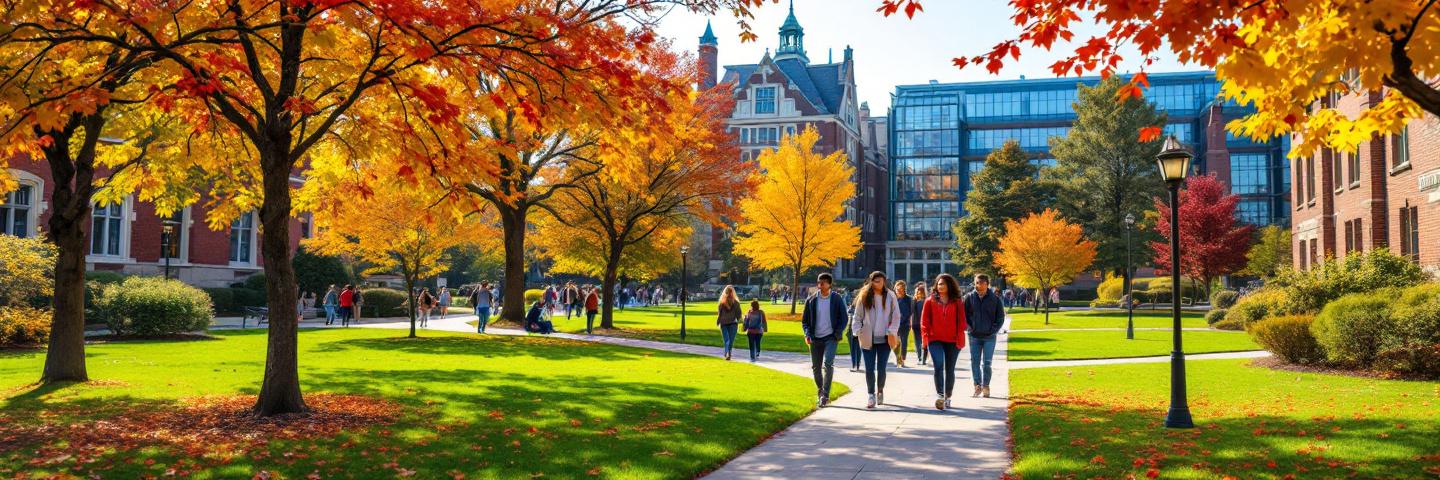
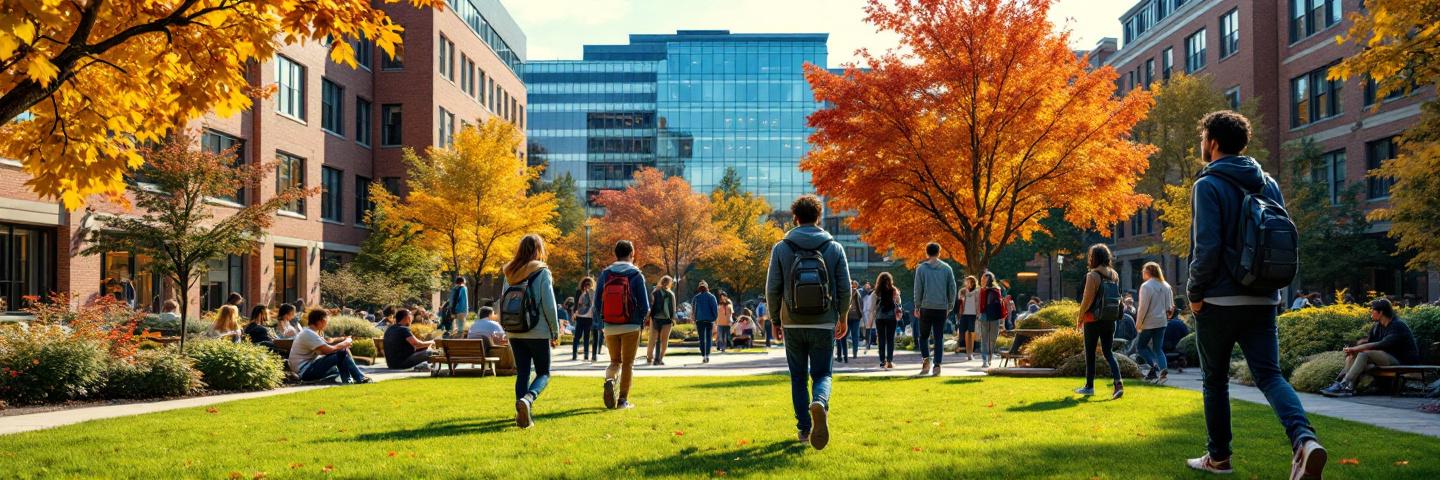
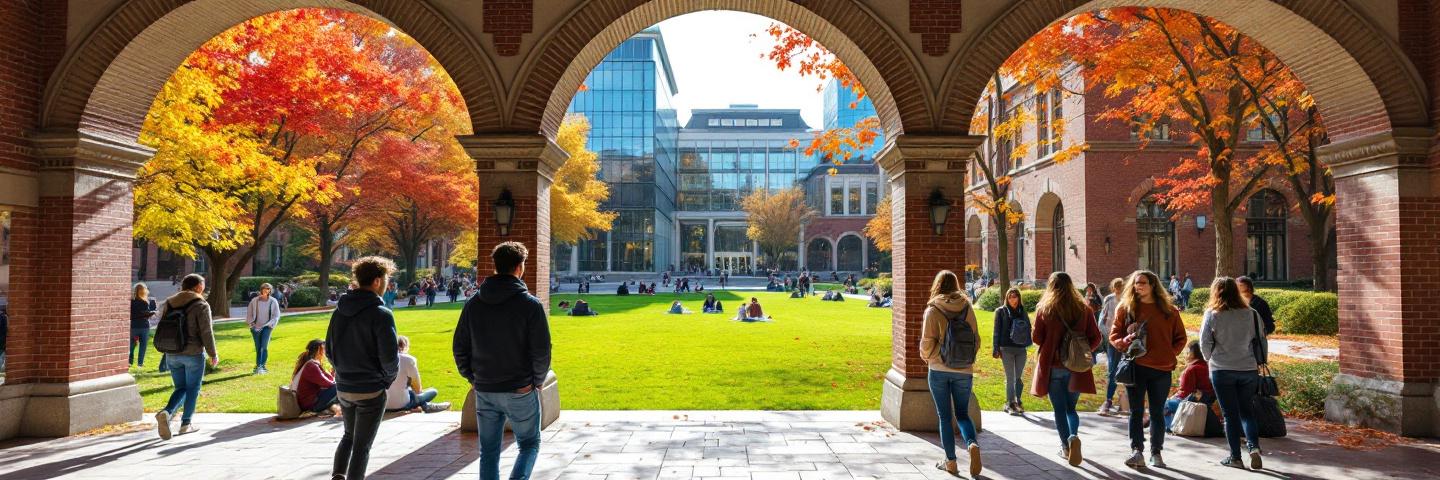
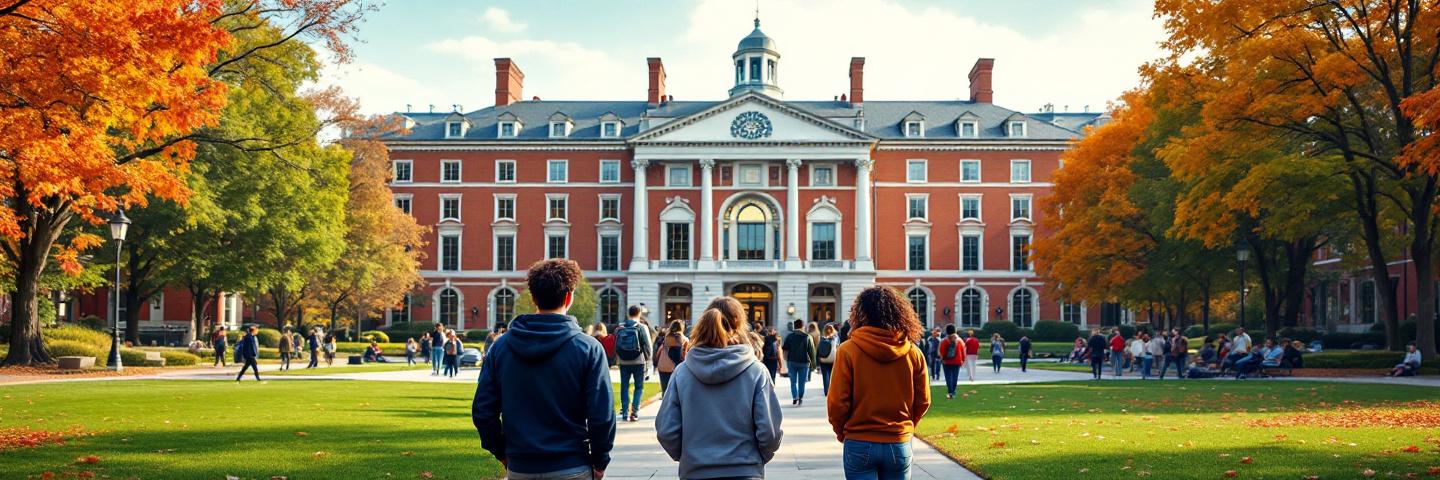



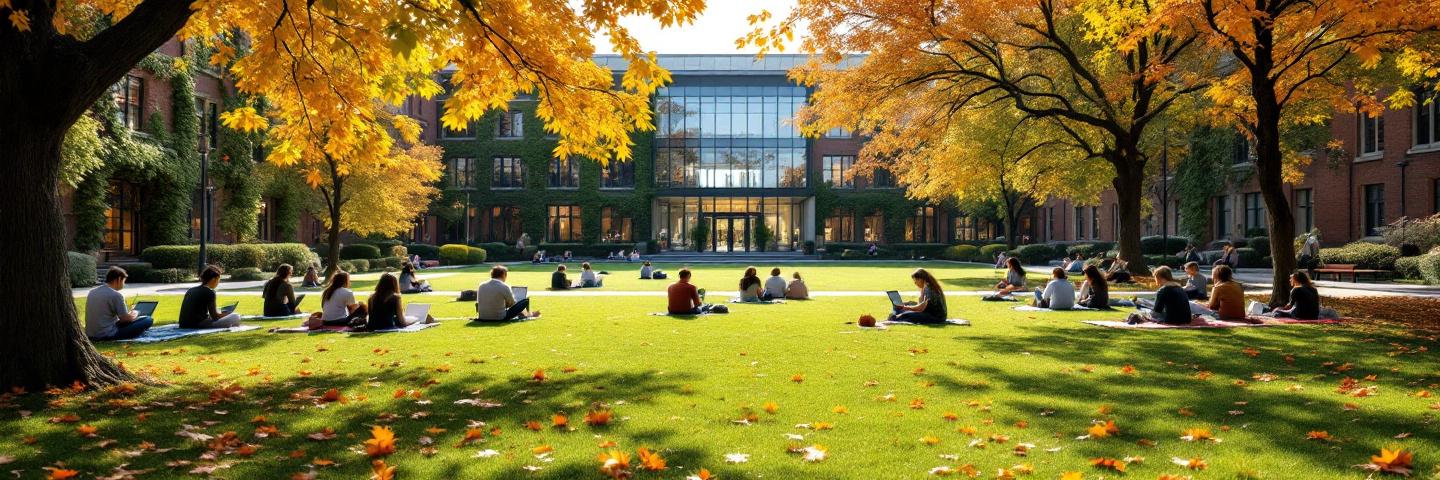

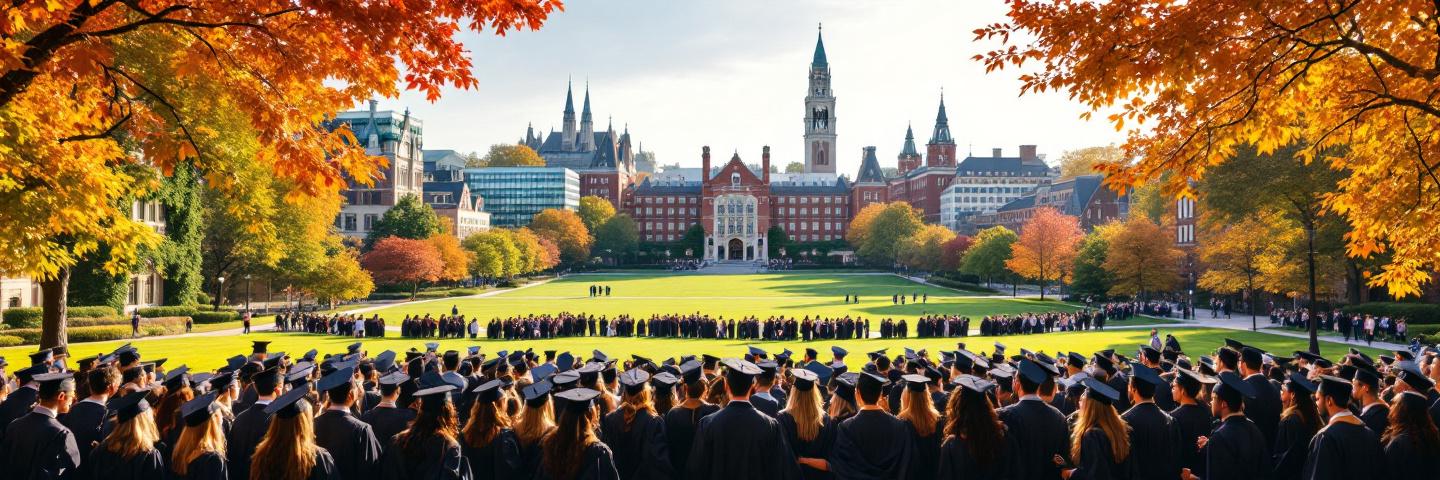


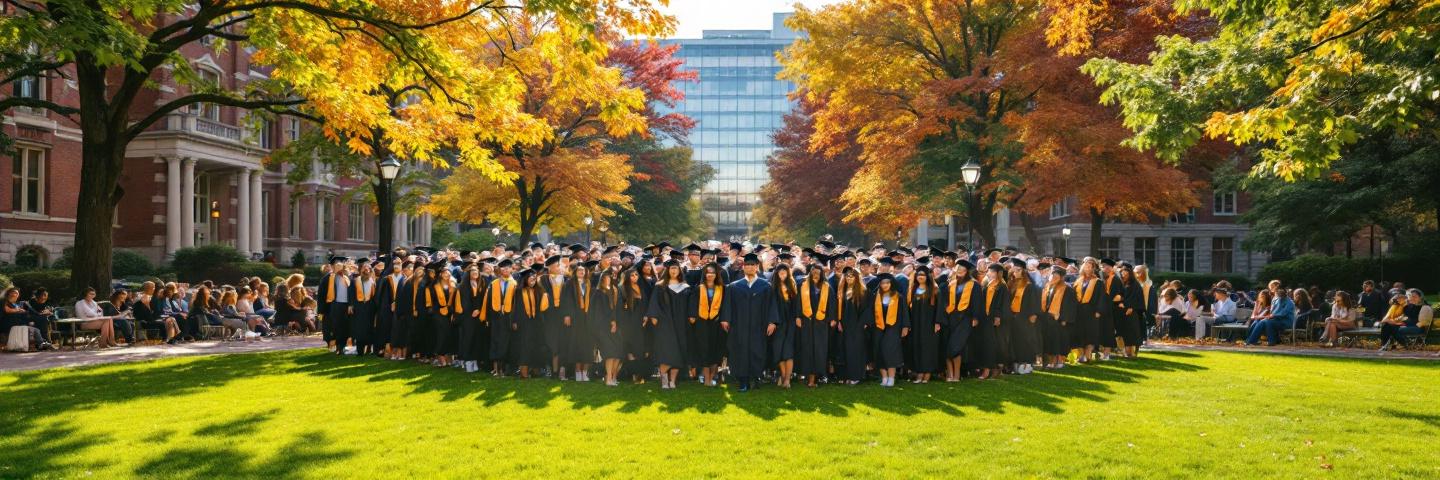
Liste des 41 établissements
- Texas A & M University-College StationCollege Station
- University of Tennessee at KnoxvilleKnoxville
- Pennsylvania State University-Main CampusUniversity Park
- University of Illinois Urbana-ChampaignUrbana
- North Carolina State UniversityRaleigh
- Missouri University of Science and TechnologyRolla
- Purdue University West LafayetteWest Lafayette
- Oregon State UniversityCorvallis
- United States Military AcademyWest Point
- United States Naval AcademyAnnapolis
- University of Wisconsin–MadisonMadison
- Rensselaer Polytechnic InstituteTroy
- University of Michigan-Ann ArborAnn Arbor
- Massachusetts Institute of TechnologyCambridge
- Air Force Institute of Technology-Graduate School of Engineering & ManagementWright-Patterson AFB
- University of FloridaGainesville
- Georgia Institute of Technology-Main CampusAtlanta
- University of California-BerkeleyBerkeley
- Pennsylvania State University-World CampusUniversity Park
- University of New Mexico-Main CampusAlbuquerque
- Idaho State UniversityPocatello
- Ohio State University-Main CampusColumbus
- University of IdahoMoscow
- Virginia TechBlacksburg
- Naval Postgraduate SchoolMonterey
- Kansas State UniversityManhattan
- University of UtahSalt Lake City
- University of Pittsburgh-Pittsburgh CampusPittsburgh
- Colorado School of MinesGolden
- South Carolina State UniversityOrangeburg
- University of Missouri-ColumbiaColumbia
- University of South Carolina-ColumbiaColumbia
- University at BuffaloBuffalo
- Washington State UniversityPullman
- University of Maryland-College ParkCollege Park
- University of Washington-Seattle CampusSeattle
- Cornell UniversityIthaca
- Worcester Polytechnic InstituteWorcester
- University of AkronAkron
- Oregon State University CascadesBend
- Wilberforce UniversityWilberforce
Frequently asked questions
What background is needed to study nuclear engineering?
Students should have a strong foundation in mathematics and physics from high school. Interest in science and engineering is important to succeed in the program.
Are internships part of the program?
Many programs encourage or require internships to provide practical experience in industry or research settings, often during summer breaks.
Can I work while studying nuclear engineering?
While full-time study is demanding, some students may find part-time jobs or cooperative education opportunities related to their field.
What kind of jobs can I get after graduation?
Graduates can work in nuclear power plants, government agencies, medical sectors, or research institutions in roles related to engineering, safety, and technology.
Is this degree recognized internationally?
The degree is generally recognized in countries with nuclear industries, but specific job requirements may vary by location.
Can I continue studies after this bachelor's degree?
Yes, many graduates pursue master's or doctoral degrees to specialize further or engage in research and advanced engineering roles.
Is the program very competitive to get into?
Admission can be selective depending on the university, especially for programs with limited places or strong reputations.
Does the program include practical laboratory work?
Yes, laboratory sessions and simulation exercises are integral parts of the curriculum to help students apply theoretical knowledge.
