Bachelor's Degree in Mining and Mineral Engineering
This 4-year Bachelor's Degree in Mining and Mineral Engineering teaches students about extracting and processing minerals, preparing them for careers in mining industries and resource management.
About
This Bachelor's Degree in Mining and Mineral Engineering is a four-year undergraduate program in the United States. It is designed for students interested in the science and technology behind mining natural resources and managing mineral extraction processes. The degree prepares graduates to work in various roles within the mining sector, including engineering, safety, and environmental management.
- The program targets students who have completed high school and want to pursue a technical and scientific career related to mining.
- It offers foundational knowledge in geology, engineering principles, and mineral processing.
- Graduates can become mining engineers, mineral processing specialists, or work in resource management and environmental safety.
- The degree combines theoretical learning with practical applications relevant to the mining industry.
- It is suitable for those interested in working outdoors, in industrial settings, or in research related to mineral resources.
What you study
The curriculum spans four years, combining core engineering courses with specialized mining topics. Early years focus on general engineering, mathematics, and basic geology. As students progress, they study mineral extraction techniques, mine design, and environmental considerations.
- Students learn about geology, mineral processing, and mine safety through lectures and labs.
- The program includes computer-aided design and project management related to mining operations.
- Practical work such as field trips and laboratory experiments is integrated to apply theoretical knowledge.
- Advanced courses cover rock mechanics, ventilation, and environmental impact assessment.
- Some universities may offer opportunities for internships or cooperative education to gain industry experience.
How to get in
Admission to this Bachelor's program in the US generally requires a high school diploma or equivalent with a strong background in math and science. The application process is managed by individual universities and often includes submission of transcripts, standardized test scores, and personal statements.
- Applicants should have completed courses in mathematics and science during high school.
- Some programs may require SAT or ACT scores as part of the application.
- Universities look for students with an interest in engineering and natural sciences.
- Admission can be competitive depending on the institution, with some programs being more selective.
- International students must meet additional language proficiency requirements.
Day to day
The academic year typically includes lectures, laboratory sessions, and fieldwork. Students engage in projects that simulate real mining engineering challenges and may participate in internships during summer breaks.
- Students attend lectures and labs several times a week to learn theory and practice.
- Field trips to mining sites or geological formations help understand real-world conditions.
- Group projects develop teamwork and problem-solving skills related to mining operations.
- Internships or cooperative education placements provide hands-on experience in mining companies.
- The workload balances classroom learning with practical assignments and exams.
Careers this degree leads to
Graduates can find employment in mining companies, consulting firms, and government agencies involved in mineral resource management. The mining sector offers roles in engineering, safety, and environmental monitoring.
- Common jobs include mining engineer, mineral processing engineer, and environmental consultant.
- The mining industry recruits for positions in exploration, extraction, and site management.
- Employment often involves working in remote locations or industrial environments.
- The sector requires professionals who can ensure safety and sustainability in mining operations.
- Insertion into the workforce is generally steady, with opportunities linked to resource demand and economic factors.


Careers after further study
These careers require a higher level of study than this degree.
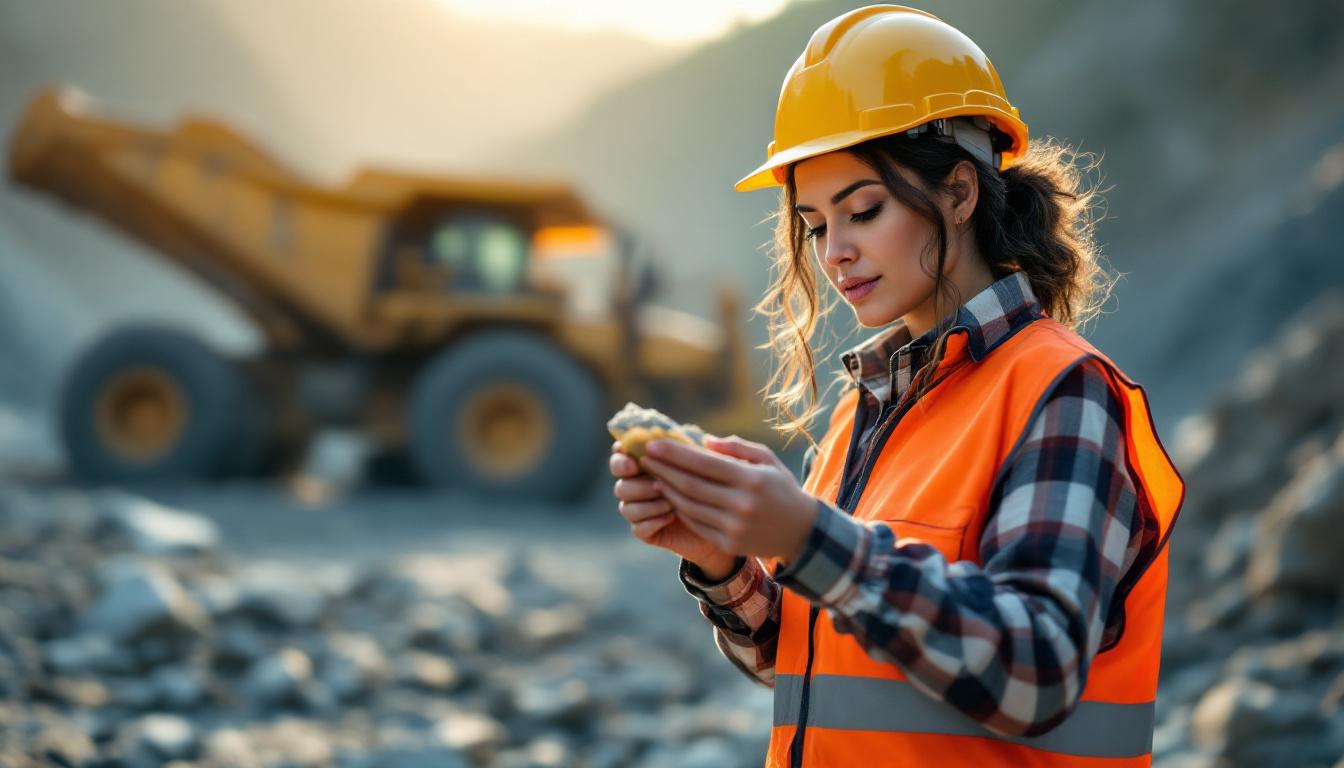





Continuing your studies
After obtaining this Bachelor's degree, students may choose to continue their studies in specialized Master's programs or professional certifications related to mining, geology, or environmental engineering.
- Advanced degrees can focus on mineral engineering, geotechnical engineering, or environmental management.
- Some graduates pursue research or teaching careers in universities.
- Professional licenses or certifications may be required for certain engineering roles.
- There are options to reorient towards related fields such as civil engineering or energy resource management.
Where to study this degree (19)









Liste des 19 établissements
- Virginia TechBlacksburg
- Colorado School of MinesGolden
- Missouri University of Science and TechnologyRolla
- University of KentuckyLexington
- West Virginia UniversityMorgantown
- University of ArizonaTucson
- South Dakota School of Mines and TechnologyRapid City
- University of UtahSalt Lake City
- New Mexico Institute of Mining and TechnologySocorro
- Pennsylvania State University-Main CampusUniversity Park
- Montana Technological UniversityButte
- Michigan Technological UniversityHoughton
- University of Alaska FairbanksFairbanks
- University of Nevada, RenoReno
- Utah State UniversityLogan
- Southern Illinois University CarbondaleCarbondale
- University of Washington-Seattle CampusSeattle
- University of Pittsburgh-Pittsburgh CampusPittsburgh
- Columbia UniversityNew York
Frequently asked questions
What kind of skills will I learn in this degree?
You will learn how to analyze geological data, design mining operations, manage safety and environmental risks, and use engineering tools like computer-aided design.
Is prior knowledge in mining necessary to apply?
No prior mining experience is required, but a strong background in math and science from high school is important.
Are there internships during the program?
Many programs encourage or require internships to gain practical experience in the mining industry.
Can I study this degree part-time or through alternance?
Typically, this degree is offered full-time; alternance or work-study options are not commonly available.
What jobs can I get after graduating?
Graduates can work as mining engineers, mineral processing engineers, environmental consultants, or safety officers in mining companies.
Can I continue studying after this degree?
Yes, you can pursue specialized Master's degrees or professional certifications in related engineering or environmental fields.
Is this degree recognized internationally?
The degree is recognized in the US and can be valuable internationally, especially in countries with mining industries.
What is the typical workload during the year?
Students balance lectures, labs, field trips, and projects, with a workload that requires regular study and practical engagement.
