Bachelor's Degree in Journalism
This Bachelor's Degree in Journalism teaches students how to research, write, and report news, preparing them for careers in media and communication.
About
The Bachelor's Degree in Journalism is a four-year undergraduate program in the United States designed for students interested in media, communication, and storytelling. It is aimed at those who want to develop skills in gathering information, writing news articles, and understanding the role of journalism in society. This degree prepares graduates to work in various media outlets such as newspapers, television, radio, and digital platforms. Students learn to analyze current events, conduct interviews, and produce content that informs the public. The program is suitable for young people who enjoy writing, critical thinking, and staying informed about the world.
- The degree lasts four years and leads to a bachelor's level qualification.
- It targets students interested in news reporting and media production.
- Graduates can pursue careers as journalists, reporters, or media analysts.
- The program emphasizes both theory and practical skills in communication.
- It helps develop critical thinking and ethical awareness in media work.
What you study
The curriculum of the Bachelor's Degree in Journalism covers a broad range of subjects that build progressively over the four years. Early courses focus on fundamentals like news writing, media ethics, and introduction to journalism. As students advance, they study specialized topics such as investigative reporting, multimedia storytelling, and digital media production. Practical experience is a key part of the program, with many courses including assignments like writing articles, producing video reports, and conducting interviews. Students also learn about media law, communication theories, and the impact of journalism on society. The final years often involve projects or internships that allow students to apply their skills in real-world settings.
- First years cover news writing, media ethics, and communication basics.
- Later years include investigative journalism and digital media courses.
- Students practice through writing assignments and multimedia projects.
- The program offers internships to gain professional experience.
- Courses address media law and journalistic ethics.
How to get in
Admission to a Bachelor's Degree in Journalism in the US typically requires a high school diploma or equivalent. Prospective students apply directly to universities or colleges offering the program. The selection process often includes submitting transcripts, standardized test scores, and sometimes a personal statement or portfolio demonstrating writing skills. Universities look for candidates with strong reading and writing abilities, curiosity about current events, and an interest in communication. Some programs may require letters of recommendation or interviews. The process is managed by each institution's admissions office and varies slightly depending on the school.
- Applicants must have a high school diploma or equivalent.
- Admission involves submitting academic transcripts and test scores.
- A writing sample or personal statement may be required.
- Universities seek students with strong communication skills.
- The process is handled by the university admissions office.
Day to day
The academic year in a journalism bachelor's program is usually divided into semesters or quarters, with students attending lectures, seminars, and workshops. The workload includes writing assignments, group projects, and presentations. Many programs encourage or require internships at media organizations, which provide hands-on experience in real newsroom environments. Students often work on campus media such as newspapers, radio, or TV stations to practice their skills. While full-time study is the norm, some schools may offer part-time options or cooperative education programs combining study and work.
- Students attend lectures, seminars, and workshops throughout the year.
- Assignments include writing articles and producing reports.
- Internships at media companies are common for gaining experience.
- Campus media outlets offer practical training opportunities.
- Some programs offer part-time or co-op options.
Careers this degree leads to
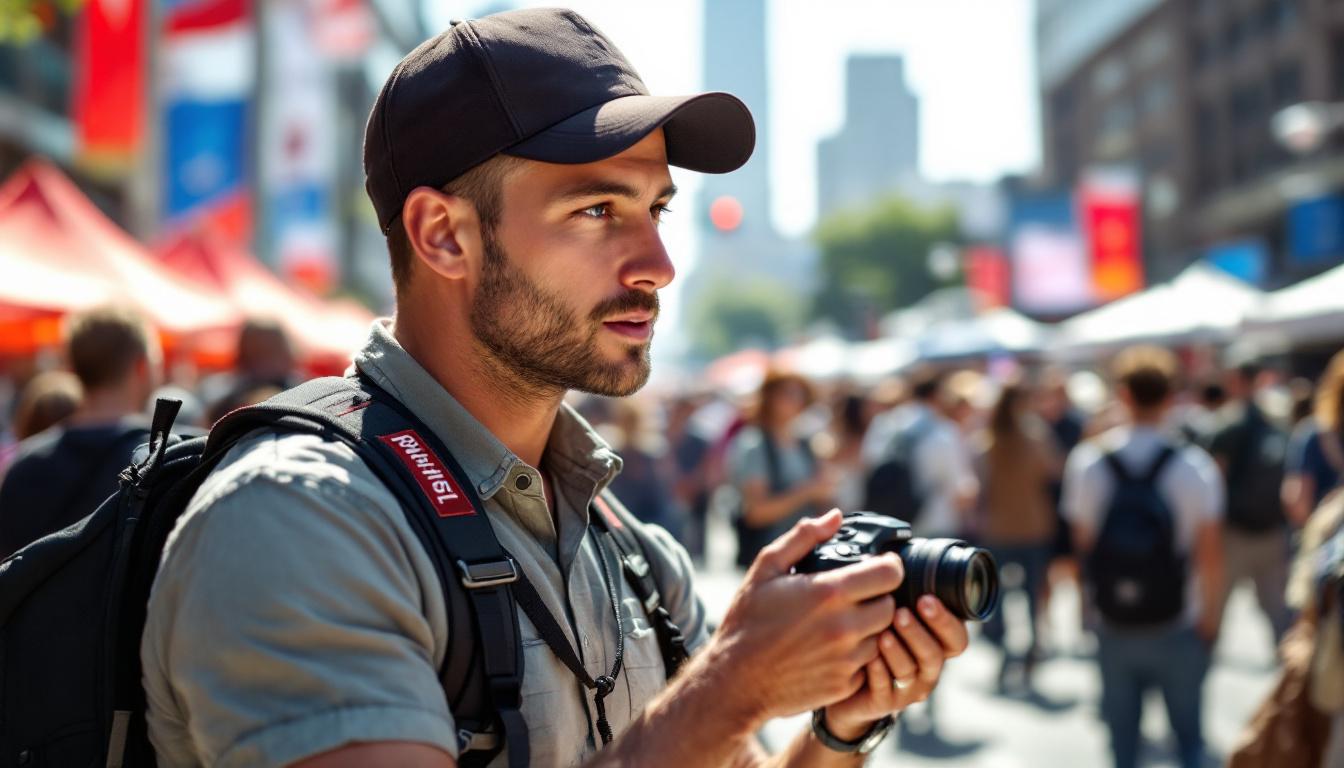
Graduates with a Bachelor's Degree in Journalism can work in various roles within the media and communication sectors. Common jobs include reporter, editor, news correspondent, and content producer for newspapers, TV, radio, or online platforms. The journalism field requires adaptability as media formats evolve with technology. Many employers value graduates who have practical experience through internships and campus media. The job market can be competitive, but those with strong writing and research skills often find employment relatively quickly. Journalism also opens doors to related fields such as public relations, communications, and media analysis.
- Typical jobs include reporter, editor, and news correspondent.
- Graduates find work in print, broadcast, and digital media.
- The field requires adaptability to new technologies.
- Practical experience helps with job placement.
- Related sectors include public relations and media consulting.





Careers after further study
These careers require a higher level of study than this degree.






Continuing your studies
After completing a Bachelor's Degree in Journalism, students can continue their studies by pursuing a master's degree in journalism, communication, or related fields. Advanced degrees allow for specialization in areas like investigative journalism, media management, or digital communication. Some graduates may also choose to study law, political science, or business to complement their media skills. Alternatively, students can enter the workforce directly and consider further education later. Universities often provide pathways for continuing education or professional development in journalism and media.
- Master's degrees in journalism or communication are common next steps.
- Specializations include investigative journalism and media management.
- Some pursue studies in law or political science to broaden skills.
- Others enter the workforce and return to education later.
- Continuing education options support professional growth.
Where to study this degree (200)




Liste des 200 établissements
- University of OregonEugene
- Belhaven UniversityJackson
- West Virginia UniversityMorgantown
- Eastern Oklahoma State CollegeWilburton
- Cornerstone UniversityGrand Rapids
- Concord UniversityAthens
- Randolph Community CollegeAsheboro
- Columbia College - South CarolinaColumbia
- Lincoln University - PennsylvaniaLincoln University
- Trinity Valley Community CollegeAthens
- Centenary College of New JerseyHackettstown
- Northwestern College - IowaOrange City
- The University of Texas at ArlingtonArlington
- Averett UniversityDanville
- University of Michigan–FlintFlint
- University of Wisconsin–SuperiorSuperior
- Herkimer CollegeHerkimer
- Bluffton UniversityBluffton
- Ball State UniversityMuncie
- Arapahoe Community CollegeLittleton
- West Virginia University at ParkersburgParkersburg
- Weber State UniversityOgden
- Central Baptist CollegeConway
- Cedarville UniversityCedarville
- Messiah UniversityMechanicsburg
- University of FloridaGainesville
- Jones County Junior CollegeEllisville
- Kuyper CollegeGrand Rapids
- Pacific Union CollegeAngwin
- University of the CumberlandsWilliamsburg
- Reedley CollegeReedley
- Paine CollegeAugusta
- Andrews UniversityBerrien Springs
- Hamline UniversitySaint Paul
- Western Texas CollegeSnyder
- Coahoma Community CollegeClarksdale
- University of IowaIowa City
- Howard UniversityWashington
- University of Missouri-ColumbiaColumbia
- Columbia UniversityNew York
- University of North TexasDenton
- University of OklahomaNorman
- University of Wisconsin–MadisonMadison
- University of KansasLawrence
- Pennsylvania State University-Main CampusUniversity Park
- San Diego State UniversitySan Diego
- Arizona State University Campus ImmersionTempe
- University of GeorgiaAthens
- Syracuse UniversitySyracuse
- Colorado State University-Fort CollinsFort Collins
- California State University, NorthridgeNorthridge
- Indiana University BloomingtonBloomington
- Ohio University LancasterAthens
- Rutgers University-New BrunswickNew Brunswick
- The University of Texas at AustinAustin
- Michigan State UniversityEast Lansing
- Georgia State UniversityAtlanta
- University of Maryland-College ParkCollege Park
- University of AlabamaTuscaloosa
- University of West GeorgiaCarrollton
- University of Southern CaliforniaLos Angeles
- Georgia College & State UniversityMilledgeville
- University of ArkansasFayetteville
- Boston UniversityBoston
- California State University, FresnoFresno
- University of Nebraska–LincolnLincoln
- Middle Tennessee State UniversityMurfreesboro
- University of Tennessee at KnoxvilleKnoxville
- Washington State UniversityPullman
- University of Nevada, RenoReno
- California State University, Long BeachLong Beach
- University of South Carolina-ColumbiaColumbia
- Brigham Young UniversityProvo
- University of Minnesota-Twin CitiesMinneapolis
- University of Massachusetts-AmherstAmherst
- University of ArizonaTucson
- Emerson CollegeBoston
- Morgan State UniversityBaltimore
- Temple UniversityPhiladelphia
- Kansas State UniversityManhattan
- University of Colorado BoulderBoulder
- Universidad del Sagrado CorazonSanturce
- Baylor UniversityWaco
- University of Central FloridaOrlando
- Utah State UniversityLogan
- Florida Agricultural and Mechanical UniversityTallahassee
- California Polytechnic State UniversitySan Luis Obispo
- Auburn UniversityAuburn
- University of Central OklahomaEdmond
- American UniversityWashington
- University of Illinois Urbana-ChampaignUrbana
- Western Kentucky UniversityBowling Green
- Texas State UniversitySan Marcos
- Hofstra UniversityHempstead
- George Washington UniversityWashington
- Baruch CollegeNew York
- University of KentuckyLexington
- University of HoustonHouston
- Western Washington UniversityBellingham
- Northern Kentucky UniversityHighland Heights
- Kent State University at KentKent
- Iowa State UniversityAmes
- Kennesaw State UniversityKennesaw
- New York UniversityNew York
- Northeastern UniversityBoston
- Stony Brook UniversityStony Brook
- Full Sail UniversityWinter Park
- Ohio State University-Main CampusColumbus
- Loyola Marymount UniversityLos Angeles
- Southern Methodist UniversityDallas
- Elon UniversityElon
- University of MississippiOxford
- Drake UniversityDes Moines
- Appalachian State UniversityBoone
- Texas Christian UniversityFort Worth
- Fordham UniversityBronx
- The University of Arizona Global CampusSan Diego
- University of MemphisMemphis
- Quinnipiac UniversityHamden
- Illinois State UniversityNormal
- San Jose State UniversitySan Jose
- Chapman UniversityOrange
- California State University, SacramentoSacramento
- University of Washington-Seattle CampusSeattle
- Samford UniversityBirmingham
- Marshall UniversityHuntington
- Radford UniversityRadford
- San Francisco State UniversitySan Francisco
- University of Wisconsin–WhitewaterWhitewater
- Texas Tech UniversityLubbock
- Savannah State UniversitySavannah
- Marquette UniversityMilwaukee
- New Mexico State UniversityLas Cruces
- DePaul UniversityChicago
- Loyola University ChicagoChicago
- Central Michigan UniversityMount Pleasant
- University of California-IrvineIrvine
- SUNY BrockportBrockport
- Northern Arizona UniversityFlagstaff
- Columbia College ChicagoChicago
- University of MiamiCoral Gables
- University of Rhode IslandKingston
- Montclair State UniversityMontclair
- The University of MontanaMissoula
- Onondaga Community CollegeSyracuse
- St. Bonaventure UniversitySaint Bonaventure
- Rowan UniversityGlassboro
- University of ConnecticutStorrs
- Metropolitan State University of DenverDenver
- St. John's UniversityQueens
- Harvard UniversityCambridge
- Oklahoma State University-Main CampusStillwater
- Flagler CollegeSaint Augustine
- Hampton UniversityHampton
- Georgetown UniversityWashington
- University of Arkansas at Little RockLittle Rock
- University of Nebraska at KearneyKearney
- Louisiana Tech UniversityRuston
- Belmont UniversityNashville
- Mercer UniversityMacon
- California State University, ChicoChico
- Miami University-OxfordOxford
- Augustana CollegeRock Island
- University of Southern MississippiHattiesburg
- Texas Southern UniversityHouston
- Ithaca CollegeIthaca
- Austin Peay State UniversityClarksville
- Creighton UniversityOmaha
- University at AlbanyAlbany
- University of DenverDenver
- Rutgers University-NewarkNewark
- University of Puerto Rico-Rio PiedrasSan Juan
- University of New Mexico-Main CampusAlbuquerque
- SUNY PlattsburghPlattsburgh
- University of CincinnatiCincinnati
- Brooklyn CollegeBrooklyn
- Suffolk UniversityBoston
- Arkansas Tech UniversityRussellville
- University of Central ArkansasConway
- Lehigh UniversityBethlehem
- Georgia Southern UniversityStatesboro
- Purchase CollegePurchase
- Maine College of ArtPortland
- Ocean County CollegeToms River
- University of RichmondUniversity of Richmond
- Oakland UniversityRochester Hills
- Austin Community CollegeAustin
- Wayne State UniversityDetroit
- Indiana University-IndianapolisIndianapolis
- Santa Monica CollegeSanta Monica
- Lehman CollegeBronx
- Long Beach City CollegeLong Beach
- Loyola University New OrleansNew Orleans
- Cal Poly HumboldtArcata
- Seton Hall UniversitySouth Orange
- Fullerton CollegeFullerton
- Northern Illinois UniversityDeKalb
- University of IdahoMoscow
- University of Northern ColoradoGreeley
- University of Alaska AnchorageAnchorage
Frequently asked questions
What skills will I learn in this journalism degree?
You will learn how to research, write, and report news accurately. The program also teaches media ethics, digital media production, and interview techniques.
Can I work while studying this degree?
Most students study full-time, but some universities offer part-time options. Internships are encouraged to gain practical experience.
Is prior experience in journalism required to apply?
No prior experience is usually needed, but strong writing skills and an interest in current events help with admission.
What types of jobs can I get after graduation?
Graduates can work as journalists, reporters, editors, content producers, or in public relations and media analysis.
Are internships part of the program?
Yes, many programs include internships or practical projects to help students gain real-world experience.
Can I continue my studies after this bachelor's degree?
Yes, you can pursue master's degrees in journalism, communication, or related fields to specialize further.
Is this degree recognized internationally?
The degree follows US educational standards and is generally recognized, but recognition may vary by country.
What is the admission process for this degree?
You need a high school diploma and must apply directly to universities, submitting transcripts and sometimes writing samples.
