
Bachelor's Degree in Audiovisual Communications Technologies/Technicians
This bachelor's degree teaches audiovisual communication technologies, preparing students for technical roles in media and entertainment industries.
About
The Bachelor's Degree in Audiovisual Communications Technologies is a four-year program in the United States designed for students interested in the technical side of media production. It focuses on the use of technology to create, manage, and distribute audiovisual content. This degree is suitable for those who enjoy working with cameras, sound equipment, editing software, and other media tools. It prepares graduates to become audiovisual technicians, media technologists, or technical coordinators in various settings such as television, film, radio, and online platforms.
- The program combines theoretical knowledge with practical skills in audiovisual technology.
- It is aimed at students who have completed high school and want to specialize in media technology.
- Graduates can work in production companies, broadcasting stations, event management, or digital media agencies.
- The degree helps develop technical expertise and problem-solving abilities related to audiovisual equipment and software.
- It also offers a foundation for further studies in media, communication, or technology fields.
What you study
The curriculum covers a broad range of subjects related to audiovisual technology, progressing from basic concepts to advanced technical skills over four years. Students start with foundational courses and gradually move towards specialized topics and hands-on projects.
- Early years focus on media technology fundamentals and basic production techniques.
- Students learn about camera operation, sound recording, and digital editing software.
- Mid-program courses include lighting design, post-production processes, and media formats.
- Practical workshops and labs are integrated throughout to develop real-world skills.
- Final years emphasize project management and advanced technical problem solving in audiovisual contexts.
- Students often complete group projects simulating professional media production environments.
How to get in
Admission to this bachelor's degree typically requires a high school diploma or equivalent in the United States. The process involves submitting an application through a college or university, often via a centralized platform like the Common Application.
- Applicants should have a background in general education subjects, with interest in technology and media.
- Some programs may require a portfolio or evidence of technical skills, but many accept students based on academic records.
- Standardized test scores may be requested depending on the institution.
- Motivation and interest in audiovisual fields are important for successful admission.
- Applicants are generally expected to demonstrate basic computer literacy and communication skills.
Day to day
A typical academic year combines lectures, practical labs, and project work. Students spend time both in classrooms and specialized media labs to apply what they learn.
- Weekly schedules include theory classes on technology principles and hands-on sessions with audiovisual equipment.
- Students participate in group projects that mimic real media production scenarios.
- Internships or cooperative education placements are often encouraged or required to gain industry experience.
- Some programs may offer opportunities for part-time work or apprenticeships in media companies.
- Time management is important as students balance coursework, projects, and practical training.
Careers this degree leads to
Graduates can find employment in various audiovisual and media sectors. The degree prepares them for technical roles supporting content creation and distribution.
- Common jobs include audiovisual technician, broadcast engineer, and media equipment operator.
- Industries hiring graduates include television, film production, radio, and digital media companies.
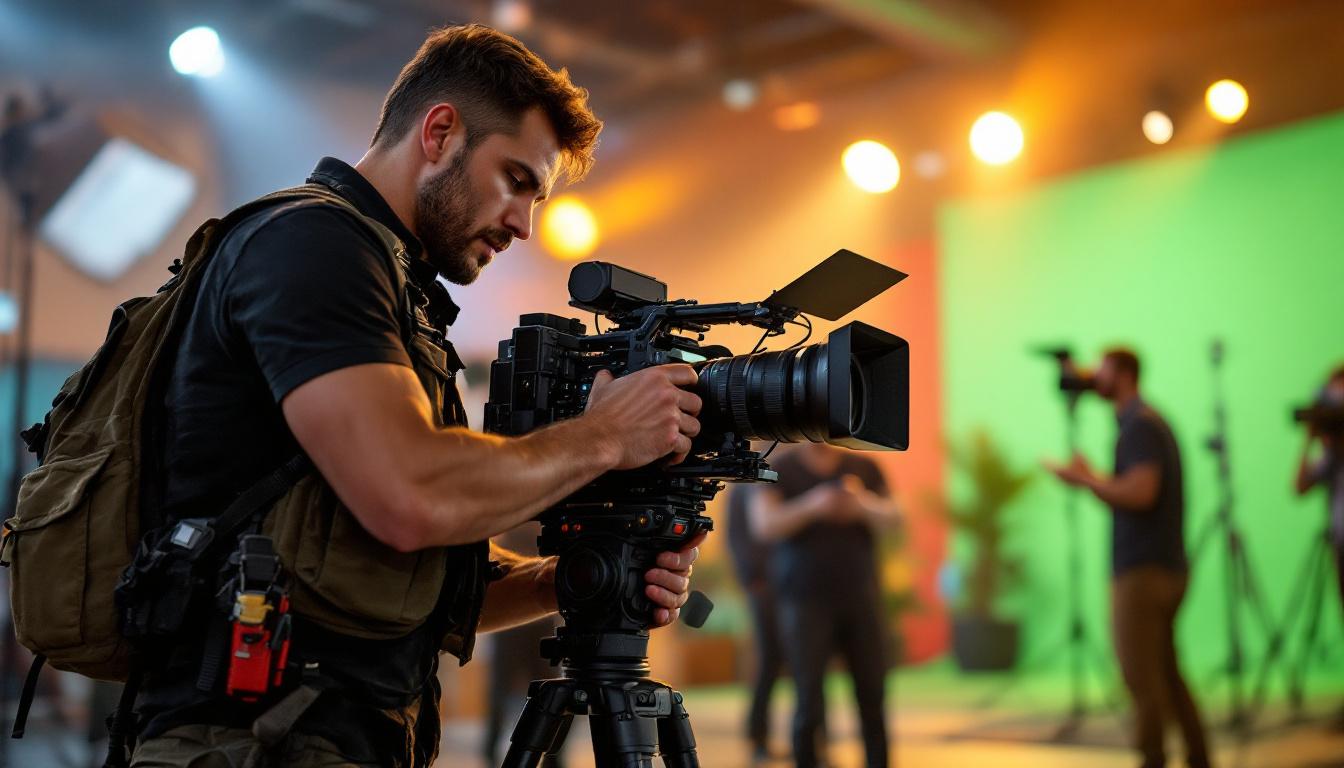
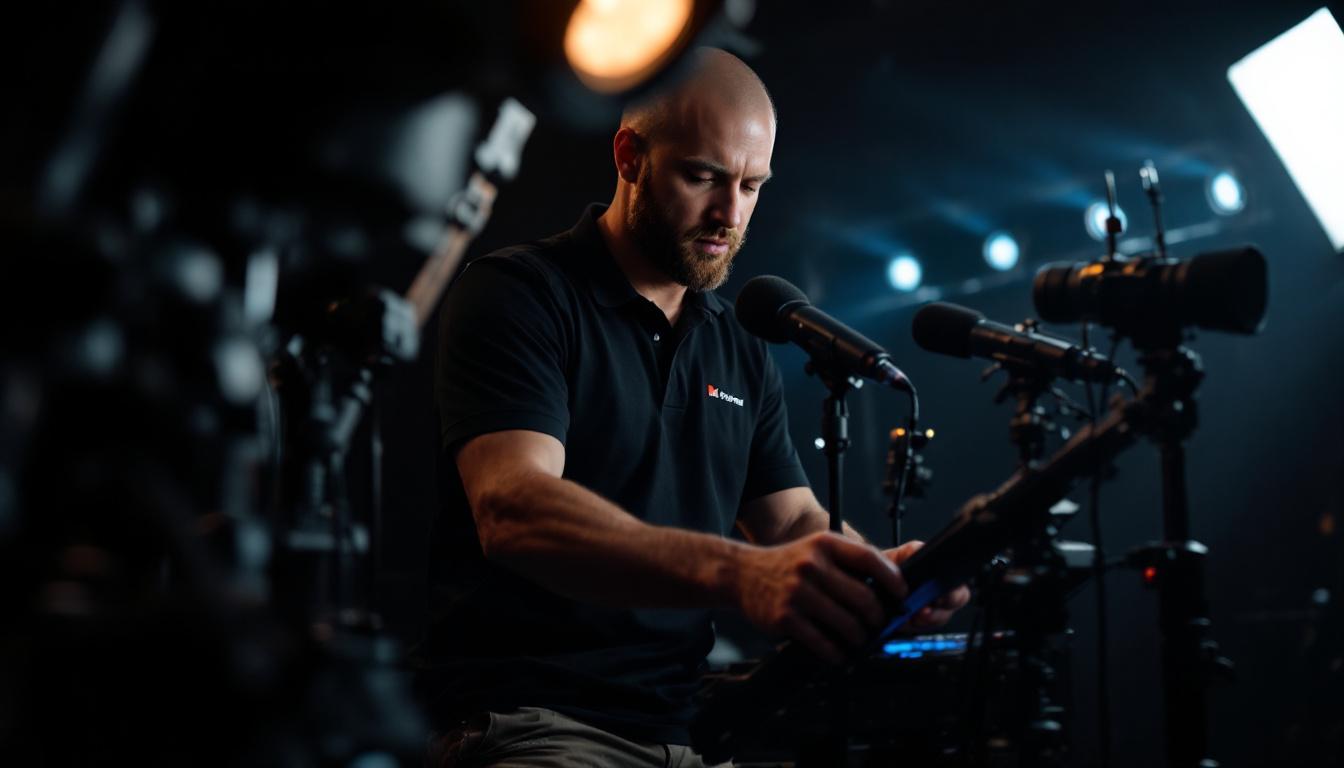
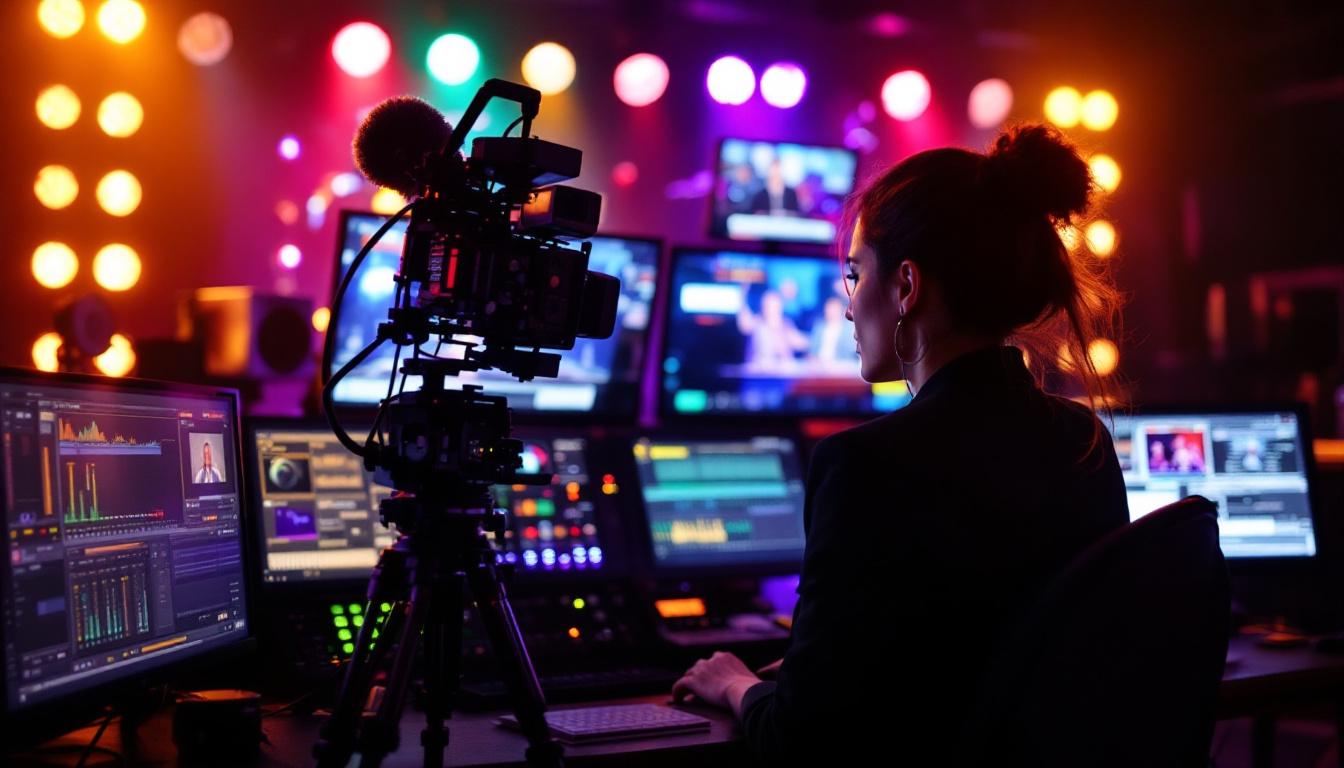
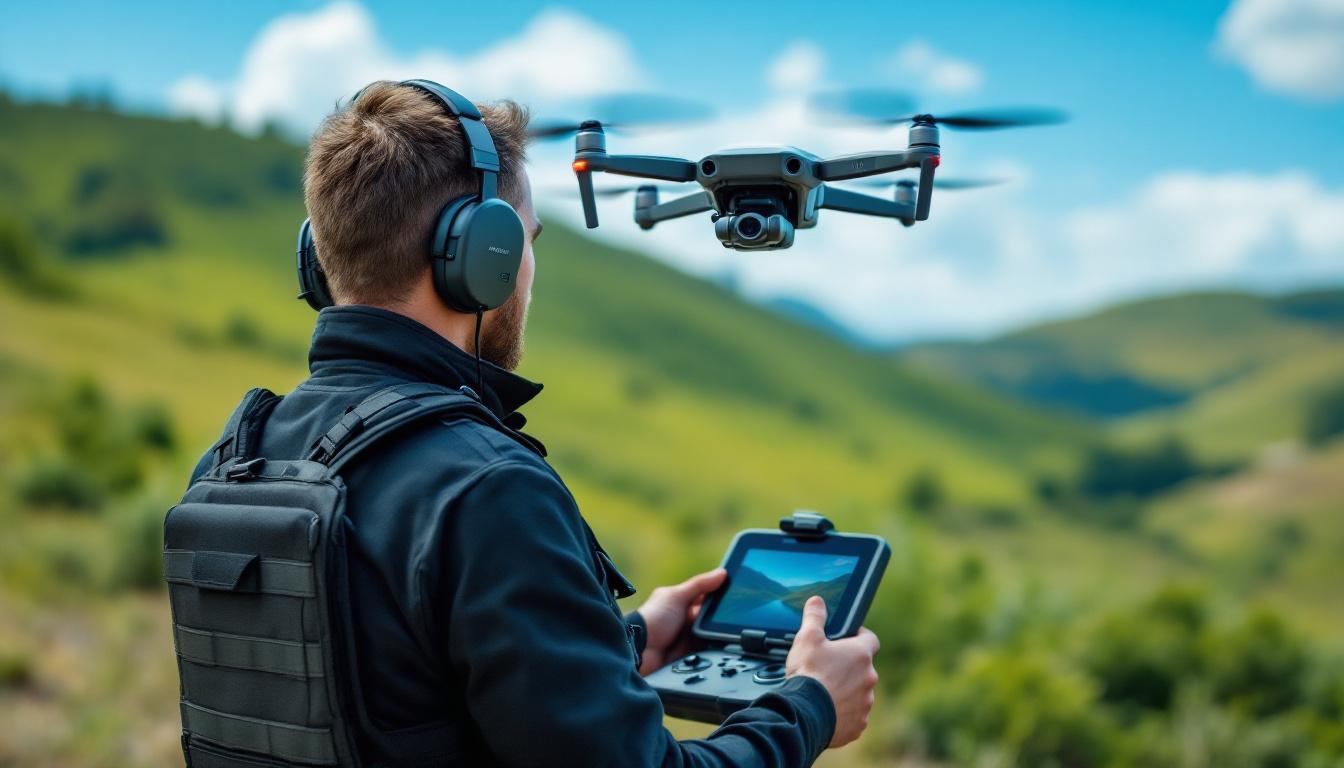
- Employment often involves working in studios, on-location shoots, or live event settings.
- The job market values practical skills and adaptability to new technologies.
- Insertion into the workforce is generally steady, with opportunities in both established companies and smaller media firms.

Careers after further study
These careers require a higher level of study than this degree.

Continuing your studies
After completing this bachelor's degree, students can continue their studies to deepen technical expertise or move into related fields.
- Possible further studies include master's degrees in media technology, communication, or digital arts.
- Some graduates choose to specialize in areas like film production, sound engineering, or interactive media.
- Others may pursue certifications or training in emerging audiovisual technologies.
- The degree also allows for reorientation towards broader communication or technology programs.
Where to study this degree (61)




















Liste des 61 établissements
- Rochester Institute of TechnologyRochester
- Villa Maria CollegeBuffalo
- Vermont Technical CollegeRandolph
- Park UniversityParkville
- Lebanon Valley CollegeAnnville
- Full Sail UniversityWinter Park
- Rowan UniversityGlassboro
- Bowie State UniversityBowie
- Belmont UniversityNashville
- University of Puerto Rico-AreciboArecibo
- Husson UniversityBangor
- Savannah College of Art and DesignSavannah
- Buffalo State UniversityBuffalo
- California State University, Dominguez HillsCarson
- St. John's UniversityQueens
- Alabama Agricultural and Mechanical UniversityNormal
- Columbia College ChicagoChicago
- University of Wisconsin–StoutMenomonie
- Portland State UniversityPortland
- Ferris State UniversityBig Rapids
- Webster UniversitySaint Louis
- New England Institute of TechnologyEast Greenwich
- Indiana University BloomingtonBloomington
- SAE Institute of Technology-NashvilleNashville
- Olympic CollegeBremerton
- Universidad Ana G. Mendez-Gurabo CampusGurabo
- American UniversityWashington
- Loyola Marymount UniversityLos Angeles
- Utah Valley UniversityOrem
- SUNY FredoniaFredonia
- Elon UniversityElon
- Ithaca CollegeIthaca
- Ball State UniversityMuncie
- Johns Hopkins UniversityBaltimore
- Texas State UniversitySan Marcos
- Minnesota State University MoorheadMoorhead
- College of the OzarksPoint Lookout
- Academy of Art UniversitySan Francisco
- York College of PennsylvaniaYork
- North Central UniversityMinneapolis
- Bethel UniversityMcKenzie
- Northwest UniversityKirkland
- Michigan Technological UniversityHoughton
- Evangel UniversitySpringfield
- Greenville CollegeGreenville
- Adrian CollegeAdrian
- Johnson UniversityKnoxville
- Union UniversityJackson
- Long Island UniversityBrookville
- George Fox UniversityNewberg
- Malone UniversityCanton
- Principia CollegeElsah
- Montclair State UniversityMontclair
- Drexel UniversityPhiladelphia
- Mount St. Mary's UniversityLos Angeles
- Providence CollegeProvidence
- Minnesota State University, MankatoMankato
- Bennington CollegeBennington
- Butler UniversityIndianapolis
- Worcester State UniversityWorcester
- Gannon UniversityErie
Frequently asked questions
What skills will I learn in this degree?
You will learn how to operate audiovisual equipment, edit digital media, manage media projects, and solve technical problems in production environments.
Is prior experience in media required to apply?
No prior experience is usually required, but having an interest in technology and media will help you succeed in the program.
Can I work while studying this degree?
While full-time study is common, some programs may allow part-time work or internships to gain practical experience.
What types of companies hire graduates?
Graduates can work for television stations, film companies, radio broadcasters, digital media firms, and event production businesses.
Is this degree more theoretical or practical?
The program balances theory with hands-on practice, including labs, projects, and sometimes internships to build real-world skills.
Can I continue my studies after this degree?
Yes, many graduates pursue master's degrees or specialized training in media technology, communication, or digital arts fields.
What is the admission process like?
Admission typically requires a high school diploma, an application through the college, and sometimes a portfolio or test scores.
Are there opportunities to specialize within the program?
Yes, in later years you can focus on areas like post-production, sound engineering, or lighting depending on the courses offered.