
Bachelor's Degree in Heavy/Industrial Equipment Maintenance Technologies/Technicians
This bachelor's degree trains students in maintaining and repairing heavy and industrial equipment, preparing them for technical roles in various industries.
About
This bachelor's degree in Heavy/Industrial Equipment Maintenance Technologies/Technicians is a four-year program offered in the United States. It is designed for students interested in learning how to maintain, troubleshoot, and repair large machinery used in industries such as construction, manufacturing, and transportation. The program suits those who enjoy hands-on technical work and problem-solving. Graduates can work as maintenance technicians or specialists in sectors that rely on heavy equipment to operate efficiently.
- The degree focuses on understanding the mechanical, hydraulic, and electrical systems of heavy machinery.
- It is intended for students who have completed high school and want to enter a technical field.
- Graduates are prepared to work in roles that require diagnosing equipment issues and performing repairs.
- The program combines theoretical knowledge with practical skills essential for industrial maintenance.
- It opens pathways to careers in industries such as construction, mining, and manufacturing.
What you study
The curriculum spans four years, progressively building students' knowledge and skills in heavy equipment maintenance. Early years cover foundational topics, while later years focus on specialized systems and hands-on training. Practical work is a significant part of the program, ensuring students gain real-world experience.
- Courses include mechanical systems, hydraulics, and electrical circuits relevant to heavy equipment.
- Students study diagnostic techniques to identify and solve equipment problems.
- Training involves use of tools and safety procedures essential for industrial environments.
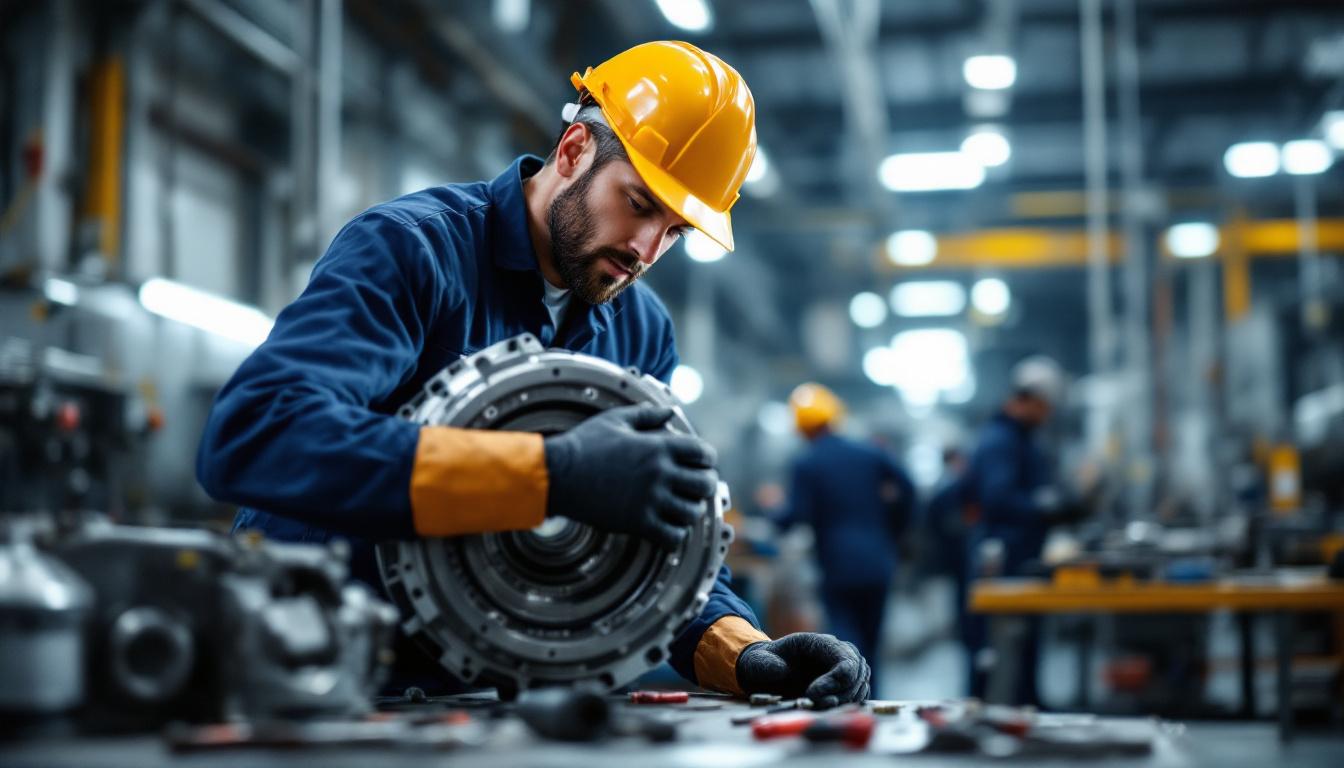
- Laboratory sessions and workshops provide practical experience with actual machinery components.
- Later years may include advanced troubleshooting and maintenance management topics.
- Hands-on projects and possibly internships help apply learned skills in real settings.
How to get in
Admission to this bachelor's degree typically requires a high school diploma or equivalent. The application process involves submitting academic records and sometimes standardized test scores. Candidates with an interest in mechanical or technical fields are encouraged to apply.
- Applicants must have completed high school or a recognized equivalent.
- The process often includes an application through the university or college's admission office.
- Some programs may require placement tests or interviews to assess technical aptitude.
- Students with backgrounds in science and mathematics are well-prepared.
- Motivation for hands-on technical work is important for success.
- Admission is generally open to a broad range of students meeting basic academic criteria.
Day to day
A typical academic year combines classroom learning, laboratory work, and practical projects. Students often engage in internships or cooperative education to gain industry experience. The program's schedule balances theory with hands-on activities.
- Students attend lectures and labs several days per week.
- Practical sessions involve working with heavy machinery components and diagnostic tools.
- Internships or industry placements provide real-world exposure.
- Projects may include equipment maintenance plans or troubleshooting exercises.
- The workload requires good time management to balance theory and practice.
- Some programs may offer cooperative education options combining study and work.
Careers this degree leads to
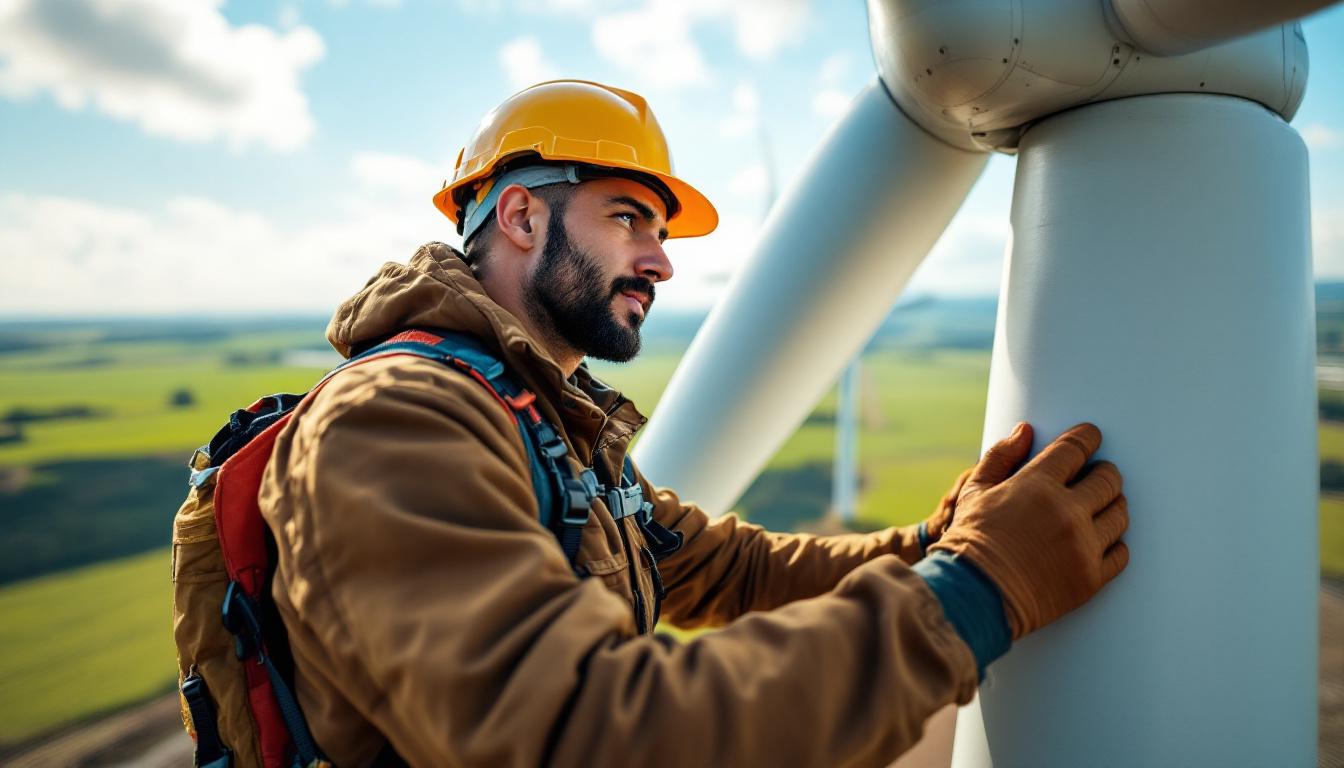
Graduates can find work as maintenance technicians or specialists in industries using heavy equipment. The demand for skilled technicians is steady, with opportunities in various sectors. Employment typically involves hands-on technical roles focused on equipment reliability.
- Common jobs include heavy equipment maintenance technician and industrial machinery mechanic.
- Industries hiring graduates include construction, manufacturing, and transportation.
- The work involves preventive maintenance and repair tasks on large machinery.
- The job market generally offers steady opportunities due to ongoing equipment needs.
- Technicians may work on-site at industrial plants or construction sites.
- Career progression can lead to supervisory or specialized technical roles.

Continuing your studies
After completing this bachelor's degree, students may continue their education or specialize further. Options include graduate degrees or certifications in related technical or management fields. Some may also choose to shift toward broader engineering studies.
- Graduate studies in industrial maintenance management or related areas are possible.
- Professional certifications can enhance technical skills and job prospects.
- Some students may pursue engineering degrees to expand career options.
- Continuing education helps keep up with evolving technologies in heavy equipment.
- Reorientation toward related fields like manufacturing or logistics is also an option.
Where to study this degree (2)


Liste des 2 établissements
- Ferris State UniversityBig Rapids
- Lewis Clark State CollegeLewiston
Frequently asked questions
What kind of equipment will I learn to maintain?
You will study various heavy and industrial machines such as construction vehicles, manufacturing equipment, and transportation machinery. The focus is on their mechanical, hydraulic, and electrical systems.
Is prior technical experience required to enter the program?
No prior experience is usually required, but having a background or interest in mechanics and technology helps. The program starts with foundational courses to build your skills.
Are internships part of the program?
Many programs include internships or practical placements that allow you to gain hands-on experience in real industrial settings, which is valuable for your future career.
Can I work while studying this degree?
The program is demanding with both theoretical and practical components, so working part-time may be challenging but possible depending on your time management.
What are the job prospects after graduation?
Graduates typically find jobs as maintenance technicians or mechanics in industries that use heavy equipment. The demand for skilled technicians remains steady.
Can I continue my studies after this bachelor's degree?
Yes, you can pursue graduate studies in related fields, obtain professional certifications, or shift toward engineering or technical management programs.
Is this degree offered through online or distance learning?
Due to the practical nature of the program, most courses require in-person attendance for labs and hands-on training, though some theoretical parts may be available online.
What skills are most important to succeed in this field?
Strong problem-solving abilities, attention to detail, manual dexterity, and a good understanding of mechanical and electrical systems are essential for success.