
Bachelor's Degree in Environmental Control Technologies/Technicians
This four-year Bachelor's degree in Environmental Control Technologies trains students to manage and monitor environmental systems, preparing them for technical roles in environmental protection and sustainability sectors.
About
This Bachelor's degree in Environmental Control Technologies is designed for students interested in understanding and managing environmental systems and technologies. It suits those who want to work on controlling pollution, monitoring natural resources, or ensuring compliance with environmental regulations. The program prepares graduates for technical positions in various industries focused on environmental protection and sustainable development.
- The degree lasts four years and leads to a bachelor's level qualification recognized in the United States.
- It targets students who have completed high school and are motivated by environmental challenges and technology.
- Graduates can become environmental technicians, field inspectors, or work in roles supporting environmental management.
- The program offers a mix of theoretical knowledge and practical skills related to environmental monitoring and control.
- It provides a foundation for entering the workforce or continuing studies in related fields.
What you study
The curriculum covers a broad range of subjects related to environmental technologies and control methods. Over the four years, students build from basic scientific principles to applied technical skills.
- Early courses focus on environmental science, chemistry, and data analysis to understand environmental processes.
- Intermediate years introduce monitoring techniques, environmental regulations, and equipment operation.
- Later stages emphasize fieldwork, environmental impact assessment, and technology applications.
- Practical training includes laboratory work and use of specialized instruments for measuring pollution and environmental parameters.
- Students often engage in projects simulating real-world environmental control challenges.
- Some programs may include internships or cooperative education to gain hands-on experience.
How to get in
Admission to this Bachelor's degree typically requires a high school diploma or equivalent with a focus on science subjects. The process involves application through a university admission system common in the US.
- Applicants should have a background in science and mathematics from high school.
- The admission procedure includes submitting transcripts and sometimes standardized test scores.
- Universities may consider motivation and interest in environmental topics.
- Applicants are expected to demonstrate readiness for technical and scientific coursework.
- Some programs may have additional requirements like interviews or prerequisite courses.
Day to day
A typical academic year combines lectures, practical sessions, and project work. Students balance classroom learning with hands-on activities.
- Weekly schedules include theoretical classes and laboratory sessions to apply concepts.
- Field visits and environmental sampling exercises are common to gain real-world experience.
- Students often work on group projects addressing environmental control problems.
- Internships or cooperative education periods may be integrated to provide workplace exposure.
- The workload requires regular study and engagement with evolving environmental technologies.
Careers this degree leads to
Graduates find opportunities in various sectors focused on environmental protection and technology. The degree opens doors to technical roles supporting sustainable practices.
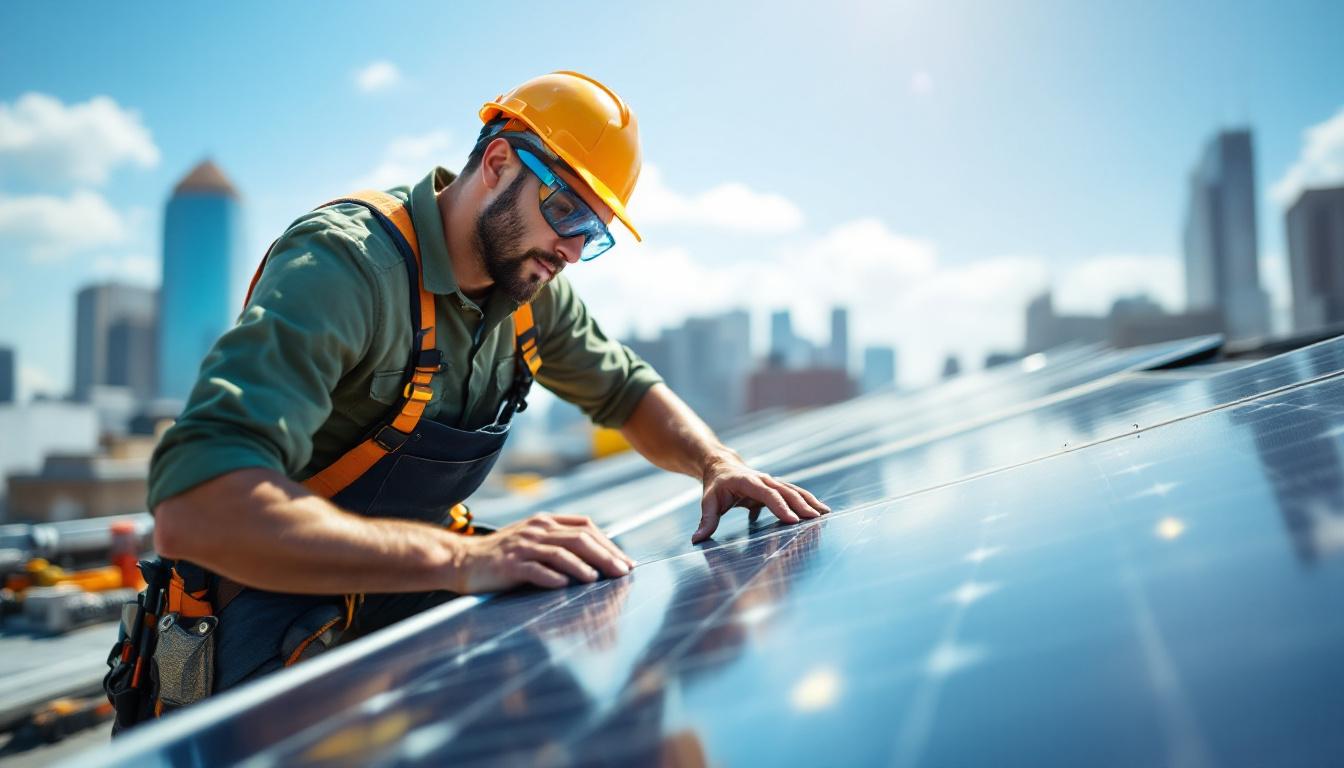
- Common jobs include environmental technician, field inspector, and environmental compliance assistant.
- Employers are often government agencies, environmental consulting firms, and industrial companies.
- The sectors recruiting include waste management, water quality control, and air pollution monitoring.
- Employment prospects are generally positive, with demand linked to environmental regulations and sustainability efforts.
- Some graduates may work in research support or technical sales related to environmental equipment.





Careers after further study
These careers require a higher level of study than this degree.


Continuing your studies
After completing the bachelor's degree, students can continue their studies to deepen expertise or shift focus. Graduate programs offer specialization opportunities.
- Possible further studies include master's degrees in environmental science or environmental engineering.
- Some may choose to pursue certifications in environmental management or safety.
- There are options to reorient toward related fields like public health or renewable energy.
- Graduate studies often involve more research and advanced technical training.
Where to study this degree (18)












Liste des 18 établissements
- Spelman CollegeAtlanta
- Appalachian State UniversityBoone
- North Carolina State UniversityRaleigh
- University of FindlayFindlay
- Rochester Institute of TechnologyRochester
- Pennsylvania College of TechnologyWilliamsport
- University of Puerto Rico-AguadillaAguadilla
- University of Wisconsin–Green BayGreen Bay
- University of Wisconsin–OshkoshOshkosh
- Methodist UniversityFayetteville
- Red Rocks Community CollegeLakewood
- Catholic University of AmericaWashington
- United States Military AcademyWest Point
- Inter American University of Puerto Rico-San GermanSan German
- Siena Heights UniversityAdrian
- Polytechnic University of Puerto Rico-OrlandoOrlando
- Duke UniversityDurham
- Eastern Nazarene CollegeQuincy
Frequently asked questions
What kind of jobs can I get with this degree?
Graduates typically work as environmental technicians or inspectors. They help monitor pollution, ensure compliance with regulations, and support environmental protection efforts in various sectors.
Is prior experience in environmental work required to apply?
No prior professional experience is usually required. However, a strong interest in science and environmental issues is important for success in the program.
Are there practical training opportunities during the degree?
Yes, the program includes laboratory work, field sampling, and often internships or cooperative education to gain hands-on experience.
Can I continue my studies after this bachelor's degree?
Yes, many graduates pursue master's degrees in related fields to specialize further or shift to research and advanced technical roles.
What are the main subjects studied in this program?
Students study environmental science, chemistry, data analysis, environmental technology, and regulations, along with practical field methods.
Is this degree recognized across the United States?
Yes, it is a standard four-year bachelor's degree recognized by US higher education institutions and employers.
Are there opportunities for work-study or alternating work and study?
Generally, this degree does not include formal alternance or work-study programs, but internships are common.
What skills will I develop during this degree?
You will gain skills in environmental monitoring, data analysis, using technical equipment, understanding regulations, and managing projects.