
Associate Degree in Plumbing and Related Water Supply Services
This two-year Associate Degree in Plumbing and Related Water Supply Services trains students in plumbing systems installation and maintenance, preparing them for technical roles in the water supply industry.
About
This Associate Degree in Plumbing and Related Water Supply Services is a short-cycle higher education diploma in the United States, lasting two years. It is designed for students interested in learning practical and technical skills related to plumbing and water supply systems. The program prepares graduates to work as skilled technicians in various settings such as residential, commercial, and industrial environments. It suits those who enjoy hands-on work and want to enter the workforce quickly with specialized knowledge. Graduates can pursue careers as plumbers, pipefitters, or water system technicians, contributing to essential infrastructure maintenance and installation.
- The diploma offers a focused curriculum on plumbing and water supply services over two years.
- It targets students who have completed high school or equivalent and seek technical expertise.
- Graduates are equipped to work in installation, repair, and maintenance of plumbing systems.
- The program emphasizes practical skills to meet industry standards and safety regulations.
- It prepares students for employment in both private companies and public utilities.
What you study
The program covers a range of subjects related to plumbing and water supply, combining theory with hands-on practice. In the first year, students learn foundational topics such as plumbing tools and materials, basic pipe systems, and safety procedures. The second year builds on this with advanced installation techniques, water system design, and troubleshooting. Practical workshops and labs are a significant part of the curriculum, allowing students to apply their knowledge in real-life scenarios. Training includes reading blueprints, working with different piping materials, and understanding local plumbing codes. The program also introduces students to related areas like water conservation and sustainable practices.
- Courses include plumbing fundamentals, pipefitting, and water supply systems.
- Students participate in practical workshops regularly to develop hands-on skills.
- The curriculum progresses from basic tools and materials to complex system installation.
- Safety training and compliance with industry standards are integrated throughout.
- Students learn to interpret technical drawings and plumbing codes.
- Environmental aspects like water conservation are also addressed.
How to get in
Admission to this Associate Degree typically requires a high school diploma or equivalent, such as a GED in the United States. Candidates usually apply directly to community colleges or technical schools offering the program. The admission process is generally straightforward and may include submitting transcripts and possibly an interview or placement tests. The program welcomes students with an interest in technical trades and practical work. Having some background or enthusiasm for construction or mechanical systems can be helpful. Financial aid or scholarships may be available depending on the institution.
- Applicants must have completed high school or equivalent.
- Admission is through community colleges or technical institutes in the US.
- The process usually involves submitting academic records and may include placement tests.
- Students with a strong interest in hands-on technical work are encouraged to apply.
- Some schools may offer orientation sessions to prepare new students.
Day to day
The academic year is structured around classroom lessons, practical labs, and sometimes internships or work placements. Students spend time learning theory in class and then apply it in workshops where they practice installing and repairing plumbing systems. Some programs include opportunities for internships with local plumbing companies to gain real-world experience. The schedule can be full-time with daily classes or part-time options depending on the institution. Group projects and individual assignments help develop problem-solving and teamwork skills. Students learn to manage tools safely and follow industry regulations in simulated environments.
- The year combines classroom instruction with hands-on workshops.
- Students may complete internships or practical placements in local businesses.
- The program can be offered full-time or part-time depending on the school.
- Group projects develop teamwork and technical problem-solving skills.
- Safety and regulatory compliance are emphasized in daily practice.
Careers this degree leads to
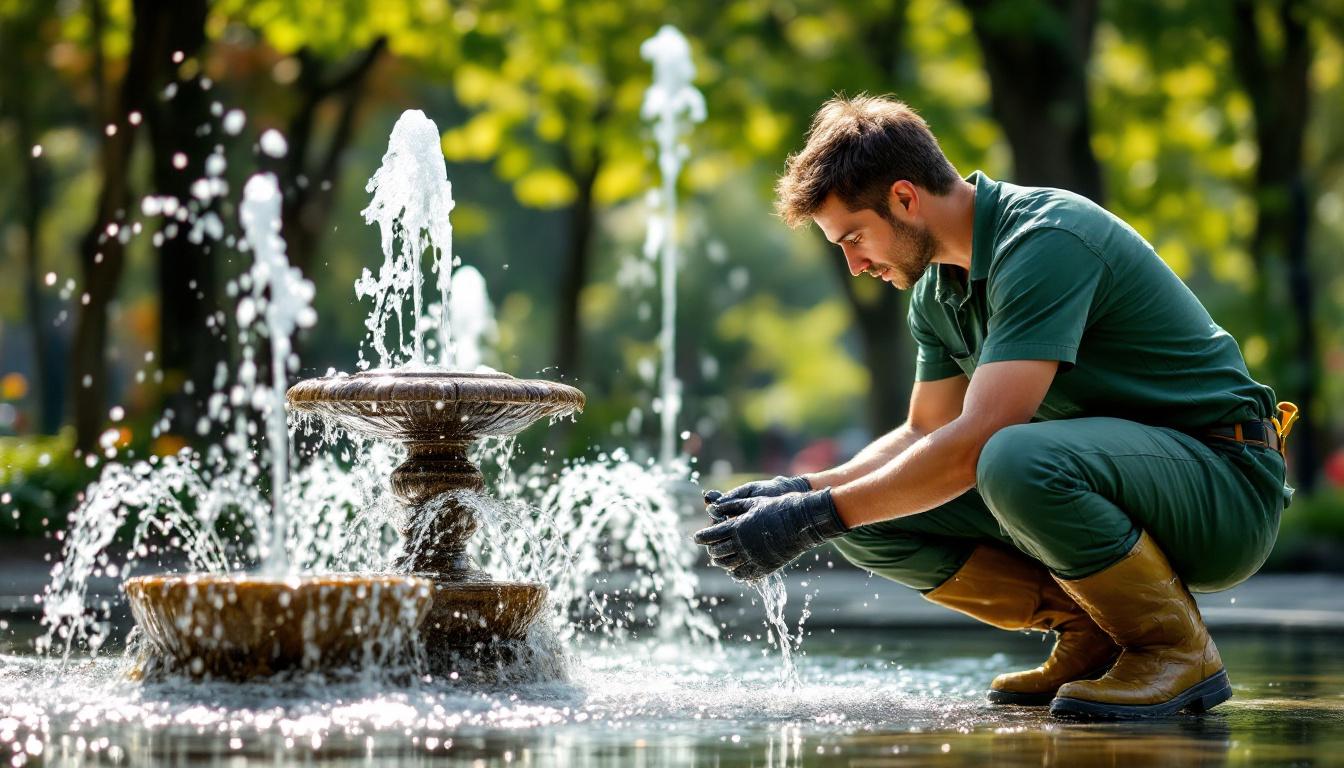
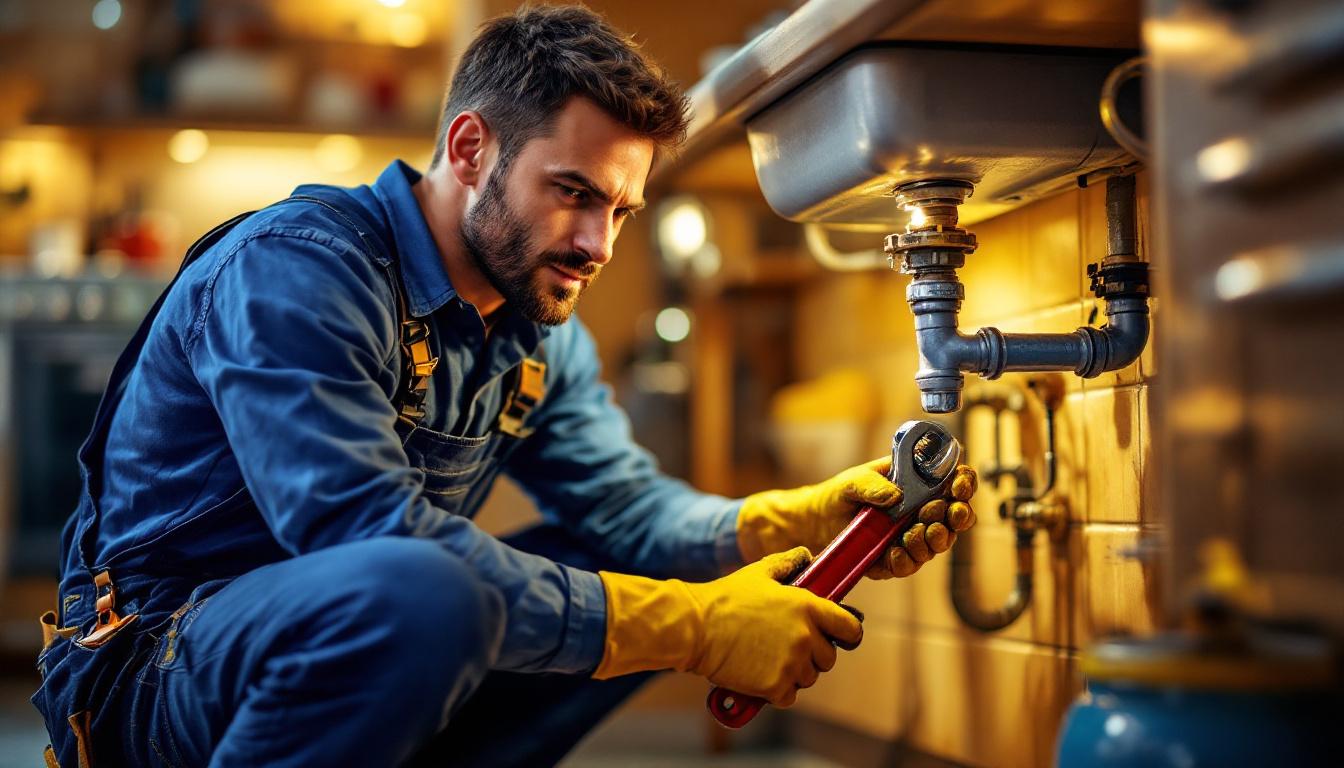
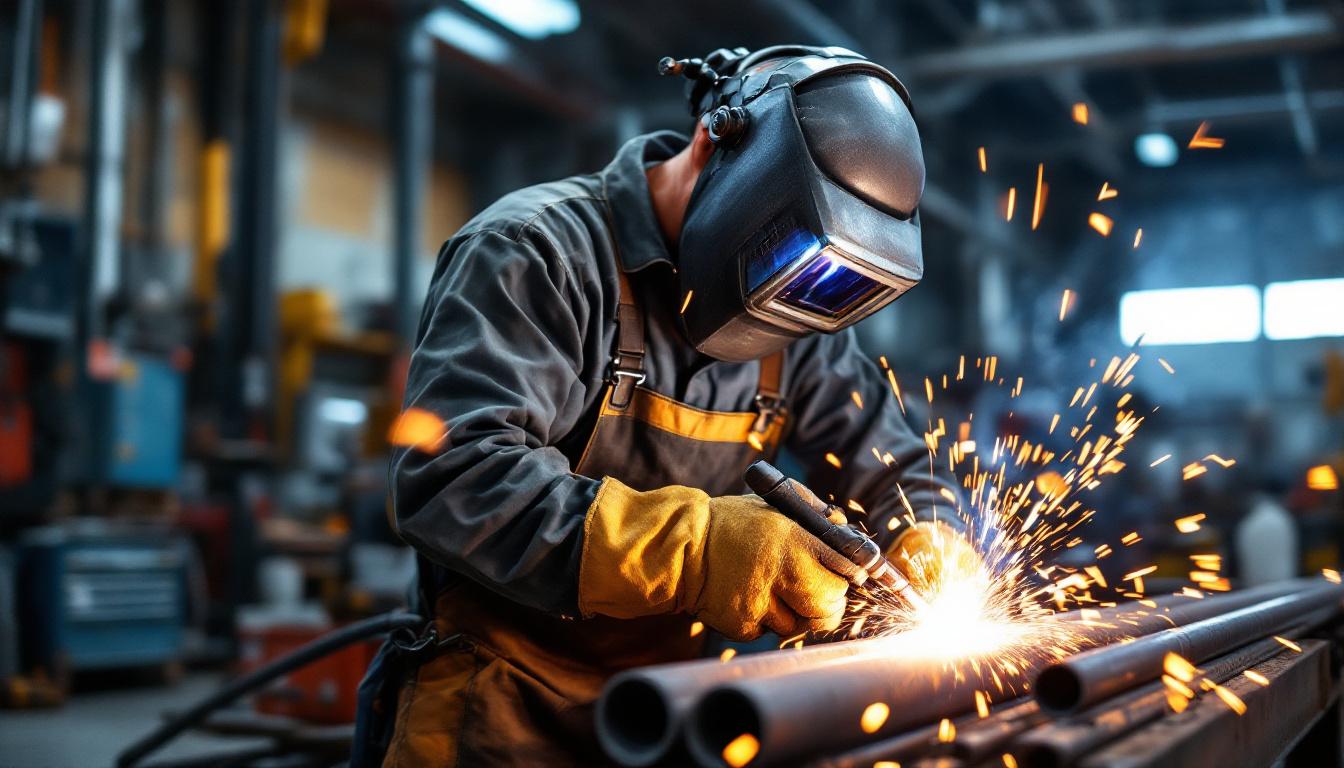
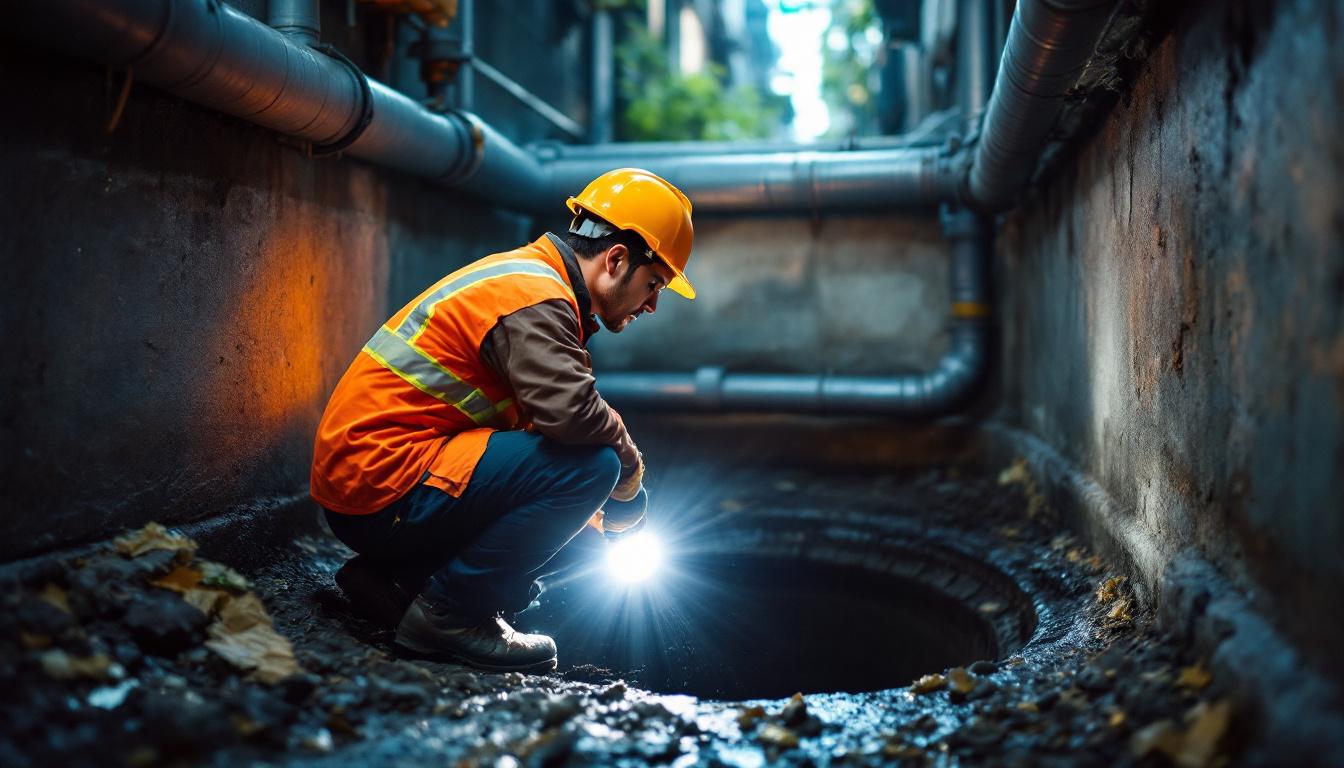
Graduates of this Associate Degree can work as plumbers, pipefitters, or water supply technicians in various sectors. They find employment in residential construction, commercial buildings, industrial facilities, and public utilities. The demand for skilled plumbing professionals is steady, as water systems require regular installation and maintenance. Entry-level positions often involve assisting experienced plumbers or working on smaller projects independently. The job can involve physical work and requires attention to detail and adherence to safety standards. Many employers value graduates with formal training and practical experience.
- Common jobs include plumber, pipefitter, and water system technician.
- Employment sectors include residential, commercial, and industrial settings.
- Public utilities and construction companies are frequent employers.
- The profession involves installation, maintenance, and repair of water systems.
- Graduates usually find job opportunities soon after completing the program.


Continuing your studies
After earning this Associate Degree, students can choose to continue their education or specialize further. Some may pursue advanced technical diplomas or certifications in plumbing, pipefitting, or HVAC systems. Others might enroll in bachelor’s degree programs related to construction management or engineering technology. The diploma also provides a solid foundation for apprenticeships or licensing exams required to become a certified plumber. Students interested in expanding their skills can explore related trades or supervisory roles within the construction sector.
- Graduates can pursue advanced technical certifications in plumbing or related fields.
- Some continue with bachelor’s degrees in construction or engineering technology.
- The diploma supports preparation for licensing exams to become certified plumbers.
- Further training can lead to specialization in HVAC or pipefitting.
Where to study this degree (52)




















Liste des 52 établissements
- Ivy Tech Community CollegeIndianapolis
- Washtenaw Community CollegeAnn Arbor
- New England Institute of TechnologyEast Greenwich
- Thaddeus Stevens College of TechnologyLancaster
- Montana State University–NorthernHavre
- Linn Benton Community CollegeAlbany
- Los Angeles Trade Technical CollegeLos Angeles
- Northern Maine Community CollegePresque Isle
- Central Maine Community CollegeAuburn
- Central New Mexico Community CollegeAlbuquerque
- Foothill CollegeLos Altos Hills
- St. Philip's CollegeSan Antonio
- Salt Lake Community CollegeSalt Lake City
- Collin CollegeMcKinney
- St Cloud Technical and Community CollegeSaint Cloud
- Vincennes UniversityVincennes
- Lee CollegeBaytown
- Western Technical CollegeLa Crosse
- American River CollegeSacramento
- Southwest Mississippi Community CollegeSummit
- San Diego City CollegeSan Diego
- Texas State Technical CollegeWaco
- Elizabethtown Community and Technical CollegeElizabethtown
- Southern Maine Community CollegeSouth Portland
- College of Southern NevadaLas Vegas
- Jones County Junior CollegeEllisville
- Truckee Meadows Community CollegeReno
- Westmoreland County Community CollegeYoungwood
- Lewis Clark State CollegeLewiston
- Kellogg Community CollegeBattle Creek
- Henry Ford CollegeDearborn
- Hinds Community CollegeRaymond
- Northeast Iowa Community CollegeCalmar
- Arkansas State University Three RiversMalvern
- Butler Community CollegeEl Dorado
- GateWay Community CollegePhoenix
- North Idaho CollegeCoeur d'Alene
- Metropolitan Community CollegeOmaha
- Northern New Mexico CollegeEspanola
- Oakland Community CollegeAuburn Hills
- Idaho State UniversityPocatello
- Western Nevada CollegeCarson City
- Cuyahoga Community CollegeCleveland
- SUNY DelhiDelhi
- BridgeValley Community & Technical CollegeSouth Charleston
- Lorain County Community CollegeElyria
- Sinte Gleska UniversityMission
- Diablo Valley CollegePleasant Hill
- Arizona Western CollegeYuma
- Olympic CollegeBremerton
- Columbus State Community CollegeColumbus
- Delta CollegeUniversity Center
Frequently asked questions
What prior education do I need to apply?
You need to have completed high school or hold an equivalent diploma like a GED to apply for this Associate Degree.
Is this program mostly theoretical or practical?
The program combines both theory and practical workshops, with a strong emphasis on hands-on training in plumbing techniques.
Can I work while studying this degree?
Some schools may offer part-time options, but generally the program requires a significant time commitment for classes and labs.
Are internships part of the program?
Many programs include opportunities for internships or practical placements with local plumbing companies to gain real-world experience.
What kind of jobs can I get after graduation?
Graduates can work as plumbers, pipefitters, or water system technicians in residential, commercial, or industrial sectors.
Can I continue my studies after this degree?
Yes, you can pursue advanced certifications, bachelor’s degrees in related fields, or prepare for licensing exams to become a certified plumber.
Is this degree selective to get into?
The admission process is generally not very selective, provided you meet the basic educational requirements.
Does the program teach environmental aspects?
Yes, the curriculum includes topics like water conservation and sustainable plumbing practices.