
Associate Degree in Leatherworking and Upholstery
This two-year Associate Degree in Leatherworking and Upholstery teaches practical skills in crafting and repairing leather goods and upholstered items, preparing students for entry-level roles in artisan workshops or manufacturing.
About
The Associate Degree in Leatherworking and Upholstery is a two-year program offered in the United States that focuses on developing hands-on skills in working with leather and upholstery materials. It is designed for students who enjoy crafts, manual work, and design, and who want to learn how to create, repair, and restore leather products and upholstered furniture. This diploma prepares learners for technical roles in small artisan workshops, furniture companies, or automotive upholstery shops. It is suitable for those who want to enter the workforce quickly with practical expertise or continue their studies in related fields.
- The program lasts two years and corresponds to a short-cycle level (EQF 5).
- It is aimed at students who have completed high school or equivalent education and are interested in craft and design trades.
- Graduates can work as leatherworkers, upholsterers, or technicians in repair and manufacturing sectors.
- The diploma combines practical workshops with theoretical knowledge about materials and techniques.
- It offers a foundation for further studies or direct entry into skilled artisan jobs.
What you study
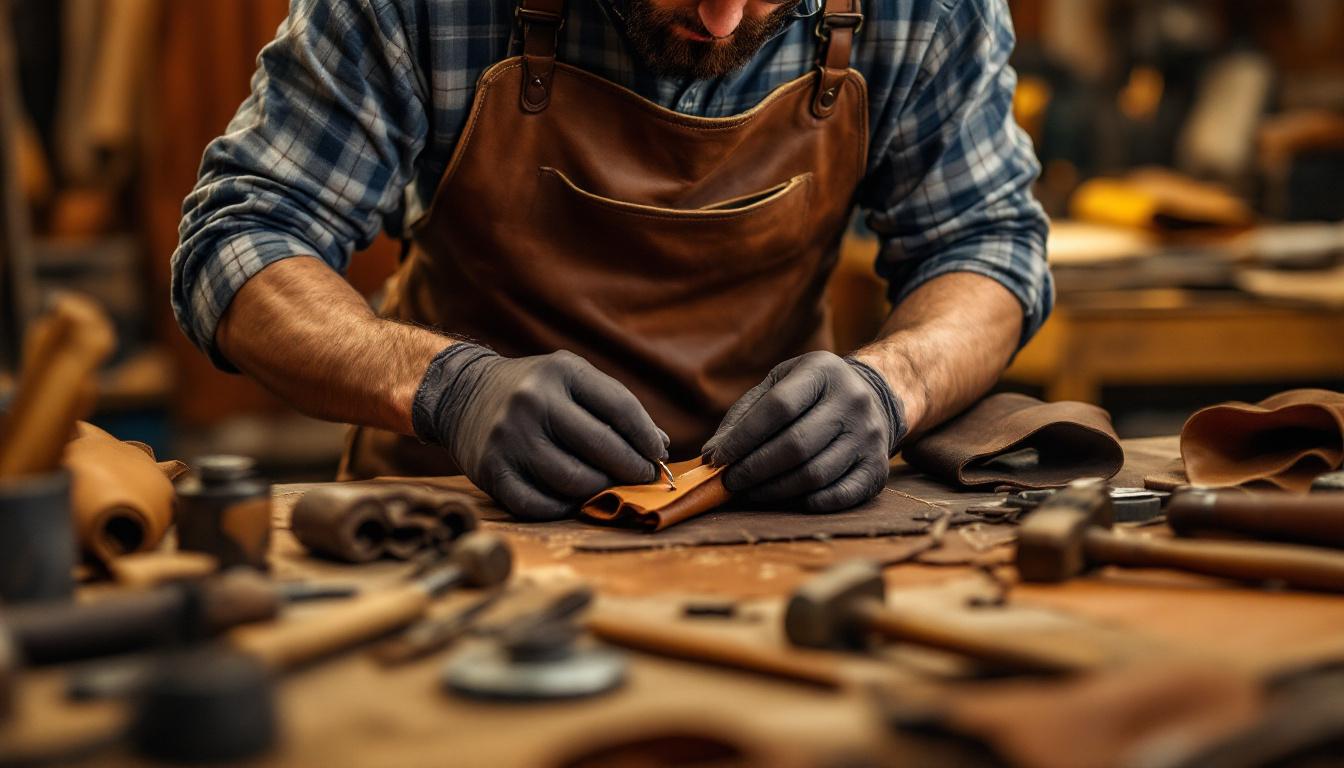
The curriculum covers both the theory and practice of leatherworking and upholstery, gradually increasing in complexity over the two years. Students learn to handle different types of leather and fabrics, use specialized tools, and apply techniques for cutting, stitching, and assembling products. The program emphasizes hands-on experience through workshops and projects.
- In the first year, students focus on basic techniques such as material identification, tool handling, and simple assembly methods.
- The second year introduces more advanced skills like pattern making, complex stitching, and restoration techniques.
- Courses include design principles, quality control, and workshop safety.
- Practical sessions represent a significant part of the training, allowing students to create real products and repair items.
- Students may also learn about business basics to understand the artisan market.
How to get in
To access this Associate Degree in the US, students generally need to have completed high school or hold an equivalent diploma such as a GED. Admission procedures vary by institution but often include submitting academic records and sometimes an interview or portfolio showing interest in crafts.
- Applicants should have a strong interest in manual work and creativity.
- Some programs may require basic skills in art or design.
- Admission is usually non-selective, welcoming motivated students.
- Students can apply through the college's admission office or online portals.
- There is no standardized national exam for entry, but some schools may have their own assessments.
Day to day
The academic year typically combines classroom lessons, workshops, and practical projects. Students spend much of their time in hands-on activities to develop their craftsmanship. Some programs include internships or cooperative education periods to gain real-world experience.
- A typical week includes practical workshops, theoretical classes, and project work.
- Students may work on individual or group projects simulating real production or repair tasks.
- Internships in artisan workshops or upholstery shops are often encouraged to understand workplace environments.
- Some institutions offer alternance (work-study) options, combining study and paid work.
- The rhythm balances learning new techniques with applying them in concrete situations.
Careers this degree leads to
Graduates can find employment in various sectors where leather and upholstery skills are needed. The diploma opens doors to artisan workshops, furniture manufacturers, automotive upholstery, and repair services. The job market values practical skills and craftsmanship.
- Possible jobs include leatherworker, upholsterer, repair technician, and craftsman in small workshops.
- Many employers are small or medium enterprises focused on quality and customization.
- The insertion into the workforce is generally quick for those with solid practical skills.
- Some graduates may also work in restoration of antique furniture or fashion accessories.
- Self-employment or artisan entrepreneurship is an option for experienced graduates.

Continuing your studies
After completing this Associate Degree, students can choose to continue their education in related fields to deepen their technical or design knowledge. Options include bachelor’s degrees in design, materials technology, or business related to crafts.
- Some pursue bachelor’s programs in industrial design or fine arts.
- Others may enter specialized training in leather technology or furniture design.
- There are possibilities to reorient towards broader manufacturing or artisan trades.
- Continuing studies can enhance career prospects or enable management roles.
Where to study this degree (1)

Liste des 1 établissements
- Riverside City CollegeRiverside
Frequently asked questions
What prior skills do I need to enter this program?
You should have completed high school or an equivalent diploma. A basic interest in crafts and manual work is important, but no advanced skills are required. Some programs may value artistic abilities.
Is this degree more practical or theoretical?
The degree is largely practical, focusing on hands-on workshops and real product creation. There are also theoretical classes about materials and design to support your practical skills.
Can I work while studying this degree?
Yes, many programs offer alternance or work-study options, allowing you to gain paid work experience alongside your studies.
What kind of jobs can I get after graduation?
Graduates typically work as leatherworkers, upholsterers, or repair technicians in artisan workshops, furniture companies, or automotive upholstery shops.
Is it possible to continue studies after this degree?
Yes, you can pursue bachelor’s degrees in design, materials technology, or related fields to deepen your knowledge and improve career prospects.
Are internships part of the program?
Many programs encourage or include internships to give students real-world experience in workshops or companies related to leatherworking and upholstery.
How selective is the admission process?
Admission is generally not very selective, focusing on your motivation and interest rather than strict academic criteria.
What industries hire graduates from this program?
Graduates find opportunities in artisan workshops, furniture manufacturing, automotive upholstery, restoration services, and fashion accessory production.