Associate Degree in Heating, Air Conditioning, Ventilation and Refrigeration Maintenance Technology/Technician (HAC, HACR, HVAC, HVACR)
This two-year associate degree teaches maintenance and repair of heating, ventilation, air conditioning, and refrigeration systems, preparing students for technician roles in various industries.
About
The Associate Degree in Heating, Air Conditioning, Ventilation and Refrigeration Maintenance Technology is a two-year program offered in the United States. It is designed for students interested in learning how to maintain and repair HVAC and refrigeration systems, which are essential for residential, commercial, and industrial environments. This diploma is suitable for those who enjoy hands-on technical work and want to enter the workforce quickly with practical skills. Graduates typically become HVAC technicians or maintenance specialists, working in sectors like construction, manufacturing, and building services. The program provides foundational knowledge and prepares students for technical roles that involve installing, troubleshooting, and servicing climate control systems.
- The diploma lasts two years and is classified as a short cycle degree (EQF level 5).
- It targets students who have completed high school or equivalent education and want to specialize in HVAC and refrigeration technology.
- Graduates can work as technicians in various industries, supporting the operation of heating and cooling systems.
- The program combines theoretical knowledge with practical skills to prepare for real-world maintenance challenges.
- It is offered by community colleges and technical schools across the US.
- The degree supports entry into skilled trades with opportunities for certification and further study.
What you study
The curriculum covers a mix of theoretical lessons and hands-on training focused on HVAC and refrigeration systems. In the first year, students learn basic electrical concepts, refrigeration principles, and safety procedures. They study components like compressors, condensers, and thermostats, and understand how systems control indoor climates. The second year deepens knowledge with advanced diagnostics, system design, and energy efficiency techniques. Practical workshops and labs are a significant part of the program, allowing students to practice installation, repair, and maintenance tasks on real equipment.
- The program includes electrical theory, refrigeration cycles, and system troubleshooting.
- Students engage in hands-on labs regularly to build practical skills.
- Courses cover safety standards and environmental regulations related to refrigerants.
- The curriculum progresses from foundational concepts to complex system maintenance.
- Students learn to read technical manuals and use diagnostic tools.
- Some programs include training on energy-efficient and environmentally friendly technologies.
How to get in
Admission to this associate degree typically requires a high school diploma or equivalent, such as a GED. Applicants may need to demonstrate basic skills in math and reading through placement tests. The process usually involves applying directly to community colleges or technical institutes offering the program. Students interested in this field should have an aptitude for mechanical and electrical work and a willingness to engage in practical training. The program is accessible to recent high school graduates as well as adults seeking a career change or specialized technical skills.
- Applicants must have a high school diploma or equivalent.
- Some schools require placement tests in math and reading.
- Admission is generally open with no highly selective criteria.
- Students with interest in technical and mechanical subjects are encouraged to apply.
- Application is done through the college’s admissions office or online portals.
- Prior experience in HVAC is helpful but not mandatory.
Day to day
A typical academic year balances classroom instruction with practical workshops. Students spend time learning theory, then apply it in labs where they work on actual HVAC and refrigeration equipment. Many programs include internships or cooperative education opportunities with local businesses to gain real-world experience. The schedule often follows a semester system, with assessments through exams and hands-on projects. While full-time study is common, some colleges offer part-time or evening classes to accommodate working students. Alternance or apprenticeship options may be available in some institutions, combining study with paid work.
- Students attend lectures and participate in laboratory sessions weekly.
- Hands-on practice includes equipment installation and system diagnostics.
- Internships or work placements provide experience in real workplaces.
- The academic year is divided into semesters with exams and project work.
- Some programs offer evening classes for flexibility.
- Alternance or apprenticeship may be possible depending on the school.
Careers this degree leads to
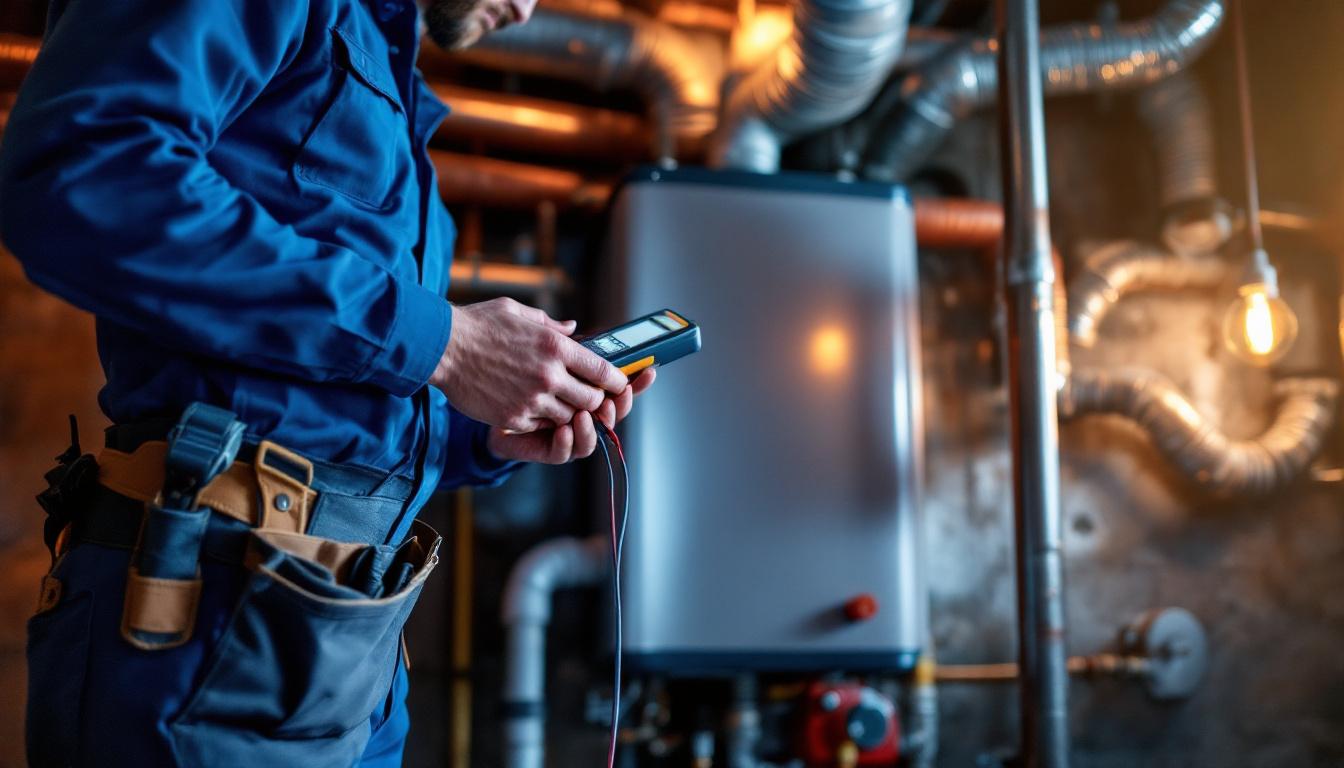
Graduates typically find work as HVAC or refrigeration technicians, performing installation, maintenance, and repair of heating and cooling systems. These roles exist in residential, commercial, and industrial sectors, including construction companies, manufacturing plants, and building maintenance services. The demand for skilled technicians is generally steady, as climate control systems require regular upkeep. Many employers value the practical skills and certifications gained through this degree. Career advancement can include supervisory roles or specialization in areas like energy management or system design.
- Common jobs include HVAC technician and refrigeration maintenance specialist.
- Employment sectors include construction, building services, and manufacturing.
- The job market often values graduates with hands-on experience.
- Technicians work on installation, repair, and system maintenance.
- Career progression can lead to supervisory or specialist roles.
- Employment opportunities exist in both urban and rural areas.





Continuing your studies
After earning this associate degree, students can continue their education to deepen technical expertise or move into related fields. Options include bachelor’s degrees in engineering technology, facilities management, or energy systems. Some may choose certifications in specialized HVAC areas or pursue training in renewable energy technologies. The degree also provides a foundation for reorientation into other technical or industrial sectors. Transfer agreements between community colleges and four-year institutions facilitate continuation of studies.
- Possible further studies include bachelor’s degrees in engineering technology or related fields.
- Students can pursue professional certifications in HVAC specialties.
- Training in energy management or renewable energy is an option.
- Transfer to four-year colleges is often supported.
- The degree supports career shifts into other technical areas.
Where to study this degree (200)









Liste des 200 établissements
- Washburn UniversityTopeka
- Florida Gateway CollegeLake City
- Eastern New Mexico UniversityPortales
- New Mexico State UniversityLas Cruces
- Eastern Iowa Community CollegeDavenport
- Southern Technical CollegeOrlando
- Greenville Technical CollegeGreenville
- Delaware County Community CollegeMedia
- Flathead Valley Community CollegeKalispell
- Southern Union State Community CollegeWadley
- North Seattle CollegeSeattle
- National Park CollegeHot Springs
- University of Alaska AnchorageAnchorage
- Chattanooga State Community CollegeChattanooga
- College of Lake CountyGrayslake
- Eastern Arizona CollegeThatcher
- ETI School of Skilled TradesWillowbrook
- Lone Star CollegeThe Woodlands
- UEI College-OntarioOntario
- Brownson Technical SchoolAnaheim
- MIAT College of TechnologyCanton
- UEI College-FresnoFresno
- Pennco Tech-BlackwoodBlackwood
- UEI College-RiversideRiverside
- Apex Technical SchoolLong Island City
- Chattahoochee Technical CollegeMarietta
- Maysville Community and Technical CollegeMaysville
- Moraine Valley Community CollegePalos Hills
- Charter CollegeAnchorage
- El Centro CollegeDallas
- J F Ingram State Technical CollegeDeatsville
- San Jacinto CollegePasadena
- Ivy Tech Community CollegeIndianapolis
- Florida Career College-OrlandoOrlando
- NUC UniversityBayamon
- UEI College-Garden GroveGarden Grove
- Institute of TechnologyClovis
- Bluegrass Community and Technical CollegeLexington
- Wake Technical Community CollegeRaleigh
- United Education Institute-MorrowMorrow
- UEI College-ResedaReseda
- Hennepin Technical CollegeBrooklyn Park
- UEI College-Chula VistaChula Vista
- Porter & Chester InstituteBridgeport
- New England Tractor Trailer Training School of Rhode IslandPawtucket
- Atlanta Technical CollegeAtlanta
- Tidewater Tech-TradesNorfolk
- West Georgia Technical CollegeWaco
- Century CollegeWhite Bear Lake
- Lamson InstituteSan Antonio
- UEI College-Huntington ParkHuntington Park
- Florida Career College-TampaTampa
- Florida Career College-West Palm BeachWest Palm Beach
- UEI College-BakersfieldBakersfield
- UEI College-GardenaGardena
- South Texas CollegeMcAllen
- Georgia Piedmont Technical CollegeClarkston
- UEI College-PhoenixPhoenix
- New England Tractor Trailer Training School of MassachusettsNorth Andover
- Mohave Community CollegeKingman
- Benjamin Franklin Institute of TechnologyBoston
- Florida Career College-HoustonHouston
- Southcentral Kentucky Community and Technical CollegeBowling Green
- UEI College-OceansideOceanside
- Elgin Community CollegeElgin
- Gateway Community and Technical CollegeFlorence
- Pennco Tech-BristolBristol
- Indian Capital Technology Center-MuskogeeMuskogee
- Capstone CollegePasadena
- United Education Institute-Las VegasLas Vegas
- Florida Career College-Pembroke PinesPembroke Pines
- Florida Career College-MargateMargate
- Florida Career College-Boynton BeachBoynton Beach
- Del Mar CollegeCorpus Christi
- Motoring Technical Training InstituteSeekonk
- Gwinnett Technical CollegeLawrenceville
- Cape Fear Community CollegeWilmington
- Jefferson Community and Technical CollegeLouisville
- Athens Technical CollegeAthens
- Somerset Community CollegeSomerset
- Columbus Technical CollegeColumbus
- Centura College-Newport NewsNewport News
- Savannah Technical CollegeSavannah
- Intellitec College-Colorado SpringsColorado Springs
- Wayne County Community College DistrictDetroit
- UEI College-StocktonStockton
- Coastal Pines Technical CollegeWaycross
- Hazard Community and Technical CollegeHazard
- Hinds Community CollegeRaymond
- Thaddeus Stevens College of TechnologyLancaster
- UEI College-West CovinaWest Covina
- Fortis College-CincinnatiCincinnati
- Metropolitan Community CollegeOmaha
- San Joaquin Valley College-VisaliaVisalia
- Rowan-Cabarrus Community CollegeSalisbury
- North American Trade SchoolsBaltimore
- Fortis College-Salt Lake CitySalt Lake City
- Western Iowa Tech Community CollegeSioux City
- Fortis Institute-WayneWayne
- Wharton County Junior CollegeWharton
- Chippewa Valley Technical CollegeEau Claire
- Fortis College-RichmondRichmond
- Florida Career College-Lauderdale LakesLauderdale Lakes
- Fortis College-ColumbusWesterville
- Tennessee College of Applied Technology-KnoxvilleKnoxville
- Southwest Texas Junior CollegeUvalde
- Pinnacle Career InstituteKansas City
- Tennessee College of Applied Technology NashvilleNashville
- Florida Career College-JacksonvilleJacksonville
- San Joaquin Valley College-TemeculaTemecula
- San Joaquin Valley College-LancasterLancaster
- North Georgia Technical CollegeClarkesville
- Florida Education InstituteMiami
- Owensboro Community and Technical CollegeOwensboro
- Georgia Northwestern Technical CollegeRome
- United Education Institute-Stone MountainStone Mountain
- Tyler Junior CollegeTyler
- West Kentucky Community and Technical CollegePaducah
- Tennessee College of Applied Technology-DicksonDickson
- All-State Career SchoolEssington
- Johnston Community CollegeSmithfield
- Ozarks Technical Community CollegeSpringfield
- Interactive College of Technology-ChambleeChamblee
- Big Sandy Community and Technical CollegePrestonsburg
- Pennsylvania College of TechnologyWilliamsport
- Paris Junior CollegeParis
- American Trade SchoolSaint Ann
- Johnson County Community CollegeOverland Park
- Fortis College-SmyrnaSmyrna
- Fortis College-ColumbiaColumbia
- Gaston CollegeDallas
- Florida Career College-HialeahHialeah
- Fortis College-MontgomeryMontgomery
- Illinois Central CollegeEast Peoria
- Guilford Technical Community CollegeJamestown
- UEI College-TacomaTacoma
- Central New Mexico Community CollegeAlbuquerque
- Perry Technical InstituteYakima
- Northwood Technical CollegeRice Lake
- State Technical College of MissouriLinn
- Lincoln Land Community CollegeSpringfield
- Emily Griffith Technical CollegeDenver
- Tulsa Technology CenterTulsa
- Midlands Technical CollegeWest Columbia
- Wichita Area Technical CollegeWichita
- Augusta Technical CollegeAugusta
- CET-CoachellaCoachella
- All-State Career School-PittsburghWest Mifflin
- Forsyth Technical Community CollegeWinston-Salem
- UEI College-SacramentoSacramento
- Escuela Tecnica de ElectricidadPonce
- New Castle School of TradesNew Castle
- Oklahoma State University Institute of TechnologyOkmulgee
- Porter & Chester Institute of HamdenHamden
- Manchester Community College - New HampshireManchester
- Fortis Institute-LawrencevilleLawrenceville
- Fortis College-Cuyahoga FallsCuyahoga Falls
- Jefferson CollegeHillsboro
- Kansas City Kansas Community CollegeKansas City
- Jones Technical InstituteJacksonville
- Kiamichi Technology Center-McAlesterMcAlester
- Washtenaw Community CollegeAnn Arbor
- DeHart Technical SchoolModesto
- Oklahoma Technical CollegeTulsa
- Piedmont Technical CollegeGreenwood
- College of the AlbemarleElizabeth City
- Bristol Technical Education CenterBristol
- Louisiana Delta Community CollegeMonroe
- Harper CollegePalatine
- Northwest Mississippi Community CollegeSenatobia
- Hudson Valley Community CollegeTroy
- University of Arkansas Community College at MorriltonMorrilton
- Fortis InstituteHouston
- Johnson CollegeScranton
- Career College of Northern NevadaSparks
- Fayetteville Technical Community CollegeFayetteville
- Dorsey College-WayneWayne
- Cleveland Community CollegeShelby
- SUNY ErieBuffalo
- Southwestern Illinois CollegeBelleville
- Portland Community CollegePortland
- Kennedy–King CollegeChicago
- Gateway Technical CollegeKenosha
- Miami Lakes Educational Center and Technical CollegeMiami Lakes
- Rosedale Technical CollegePittsburgh
- South Georgia Technical CollegeAmericus
- San Joaquin Valley College-OntarioOntario
- Centura College-Richmond MainNorth Chesterfield
- Virginia Western Community CollegeRoanoke
- Ohio Business College-SheffieldSheffield Village
- Remington College-Baton Rouge CampusBaton Rouge
- Tri County Technical CollegePendleton
- Lanier Technical CollegeGainesville
- Dunwoody College of TechnologyMinneapolis
- Holmes Community CollegeGoodman
- Northwest HVAC/R Training CenterSpokane
- Fort Hays Tech North CentralBeloit
- Dorsey College-RosevilleRoseville
- Nunez Community CollegeChalmette
- UEI College-MesaMesa
Frequently asked questions
What prior education do I need to apply for this degree?
You typically need a high school diploma or equivalent such as a GED. Some schools may require placement tests in math and reading to assess your skills.
Is this program more theoretical or practical?
The program balances theory with practical training. Students spend significant time in labs working on real HVAC and refrigeration equipment.
Can I work while studying this degree?
Many colleges offer part-time or evening classes to accommodate working students. Some programs also provide apprenticeship or alternance options.
What types of jobs can I get after graduation?
Graduates usually work as HVAC or refrigeration technicians, performing installation, maintenance, and repair in various sectors like construction and manufacturing.
Is it possible to continue studying after this degree?
Yes, you can pursue bachelor’s degrees in related fields or obtain professional certifications to specialize further in HVAC or energy management.
Are there any safety concerns in this field?
Yes, working with electrical systems and refrigerants requires strict adherence to safety protocols and environmental regulations, which are taught during the program.
How long does the program take to complete?
The associate degree usually takes two years of full-time study to complete.
Do I need previous experience in HVAC to enroll?
Previous experience is not required but can be helpful. The program is designed to teach foundational skills from the ground up.
