
Associate Degree in Boilermaking/Boilermaker
This two-year Associate Degree in Boilermaking trains students in constructing and repairing boilers and large containers, leading to skilled trades careers in industrial and construction sectors.
About
The Associate Degree in Boilermaking is a vocational program designed for students interested in skilled manual work involving metal fabrication and industrial equipment. It typically takes two years to complete and prepares learners for careers as boilermakers, who build, install, and maintain boilers, tanks, and pressure vessels used in factories, power plants, and shipyards. This program suits those who enjoy working with tools, machinery, and metal structures, and who want to enter the workforce quickly with practical skills. Graduates gain hands-on experience and technical knowledge that enable them to perform complex welding, cutting, and assembly tasks. The diploma is recognized in the United States and aligns with short-cycle postsecondary education, providing a pathway to well-paid skilled trades jobs in various industries.
- The program lasts two years and leads to an associate degree.
- It is aimed at students interested in skilled manual trades and industrial work.
- Graduates become boilermakers, working on boilers and large metal containers.
- The diploma prepares for jobs in construction, manufacturing, and energy sectors.
- It combines technical theory and practical training.
What you study
The curriculum covers both theoretical knowledge and practical skills essential for boilermaking. Students start with foundational courses in metallurgy, blueprint reading, and safety regulations. As they progress, they learn welding techniques, pipefitting, rigging, and the use of power tools and heavy machinery. Practical workshops and labs are a significant part of the program, allowing students to apply skills in real-world scenarios. The second year often emphasizes advanced welding processes, fabrication methods, and maintenance procedures. Safety training and understanding of industrial codes are integrated throughout. Many programs include simulated work environments or partnerships with local industries for hands-on experience. The balance of classroom instruction and practical application prepares students for the technical demands of the job.
- First-year courses focus on metal properties, basic welding, and reading blueprints.
- Second-year studies include advanced welding, pipefitting, and equipment maintenance.
- Practical labs and workshops form a large part of the training.
- Students learn to use power tools and heavy machinery safely.
- Safety standards and industrial codes are taught throughout the program.
- Some programs offer industry internships or cooperative education.
How to get in
Admission to an Associate Degree in Boilermaking in the US generally requires a high school diploma or equivalent. Prospective students apply directly to community colleges or technical schools offering the program. The selection process is usually not highly competitive but may include an interview or placement tests in math and reading. Candidates are expected to have basic skills in mathematics and physical fitness to handle manual labor. Motivation for working in skilled trades and interest in mechanical tasks are important. Some programs may require proof of immunizations or a clean background check due to industry safety standards. Financial aid options and guidance counselors at schools help students navigate the application process.
- Applicants need a high school diploma or GED equivalency.
- Admission is through community colleges or technical institutes.
- Selection is generally not highly selective, focusing on motivation and basic skills.
- Placement tests in math and reading may be required.
- Physical fitness and manual dexterity are important.
- Some programs require background checks or health clearances.
Day to day
A typical year in this program combines classroom lessons with practical workshops and sometimes internships. Students spend part of their week learning theory, such as metallurgy or safety rules, and the rest in labs practicing welding, cutting, and assembling metal parts. The schedule is often full-time, with hands-on projects simulating real work situations. Some schools offer cooperative education or apprenticeships where students work part-time in industry while studying. This helps them gain experience and make professional contacts. Time management and physical stamina are important, as practical sessions can be demanding. Regular assessments include skill demonstrations and written tests to track progress.
- Students attend full-time classes combining theory and practice.
- Workshops involve daily hands-on training with welding and fabrication.
- Some programs include paid internships or apprenticeships.
- Projects simulate real industrial tasks and teamwork.
- The workload requires physical endurance and focus.
- Assessments include practical exams and written tests.
Careers this degree leads to
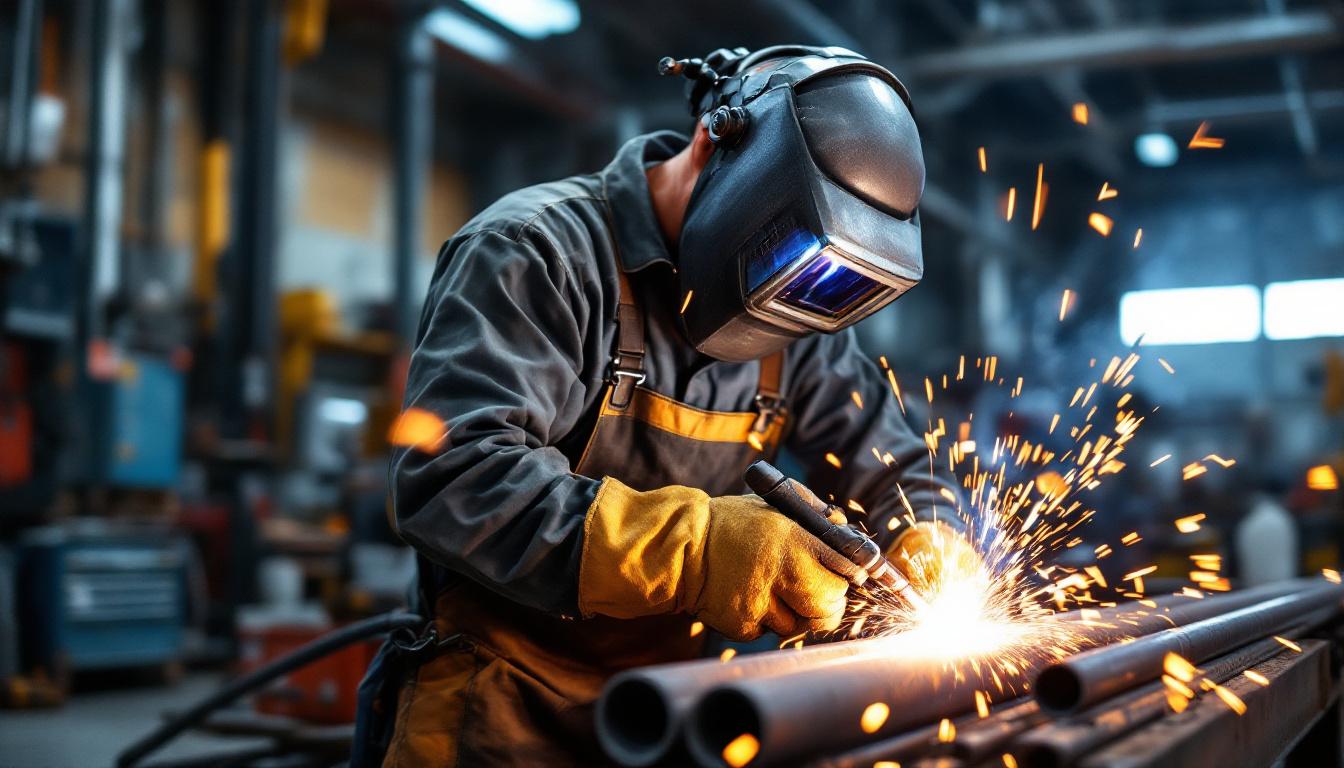
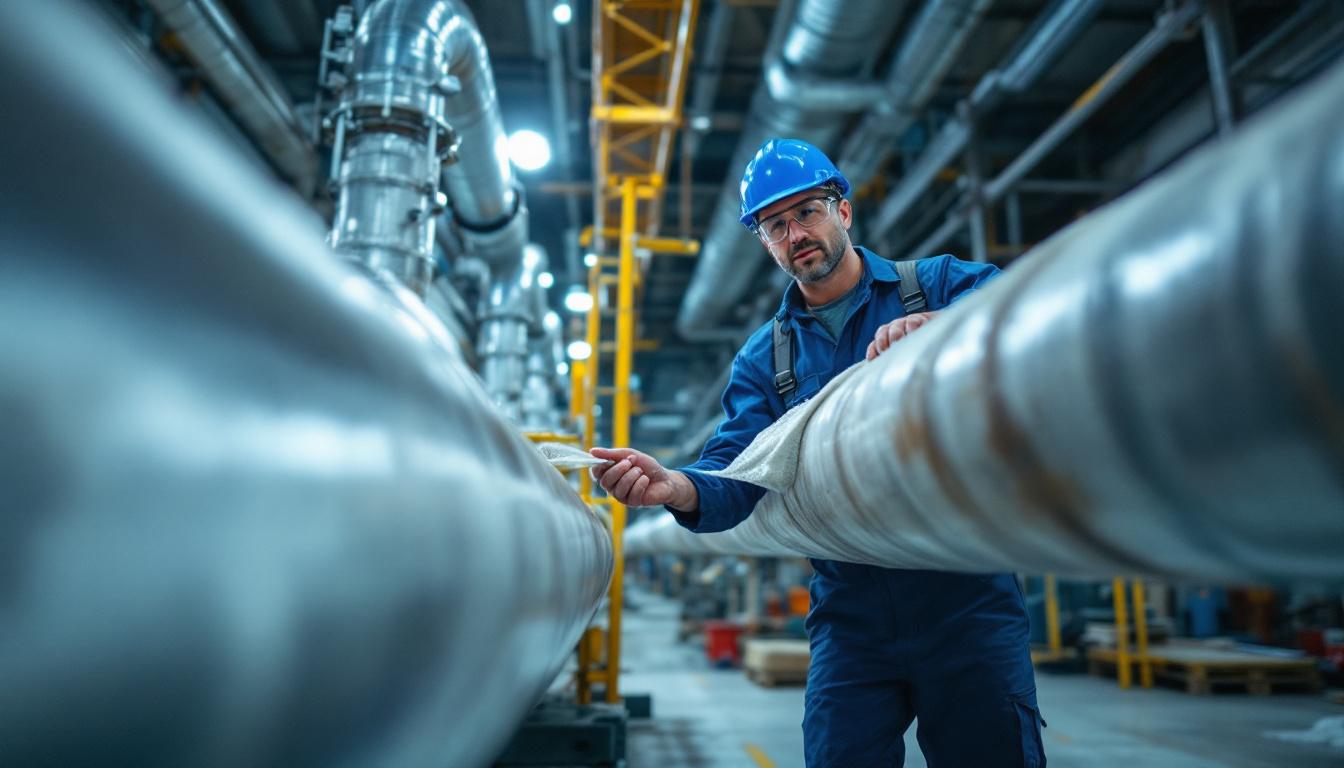
Graduates of this associate degree can work as boilermakers in various industries such as construction, manufacturing, energy production, and shipbuilding. The job involves assembling, installing, and repairing boilers and large metal containers that hold liquids or gases under pressure. Employers value the practical skills and safety knowledge gained in the program. The demand for boilermakers is generally steady, with opportunities in industrial plants, refineries, and infrastructure projects. The work can be physically demanding and may require travel or work in different environments. Career advancement is possible with experience and additional certifications.
- Graduates typically become boilermakers or metal fabricators.
- They find jobs in construction, manufacturing, and energy sectors.
- Work settings include power plants, shipyards, and industrial facilities.
- The job involves installation, maintenance, and repair of boilers.
- Physical work and adherence to safety standards are daily requirements.
- Employment opportunities are generally stable with potential for growth.
Continuing your studies
After earning this associate degree, students may choose to continue their education or specialize further. Some pursue advanced technical certificates or diplomas in welding, pipefitting, or industrial maintenance. Others may enroll in bachelor’s degree programs in related fields like industrial technology or engineering technology, often through transfer agreements with four-year colleges. These pathways can open doors to supervisory or technical specialist roles. Alternatively, graduates may enter the workforce directly and return to school later for continuing education or professional development courses.
- Students can pursue advanced welding or pipefitting certificates.
- Transfer to bachelor’s degrees in industrial or engineering technology is possible.
- Continuing education supports career advancement and specialization.
- Some choose professional development courses while working.
Where to study this degree (1)

Liste des 1 établissements
- Ivy Tech Community CollegeIndianapolis
Frequently asked questions
What skills will I learn in this program?
You will learn metal fabrication, welding techniques, blueprint reading, and safety procedures necessary to build and repair boilers and large metal containers.
Is prior experience required to enroll?
No prior experience is usually required, but you need a high school diploma and basic math and reading skills.
Can I work while studying?
Many programs offer apprenticeships or cooperative education allowing you to gain paid work experience during your studies.
What kind of jobs can I get after graduation?
Graduates typically work as boilermakers, metal fabricators, or pipefitters in industries like construction, manufacturing, and energy.
Is the job physically demanding?
Yes, the work involves physical labor, including lifting heavy materials and working in various environments, so good physical condition is important.
Can I continue my studies after this degree?
Yes, you can pursue advanced certificates or transfer to bachelor’s degree programs in related technical fields.
Are there safety trainings included?
Safety training is a key part of the curriculum, covering industrial codes and safe operation of equipment.
How selective is the admission process?
Admission is generally not very selective, focusing on your motivation and basic academic skills.