Winemaker
Winemaker overseeing vineyard cultivation, grape harvest management, and cellar operations across full production cycles
About
Winemaker works within a wine estate, cooperative, or négociant house to manage all stages of wine production, from vine tending and harvest coordination to fermentation control and bottling. Using tools such as refractometers, pH meters, SO2 analyzers, and cellar management software, this professional collaborates with agronomists, cellar hands, laboratory technicians, distributors, and regulatory bodies to produce wines meeting defined quality, regulatory, and commercial specifications.
Entering the profession — United Kingdom
Access to the profession is commonly through apprenticeships, agricultural colleges, or entry-level vineyard work. Practical experience is highly valued alongside formal education.
Training — United Kingdom
Training for this profession relies on vocational agricultural programs focused on viticulture and oenology, often combined with hands-on experience in vineyards. Specialized diplomas and certifications enhance employability and technical skills.
The job market — United Kingdom
The market for vignerons is moderate with stable demand. Employment is concentrated in agricultural and food production sectors, with limited remote work possibilities. Automation poses a medium risk, but skilled manual work remains essential.
Skills
Technical skills
- In-depth knowledge of viticulture and vine physiology
- Expertise in enological chemistry and laboratory analysis
- Proficient in fermentation management and microbiology
- Skilled in cellar equipment operation and maintenance
- Experience in sensory evaluation and blending techniques
- Understanding of AOC/PDO regulatory compliance
- Proficiency with cellar management software like VitiGest
- Coordination of harvest logistics and workforce management
Interpersonal skills
- Exhibits rigorous observational discipline in all tasks
- Adaptability to handle vintage variability challenges
- Capable of cross-functional team leadership
- Makes long-term quality decisions effectively
- Communicates technical concepts clearly to non-specialists
Tasks
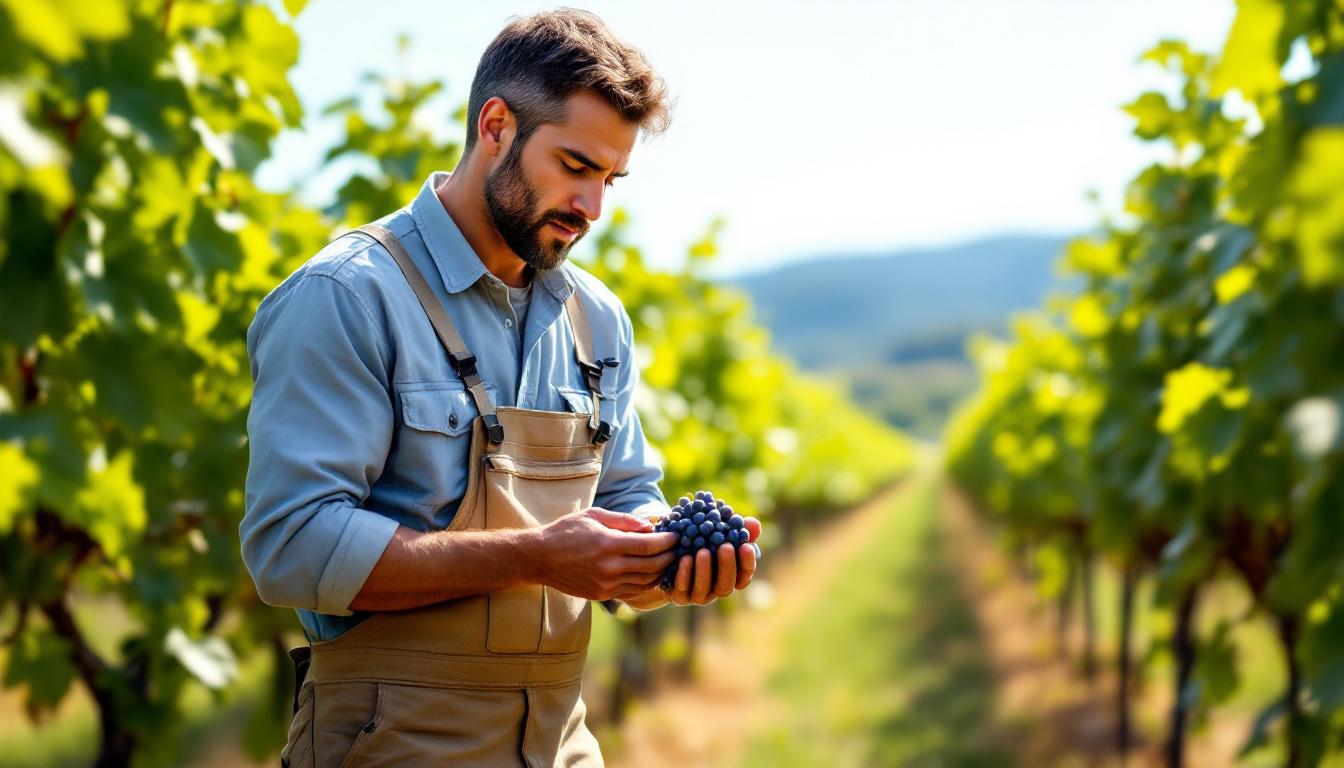
- Conduct weekly vineyard scouting to monitor vine phenology and detect disease or pest pressure
- Analyze soil and foliar samples to calibrate fertilization and irrigation schedules
- Coordinate harvest teams and determine optimal picking dates based on sugar, acid, and pH readings
- Supervise sorting, crushing, pressing, and must preparation according to appellation rules
- Monitor alcoholic and malolactic fermentation using temperature probes and gas analyzers
- Adjust SO2, tartaric acid, and fining agents to meet target chemistry profiles
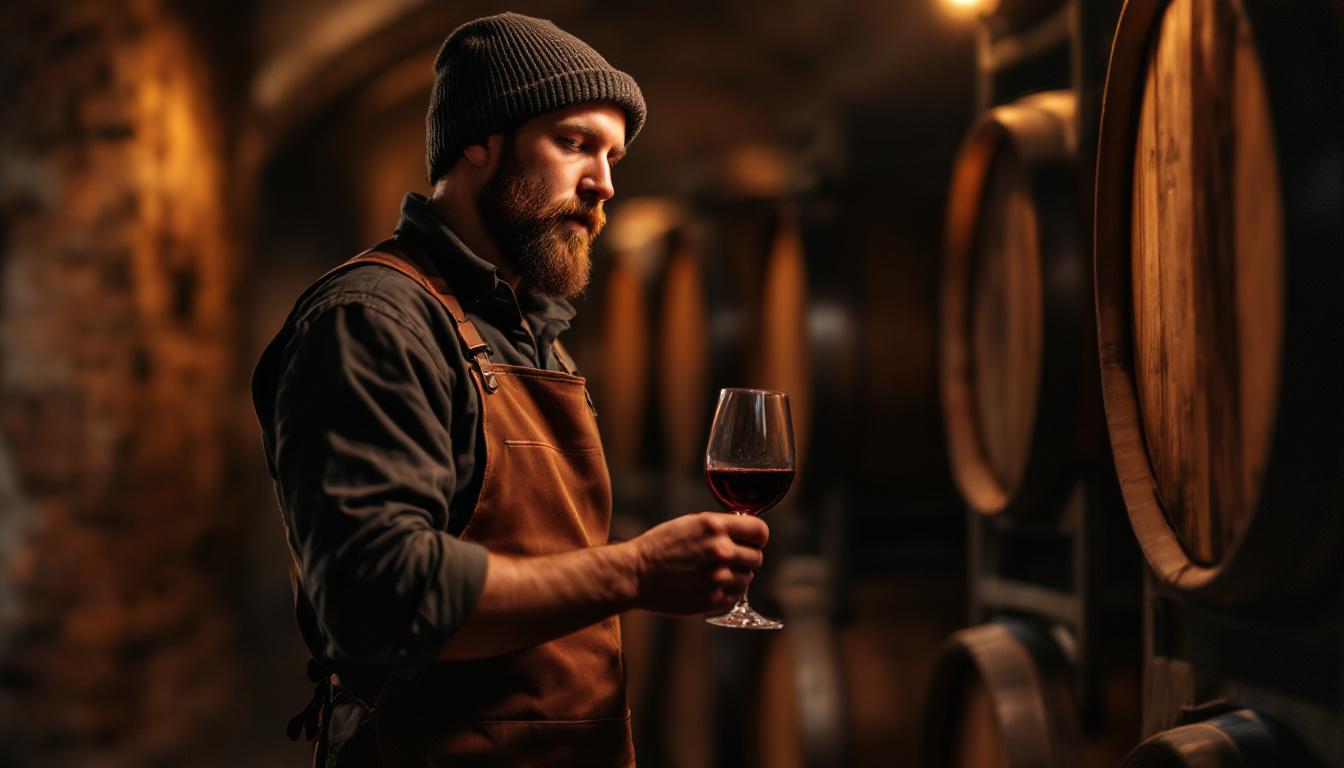
- Manage aging in oak barrels or stainless tanks, conducting regular tasting and analytical panels
- Conduct blending trials to build final assemblages aligned with house style and vintage character
- Oversee bottling line operations, QC checks, and labeling compliance with AOC/PDO regulations
- Maintain cellar inventory records and traceability logs in ERP or cellar management software
- Liaise with distributors, importers, and press for technical tastings and vintage presentations
- Prepare annual production budgets and yield forecasts for estate management review
Work environments
Work environments for professionals in this sector may vary:
Career paths
- Advance to the role of Head Winemaker to lead production
- Become a Vineyard Estate Manager overseeing operations
- Transition into a Wine Consultant offering expert advice
- Act as a Wine Brand Ambassador representing the brand
- Pursue a career as a Wine Educator or Sommelier Trainer
- Establish your own Domaine or Négociant business