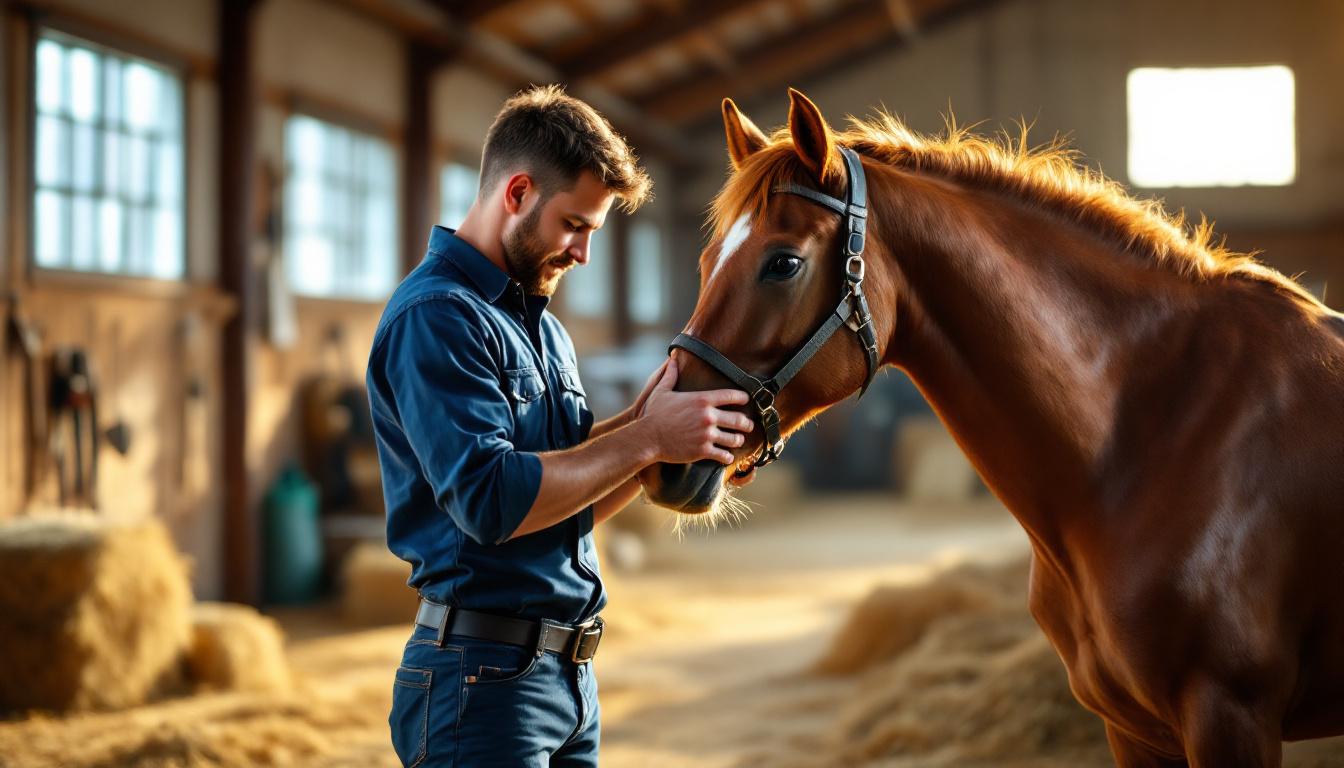
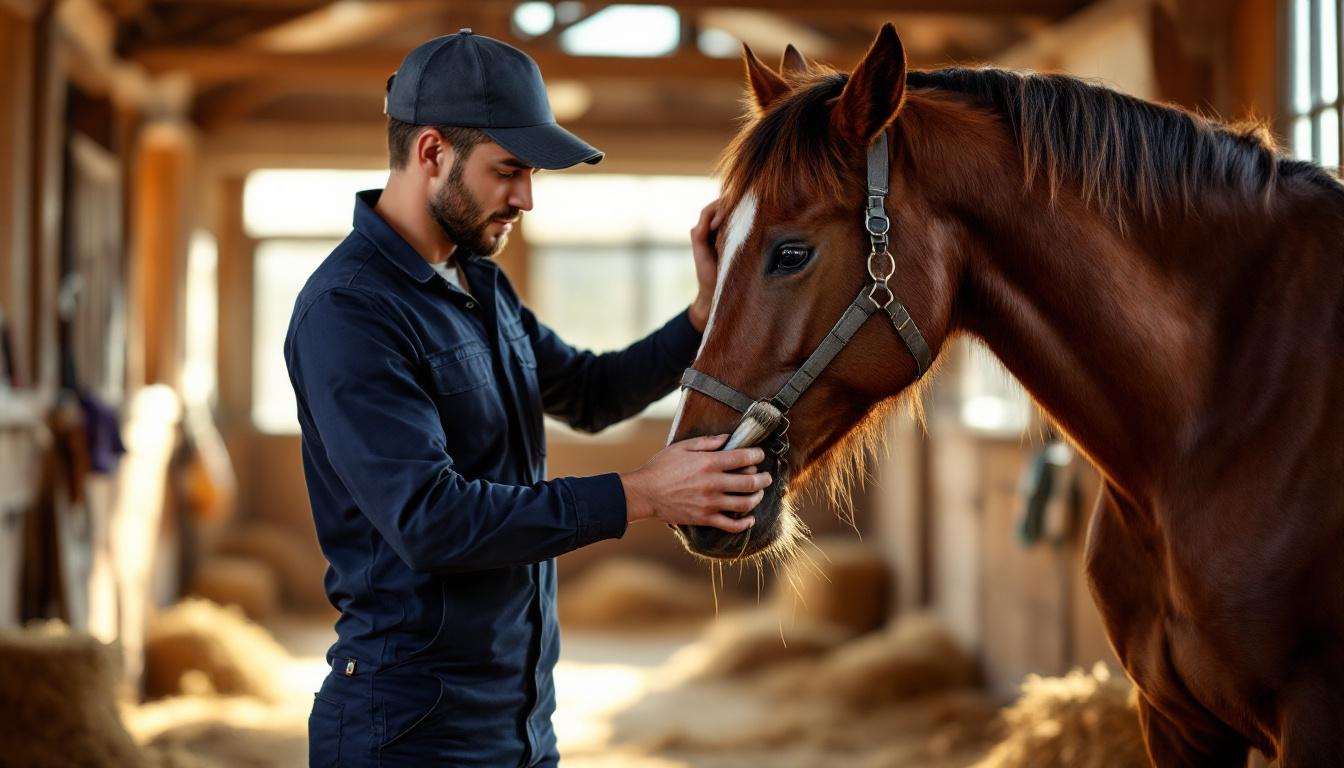
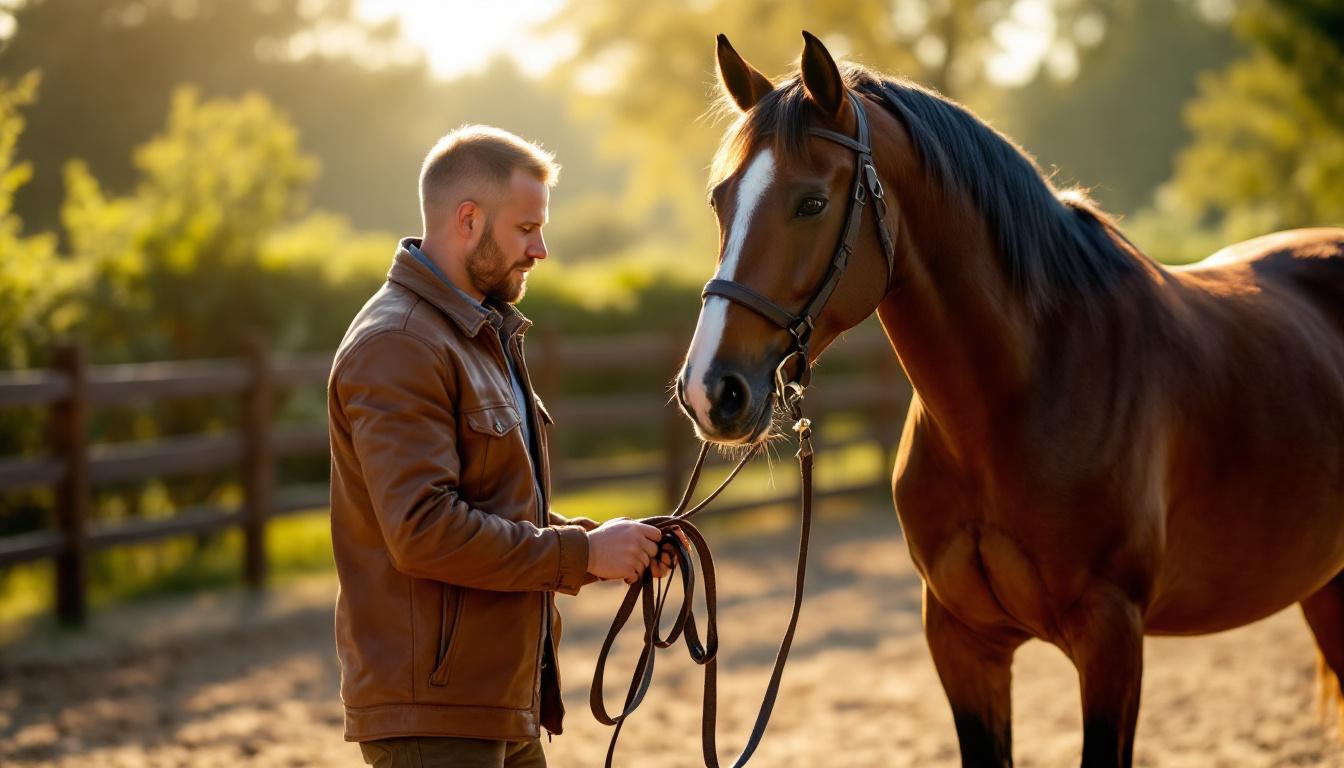
Western Riding Instructor
Design and conduct tailored Western riding lessons while ensuring the safety and well-being of both riders and horses.
About
As a Western Riding Instructor, you will play a vital role in nurturing riders to excel in Western equitation skills. Working within a dynamic equestrian center, you will design and conduct riding lessons tailored to the needs of both novice and advanced riders. Using established safety protocols, you'll be responsible for the overall safety and well-being of riders and horses. Collaborate closely with other equestrian professionals to refine training programs and maintain high standards in horse care and training. Your strategic insights will help improve students' riding performance and foster a deep appreciation for Western riding culture.
Skills
Technical skills
- Mastery of Western riding techniques and styles
- Expertise in horse health management practices
- Proficiency with equestrian safety protocols
- Skill in tailoring lessons to individual needs
- Ability to conduct thorough performance evaluations
- Experience in arena management and logistics
- Knowledge of equestrian equipment handling
- Effective client communication methods
- Understanding of rider performance metrics
- Competence in event planning skills
Interpersonal skills
- Exhibit patience and understanding with all riders
- Maintain strong communication with team and clients
- Demonstrate safety awareness in all activities
- Make informed decisions under pressure
- Foster team collaboration and synergy
- Adapt to rider needs with flexibility
- Employ motivational skills to inspire riders
- Exhibit attentiveness to detail in planning
Tasks
- Conduct personalized Western riding lessons using innovative techniques. Monitor riders' progress and adjust training programs to achieve targeted skills. Ensure horse care standards comply with safety and welfare regulations. Collaborate with the equestrian team to develop engaging lesson plans. Evaluate rider performance using specific metrics and provide detailed feedback. Plan and execute riding demonstrations for community events with the marketing team. Optimize use of equestrian facilities within budgetary constraints. Develop and maintain strong relationships with clients and stakeholders. Coordinate horse selection based on rider ability and course demands. Administer regular assessments of rider competence and program effectiveness.
Work environments
Work environments for professionals in this sector may vary:
Career paths
- Progress to Senior Riding Instructor to lead advanced courses
- Advance to Riding Program Director to oversee curriculum development
- Become an Equestrian Center Manager to handle operations
- Transition into an Equine Safety Consultant role
- Develop as a Professional Equestrian Coach for competitive riders