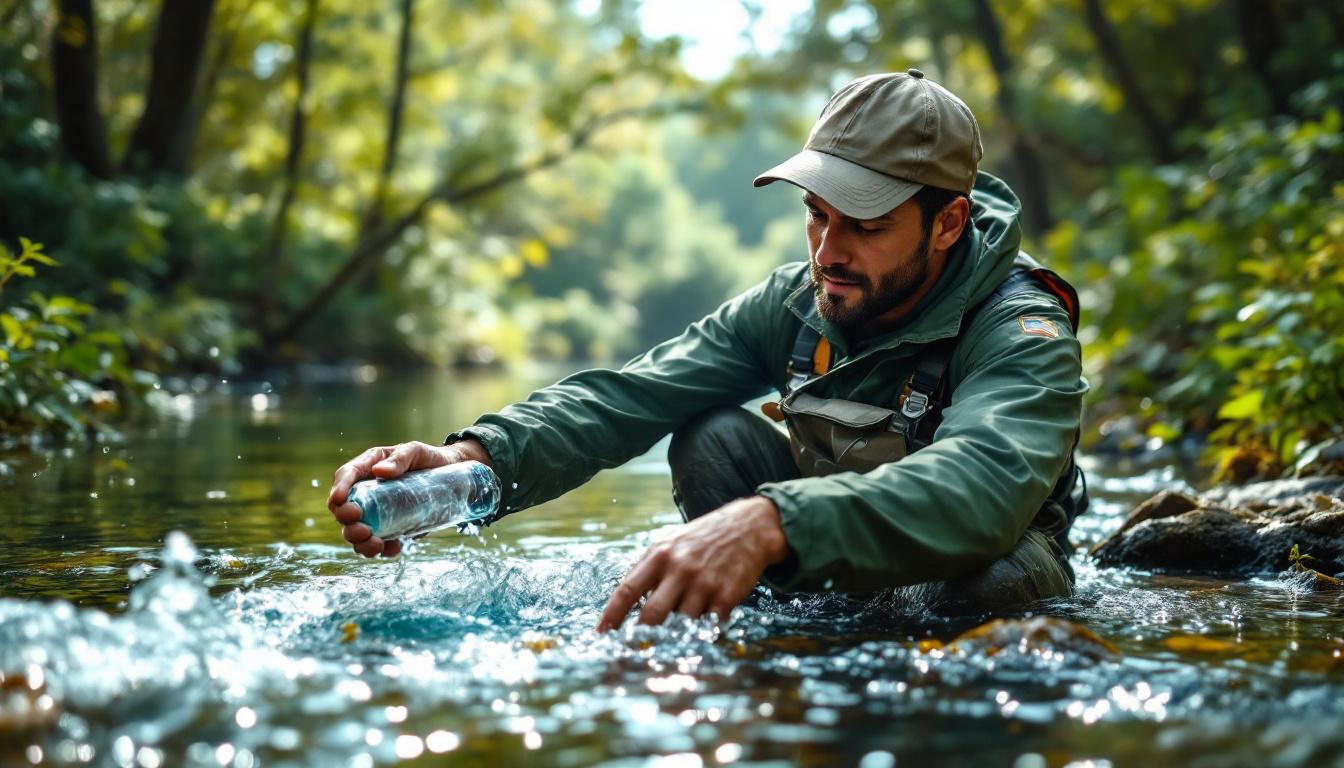
Water and Forest Works Engineer
Implement and oversee projects that improve water quality and conserve forest ecosystems using GIS tools and environmental assessments.
About
As a Water and Forest Works Engineer, you play a pivotal role in managing and conserving natural resources within a structured public sector environment. Your main objective is to implement and oversee projects that enhance water quality and sustain forest ecosystems. This involves using GIS tools and analytics to assess environmental impacts and ensure compliance with regulatory requirements. You will collaborate with government authorities, local communities, and stakeholders to deliver projects within budget and on schedule, thereby contributing to ecological sustainability and community welfare.
Entering the profession — Sweden
Access to the profession is generally through university education, supplemented by internships or trainee programs in forestry or environmental organizations.
Training — Sweden
The formation typically involves a master's degree in forestry or environmental engineering, combining theoretical knowledge with practical fieldwork.
The job market — Sweden
The job market includes forestry companies, environmental consultancies, and government agencies focused on natural resource management and conservation.
Skills
Technical skills
- Proficient in GIS software for spatial analysis
- Skilled in environmental impact analysis methodologies
- Experienced in project management for effective execution
- Expertise in data analysis for informed decision-making
- Knowledge of regulatory compliance to meet legal standards
- Efficient in resource allocation for optimal project delivery
Interpersonal skills
- Analytical thinking for complex problem-solving
- Strong problem-solving skills with innovative solutions
- Leadership qualities to inspire teams
- Effective communication for clear information exchange
- Team collaboration to achieve common goals
- Attention to detail ensuring precision and accuracy
Tasks
- Evaluate environmental impact using GIS and statistical tools.
- Plan and manage reforestation projects to improve biodiversity.
- Monitor water quality levels to ensure compliance with regulations.
- Optimize resource allocation to meet project deadlines and budgets.
- Coordinate with local communities to integrate sustainable practices.
- Prepare detailed reports using performance metrics for stakeholders.
- Analyze soil and water data to guide conservation strategies.
- Ensure environmental compliance with national forestry policies.
- Oversee contractor operations to meet quality and safety standards.
- Develop educational programs to promote environmental awareness.
Work environments
Work environments for professionals in this sector may vary:
Career paths
- Progress to Senior Project Manager leading large-scale initiatives
- Advance as an Environmental Consultant offering expert advice
- Become a Forestry Department Head overseeing strategic operations
- Transition to Sustainability Director driving eco-friendly policies