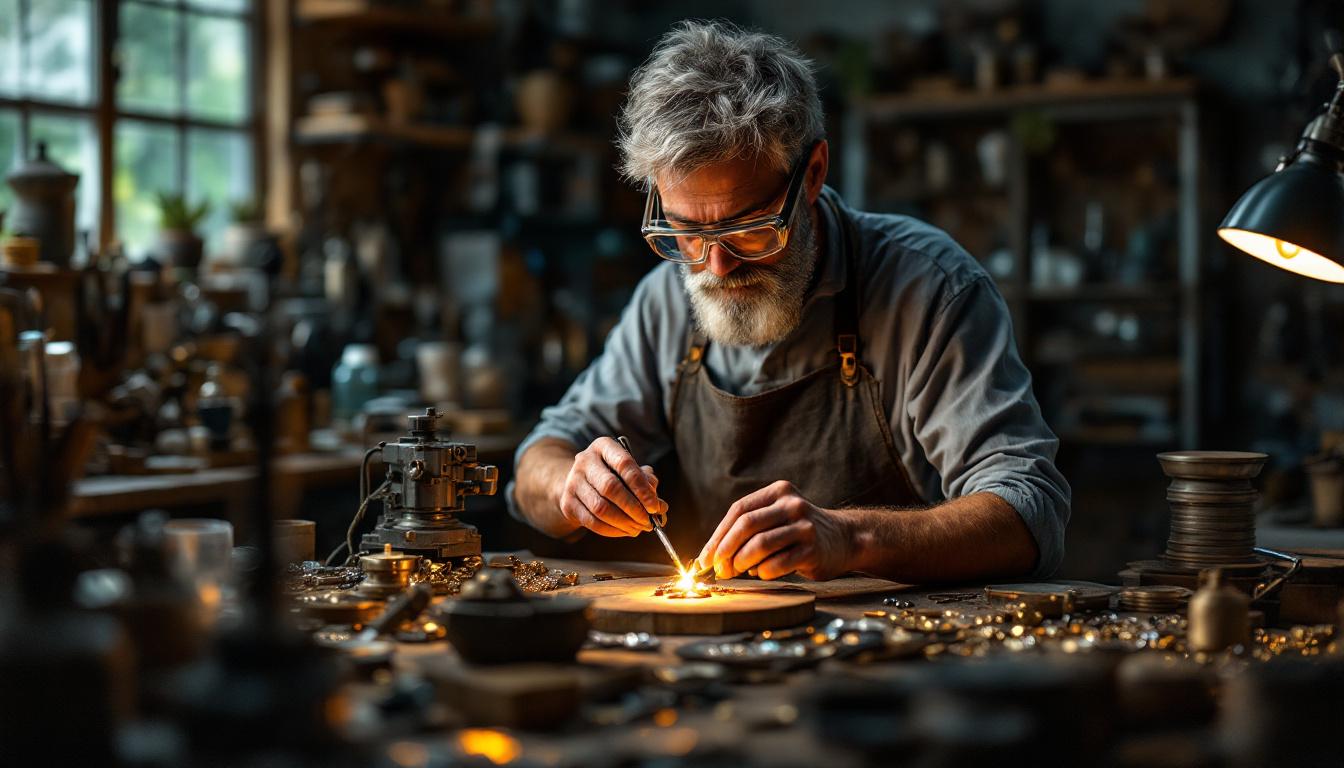
Watchmaker
Craft intricate timepieces by applying specialized tools and techniques for precision crafting, repairing, and restoring watches.
About
As a watchmaker in the distinguished horology industry, you will play a crucial role in crafting, repairing, and restoring timepieces, ensuring their precision and reliability. Working for a boutique or larger corporate entity, your primary objective will involve using specialized tools and techniques to uphold the brand's quality standards. You'll engage directly with clients to understand their needs, work under tight deadlines to meet delivery expectations, and navigate budget constraints while maintaining optimal performance metrics and customer satisfaction. Collaboration with designers and suppliers is vital for sourcing authentic parts and incorporating innovations in watchmaking.
Entering the profession — United Kingdom
Access to the profession typically requires completion of vocational training or apprenticeship programs. Prior experience in fine mechanics or jewellery can facilitate entry.
Training — United Kingdom
Training is based on a professional curriculum oriented around mechanical watchmaking, combining theoretical knowledge with hands-on practice. Apprenticeships and specialized courses provide essential skills.
The job market — United Kingdom
The market demand for skilled watchmakers is moderate, driven by luxury watch sales and repair services. Employment is stable with limited remote work possibilities. Automation risk remains low due to the precision and craftsmanship required.
Skills
Technical skills
- Expertise in movement assembly for precise watchmaking.
- Perform micromechanical repairs on intricate components.
- Interpret technical drawings for accurate implementation.
- Mastery of horological tools for skilled craftsmanship.
- Fabricate watch parts with precision in watch part fabrication.
- Calibrate timepieces for optimal performance.
- Utilize CAD for innovative watch design.
- Implement effective quality control processes.
Interpersonal skills
- Attention to detail in all tasks.
- Effective problem solving for technical issues.
- Strong client communication skills.
- Efficient time management to meet deadlines.
- Customer service orientation with a focus on satisfaction.
- Adaptability to changing environments.
- Skilled dexterity for precise work.
- Innovative thinking to enhance creativity.
Tasks
- Diagnose and repair mechanical and quartz watches using precision tools.
- Restore vintage timepieces while ensuring historical accuracy and compliance.
- Maintain meticulous records of repairs and parts used for stock levels.
- Collaborate with suppliers to source and verify genuine parts.
- Coordinate with clients to estimate costs and agree on deadlines and budgets.
- Calibrate timing mechanisms to ensure performance metrics are met.
- Use advanced diagnostics to troubleshoot complex technical issues.
- Provide expert advice to customers on watch care and maintenance.
- Implement quality control processes to meet brand compliance standards.
- Optimize workshop operations for improved efficiency and turnaround time.
Work environments
Work environments for professionals in this sector may vary:
Career paths
- Advance to the role of Master Watchmaker, leading complex projects.
- Become a Workshop Manager, overseeing daily operations.
- Progress to Technical Trainer, educating new watchmakers.
- Serve as a Quality Inspector, ensuring product excellence.
- Transition to Product Developer, innovating new designs.