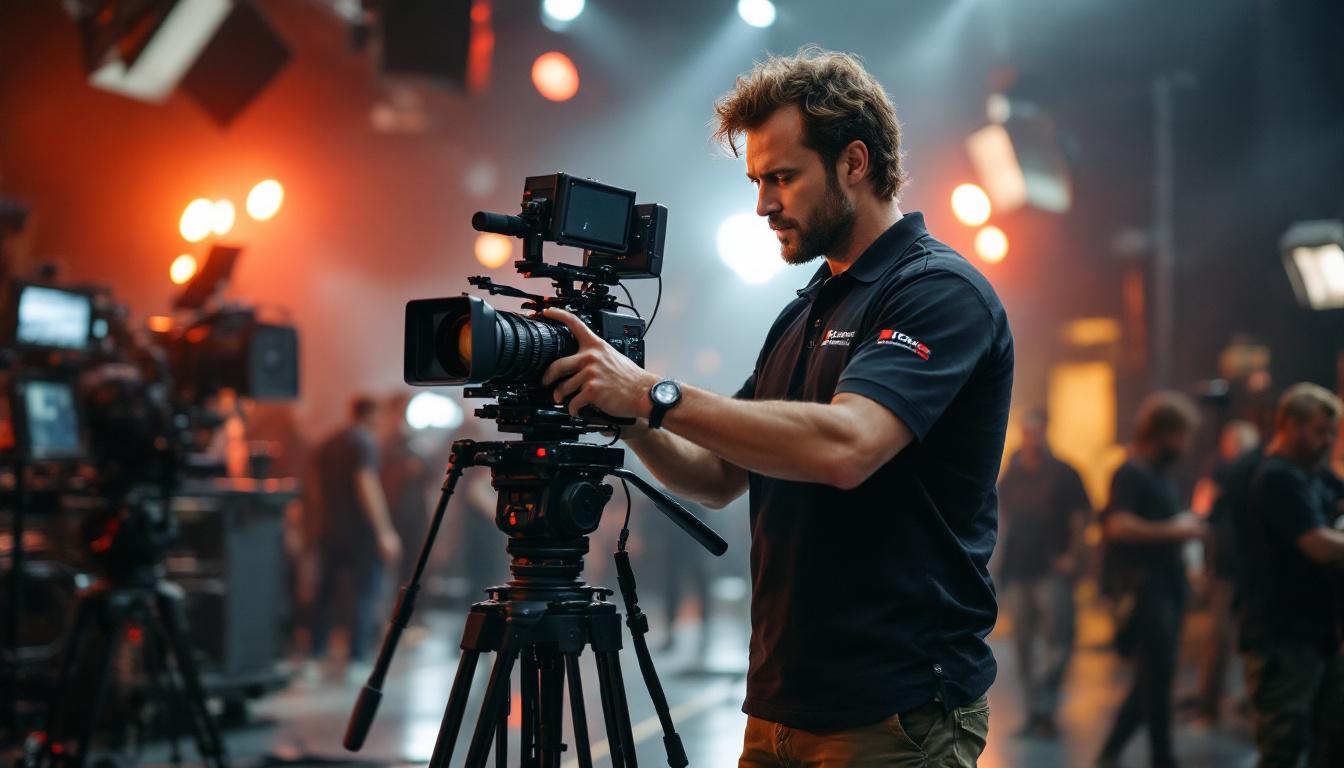
VR Director
Oversee the creative vision of immersive VR projects, aligning technical and narrative elements while collaborating with designers and developers.
About
As a VR Director, you will play a crucial role in shaping immersive experiences that captivate users. Working within a dynamic corporate environment that specializes in cutting-edge virtual reality projects, your main objective is to oversee the creative vision, ensuring that technical and narrative elements align. You will collaborate with designers, developers, and stakeholders to deliver high-quality VR content. Utilize tools like 3D modeling software and VR development kits to craft visual experiences, adhering to tight deadlines and meeting project milestones.
Entering the profession — United Kingdom
Access to the profession is usually through graduation in relevant fields, internships, and building a portfolio of VR projects. Transition paths exist from related digital and film production roles with additional VR training.
Training — United Kingdom
Training relies on professional curricula oriented towards digital media, film production, and computer graphics, enriched by specialized VR modules and workshops to master immersive storytelling and technology.
The job market — United Kingdom
The market demand is moderate with growth driven by expanding applications of VR in entertainment, advertising, education, and healthcare. Remote work is possible but many roles require collaboration in studio environments.
Skills
Technical skills
- Expertise in 3D modeling software for realistic design
- Proficiency with VR development kits for immersive experiences
- Skilled in motion capture technology for lifelike animations
- Utilize project management tools for efficient workflows
- Apply quality assessment methodologies to enhance output
- Design user experiences with intuitive interfaces
- Optimize VR performance for seamless engagement
- Leverage collaborative platforms for team synergy
Interpersonal skills
- Creative vision and storytelling to captivate audiences
- Leadership and team management for effective guidance
- Client and stakeholder engagement to build strong relationships
- Problem-solving under constraints, finding innovative solutions
- Effective cross-team communication for clarity and understanding
- Adaptability to technological changes, staying ahead
- Attention to detail, ensuring accuracy in every task
- Time management in fast-paced environments to meet deadlines
Tasks
- Lead the creation of VR content by managing the creative process.
- Collaborate closely with development teams to integrate advanced 3D modeling software.
- Manage project timelines and ensure delivery of high-quality VR experiences on schedule.
- Evaluate technical feasibility of VR concepts, liaising with tech leads.
- Conduct quality assessments of VR content, improving user interaction.
- Engage with clients and stakeholders to refine project objectives and expectations.
- Utilize performance metrics to optimize VR experiences for enhanced user engagement.
- Direct motion capture sessions to ensure realistic representation in VR.
- Communicate technical requirements to cross-functional teams effectively.
- Ensure compliance with industry standards in VR content creation.
Work environments
Work environments for professionals in this sector may vary:
Career paths
- Advance to Senior VR Director, leading larger teams
- Become Head of Creative Development, shaping the future
- Transition to VR Producer, overseeing entire productions
- Step into the role of Innovation Manager, driving new ideas
- Rise to Technical Director, guiding technological advancements