Visiting musician
Design and implement tailored music programs that foster social and cognitive development in educational and therapeutic settings.
About
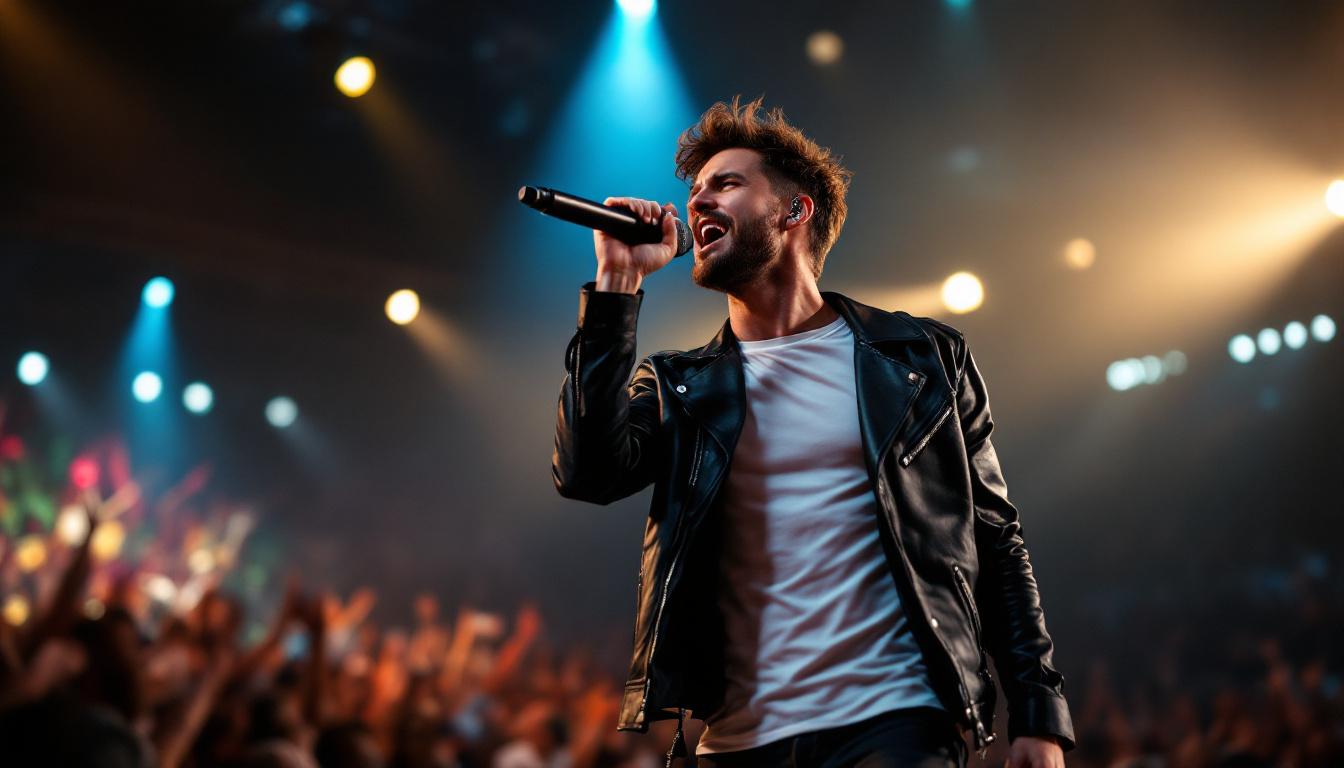
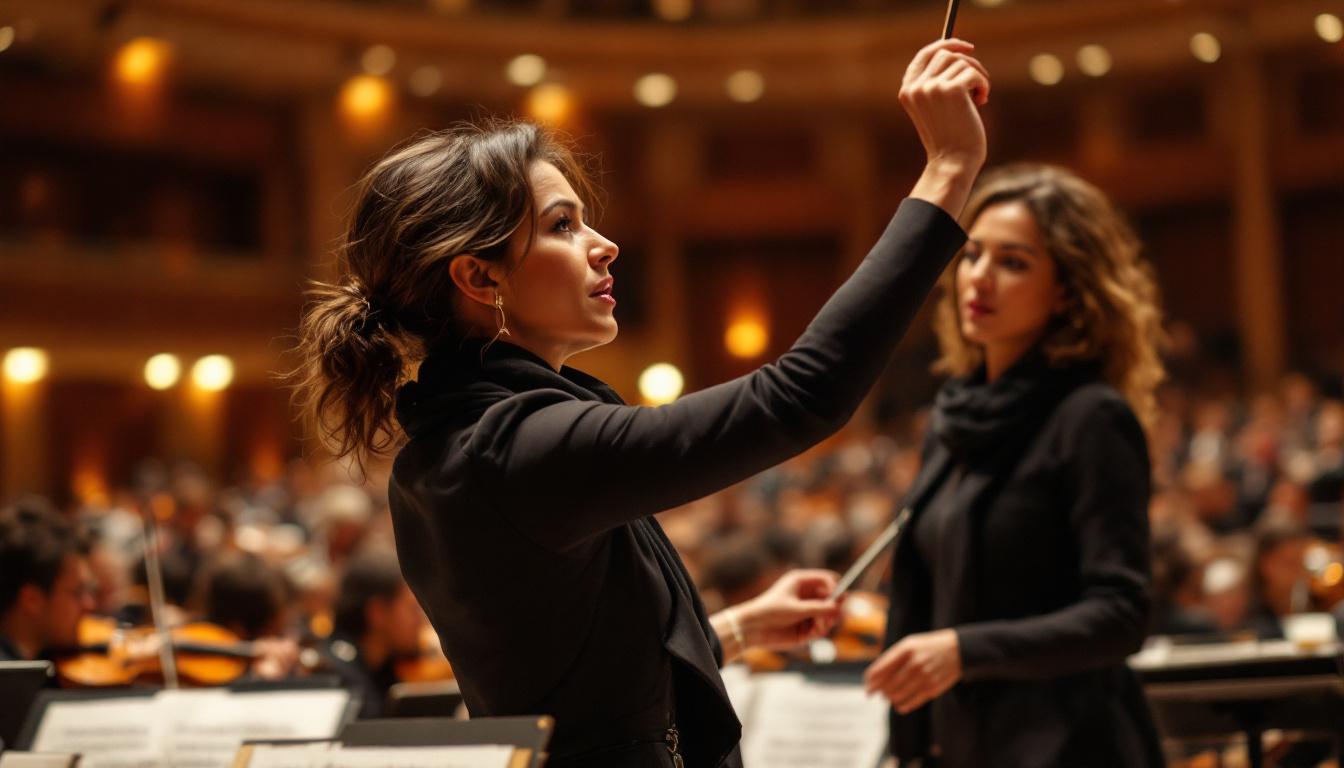
The Visiting Musician role at our organization integrates music into educational and therapeutic settings to enhance social and cognitive development. Working in diverse environments such as schools, healthcare facilities, and community centers, the musician aims to create impactful musical experiences. The role involves designing and implementing music programs, working closely with stakeholders to meet diverse objectives, and measuring the outcomes to ensure continuous improvement. Collaboration with educators, therapists, and community leaders is crucial, as is the ability to adapt to different settings and audiences. Proficiency in instruments, sound systems, and analytic tools is necessary for effective program delivery.
Entering the profession — Canada
Entry into the profession often occurs through graduation from music programs, auditions, and building a professional network. Experience and reputation can also open doors without formal education.
Training — Canada
Becoming a visiting musician typically involves formal music education combined with extensive practical experience. Many pursue diplomas or degrees in music performance from conservatories or universities. Continuous skill development and networking are essential.
The job market — Canada
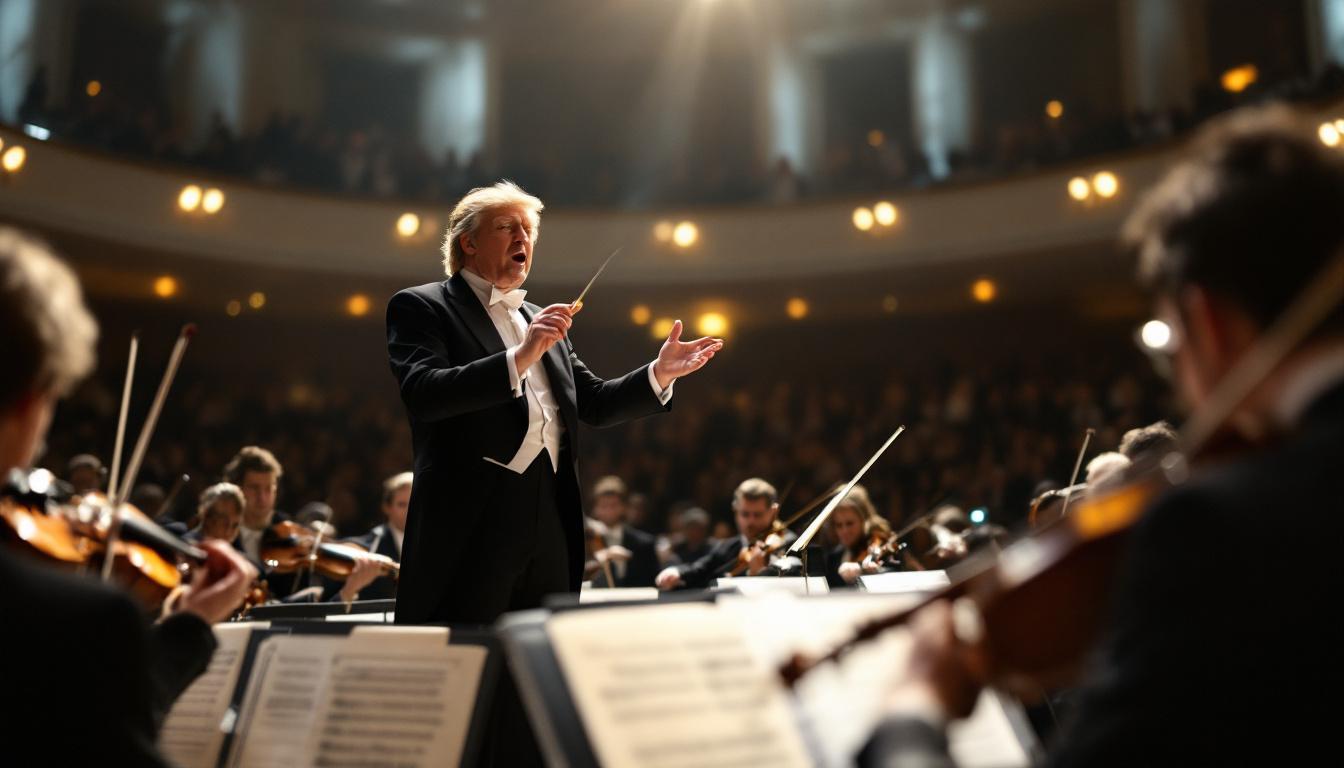
The market for visiting musicians includes educational institutions, orchestras, event organizers, and entertainment venues. Demand is moderate and often project-based, with opportunities varying by region and genre.
Skills
Technical skills
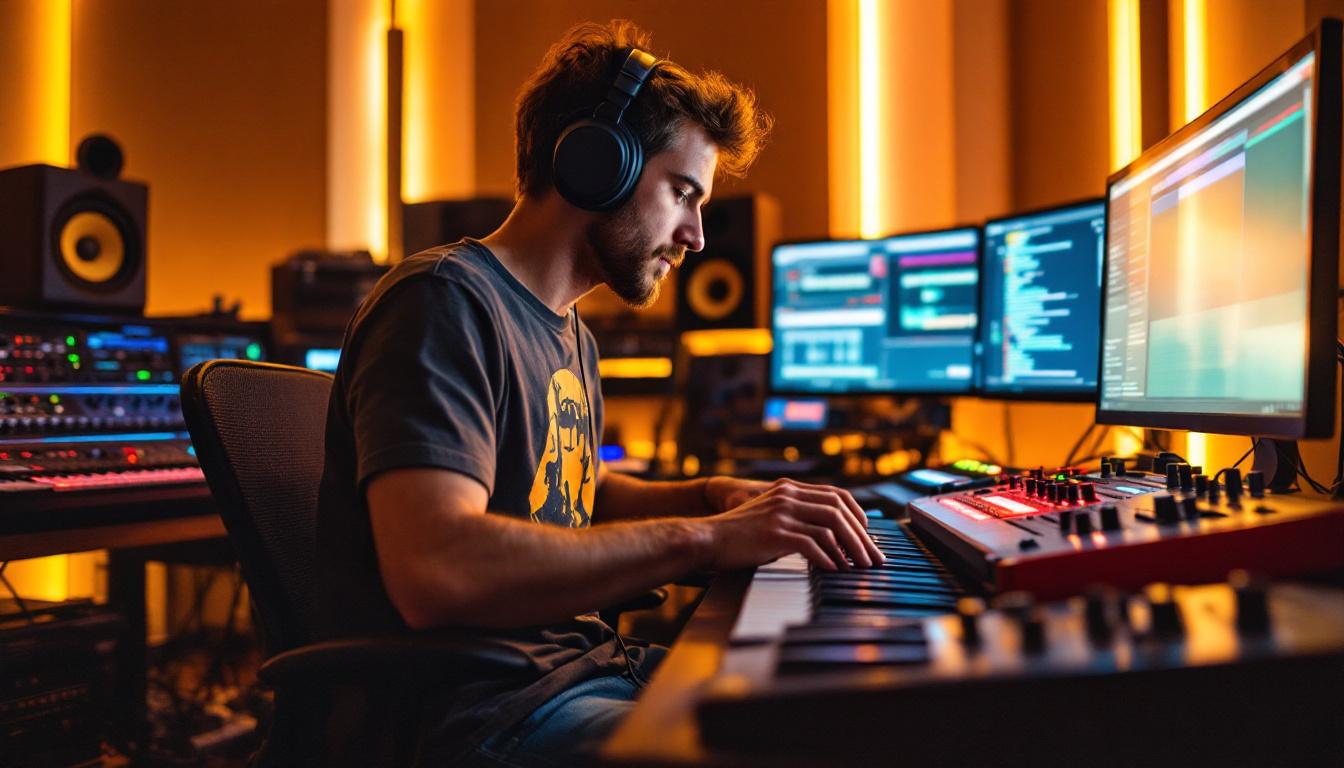
- Proficiency in Digital Audio Workstations (DAWs) for music creation.
- Apply Music Therapy Techniques to support emotional well-being.
- Demonstrate instrument proficiency across multiple genres.
- Design programs that meet specific objectives effectively.
- Conduct KPI analysis to assess program impact.
- Manage sound systems for optimal audio quality.
Interpersonal skills
- Engage in adaptive communication across diverse groups.
- Express genuine empathy towards participants.
- Foster collaboration among team members.
- Maintain cultural awareness in all interactions.
- Apply creative thinking to solve challenges.
- Utilize emotional intelligence to connect with others.
Tasks
- Develop and implement music programs using DAWs and recording tools.
- Collaborate with educators to align programs with educational goals.
- Engage with healthcare teams to support therapy objectives through music.
- Document program outcomes and client feedback with KPI analysis.
- Conduct workshops and training sessions for educators and therapists.
- Plan and execute live performances while adhering to budget constraints.
- Utilize sound system technologies for optimal program delivery.
- Coordinate with community leaders to tailor events to audience needs.
- Measure program success through participant engagement metrics.
- Adapt musical activities based on program reviews and stakeholder input.
Work environments
Work environments for professionals in this sector may vary:
Career paths
- Progress to Music Program Director to oversee comprehensive projects.
- Advance as an Educational Music Coordinator to align music with curricula.
- Become a Therapeutic Music Practitioner enhancing patient care.
- Lead as a Community Arts Leader fostering local artistic initiatives.
- Serve as a Musician-in-Residence inspiring communities through music.