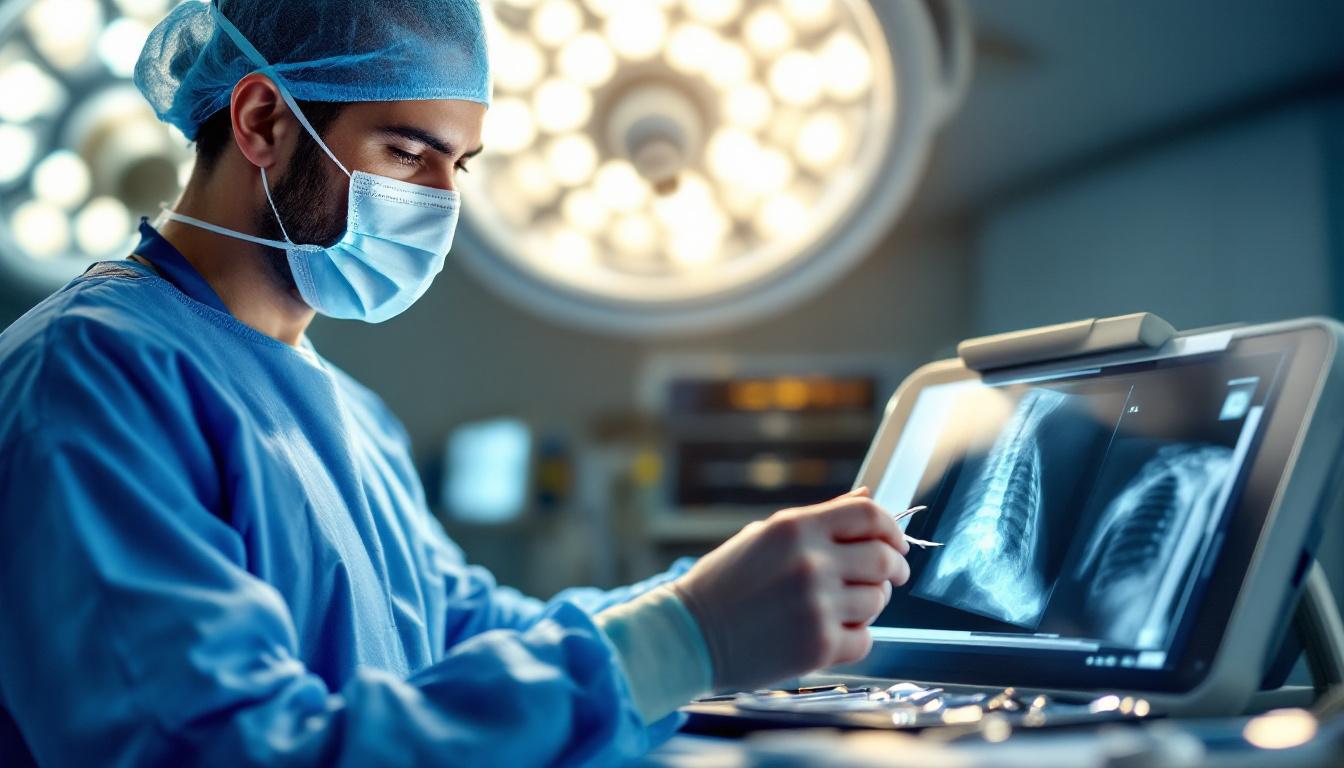
Urologist
Diagnose and manage conditions related to the urinary tract and male reproductive organs using advanced diagnostic tools and techniques.
About
As a Urologist in a dynamic healthcare setting, your role is critical in diagnosing and managing diseases related to the urinary tract and male reproductive organs. You will work collaboratively with other healthcare professionals to provide comprehensive care and ensure patient outcomes are optimized. Utilizing advanced diagnostic tools and techniques, you will conduct thorough examinations and implement treatment plans tailored to each patient's needs. The position demands a high level of expertise in urological procedures, as well as a commitment to patient education and preventive care.
Entering the profession — Australia
Entry typically requires a medical degree recognized in Australia, successful completion of internship and residency, and acceptance into a urology specialist training program. International graduates must pass Australian medical exams.
Training — Australia
To become a urologist in Australia, one must complete a medical degree followed by specialist surgical training in urology accredited by the Royal Australasian College of Surgeons. This includes internships, residencies, and fellowship programs.
The job market — Australia
The job market for urologists in Australia is stable with demand in both public and private healthcare sectors. Opportunities exist in hospitals, clinics, and academic institutions.
Skills
Technical skills
- Expertise in ultrasonography for diagnostic precision
- Proficient in laser surgery, ensuring minimally invasive procedures
- Skilled in laparoscopic techniques for efficient surgeries
- Endoscopy expertise, providing comprehensive internal views
- Mastery of prostate surgery with advanced techniques
- Pathology interpretation for accurate diagnoses
- Utilizing advanced imaging tools for detailed analysis
- Competence in robotic surgical systems for precision operations
- Urodynamic testing to assess urinary function effectively
Interpersonal skills
- Demonstrates empathy in patient care, enhancing trust
- Effective team collaboration, ensuring smooth operations
- Resilience under pressure, maintaining calm in challenging situations
- Strong communication skills for clear patient interactions
- Dedicated to continual learning, staying updated in the field
- Patient-focused mindset, prioritizing individual needs
- Attention to detail, ensuring accuracy in all aspects
- Ethical medical practice, upholding professional standards
Tasks
- Conduct comprehensive assessments using ultrasonography and other imaging tools.
- Develop treatment plans tailored to individual needs, ensuring compliance with medical protocols and patient history.
- Coordinate with anesthesiologists and surgical teams to perform operative interventions.
- Monitor patient recovery and adaptation through clinical performance metrics.
- Engage with pharmaceutical stakeholders to stay updated on the latest medications and treatments.
- Initiate and participate in research projects specific to urology to enhance departmental knowledge.
- Ensure adherence to healthcare regulations while maintaining patient confidentiality.
- Supervise and mentor junior medical staff, ensuring quality care delivery.
- Facilitate follow-up consultations to assess treatment efficacy and patient satisfaction.
- Utilize electronic health records to document patient progress and treatment outcomes.
Work environments
Work environments for professionals in this sector may vary:
Career paths
- Progress to become a Chief Urology Consultant, leading strategic initiatives
- Advance as a Researcher in Uropathology, contributing to scientific breakthroughs
- Elevate to the role of Medical Director, overseeing medical operations
- Lead as the Urology Department Head, shaping departmental policies
- Specialize further as a Urological Surgeon with cutting-edge expertise