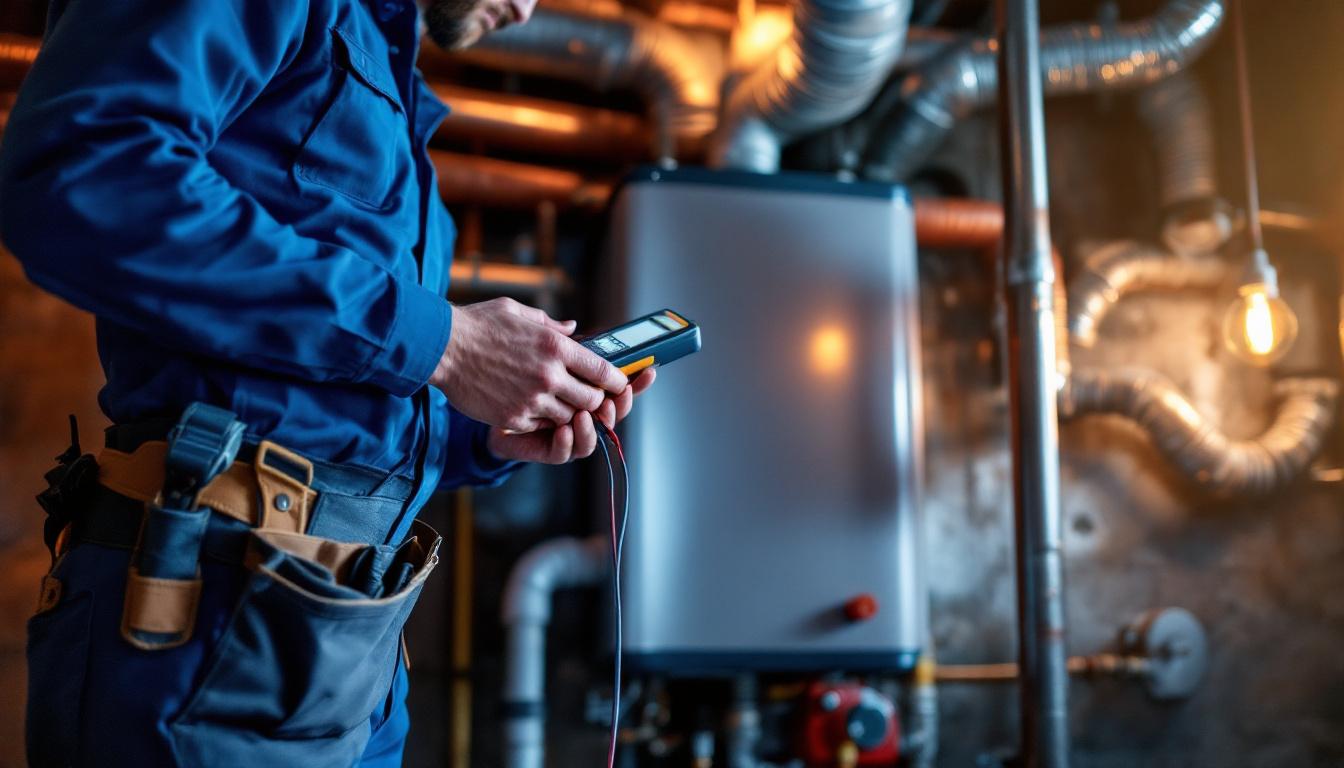
Thermal Technician
Analyze and optimize thermal processes using advanced diagnostic tools to ensure efficiency and safety in industrial thermal systems.
About
As a Thermal Technician, you will play a pivotal role in ensuring the efficiency and safety of thermal systems within an industrial environment. Your core responsibility is to analyze and optimize thermal processes using advanced diagnostic tools and performance metrics. Working closely with engineering teams, you will implement measures to reduce energy consumption and ensure compliance with industry standards. This role enhances operational sustainability and requires precision in data analysis and collaboration with suppliers to maintain optimal equipment performance.
Entering the profession — Sweden
Entry is generally through vocational schools or apprenticeships, with prior experience in mechanical or electrical fields being advantageous.
Training — Sweden
Thermal Technicians typically complete vocational education or apprenticeships focusing on heating and cooling systems, gaining practical skills in installation and maintenance.
The job market — Sweden
The job market is stable with moderate demand in energy, manufacturing, and construction sectors, driven by maintenance and energy efficiency needs.
Skills
Technical skills
- Proficient with thermal diagnostic tools for analysis
- Expertise in applying energy efficiency protocols
- Strong skills in data analysis for performance enhancement
- Ability to drive process optimization initiatives
- Knowledge of ensuring regulatory compliance
- Experience in thermal system maintenance
Interpersonal skills
- Exhibits strong analytical thinking in complex scenarios
- Proactive in problem-solving with innovative approaches
- Effective communication with diverse teams
- Keen attention to detail in all tasks
- Fosters team collaboration for shared goals
- Adaptability to changing environments
Tasks
- Conduct comprehensive thermal analysis using advanced diagnostic tools.
- Optimize energy consumption while ensuring compliance with regulatory standards.
- Coordinate maintenance schedules in collaboration with engineering teams.
- Monitor thermal system performance to meet set KPIs.
- Implement energy-efficient solutions while adhering to budget constraints.
- Consult with suppliers to explore upgraded thermal technologies.
- Facilitate training sessions focusing on thermal safety protocols.
- Prepare detailed reports for both management and regulatory bodies.
- Evaluate process efficiency and propose continuous improvements.
- Ensure seamless operation of thermal systems even under peak loads.
Work environments
Work environments for professionals in this sector may vary:
Career paths
- Advance to the role of Senior Thermal Engineer
- Transition into an Energy Efficiency Consultant position
- Become a Process Optimization Specialist
- Progress to Maintenance Supervisor overseeing operations