Sound Engineer
Operate advanced audio equipment and edit soundtracks to ensure high-quality audio for live events and studio recordings.
About
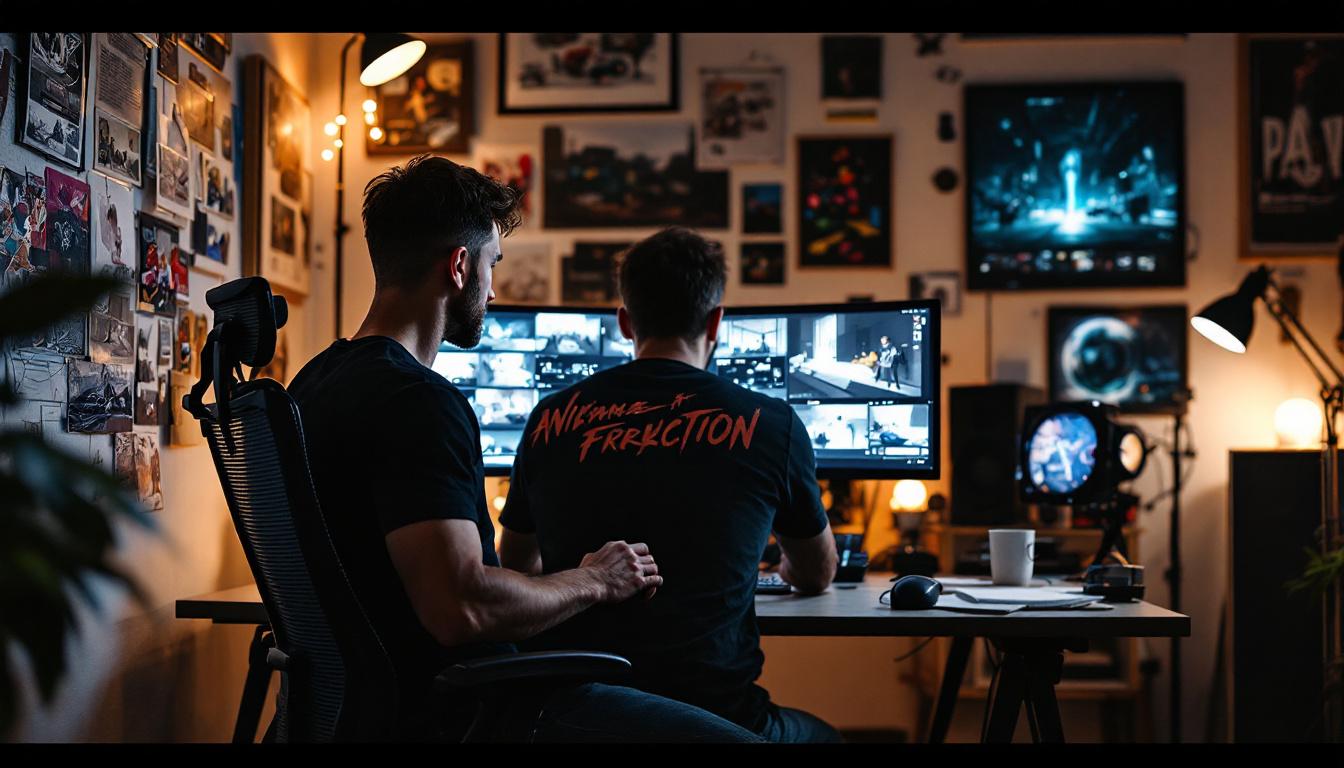
As a Sound Engineer within our vibrant media production company, you will drive audio excellence in various projects, from live events to studio recordings. Your role is pivotal in ensuring high-quality sound that meets both client expectations and industry standards. Working closely with directors and producers, you'll operate cutting-edge audio equipment and master tools such as audio editing software to enhance our productions' auditory experience. The ability to troubleshoot under pressure and maintain equipment is essential, as is collaborating with technicians to streamline setup processes within budget constraints.
Entering the profession — United Kingdom
Access to the profession typically requires completing a specialized degree or diploma, followed by internships or apprenticeships to gain hands-on experience and industry contacts.
Training — United Kingdom
Training relies on professional-oriented courses in sound engineering, combining theoretical knowledge with practical studio experience. Technical skills in audio equipment and software are emphasized.
The job market — United Kingdom
The job market shows moderate demand, driven by media production, music recording, and live event industries. Remote work is possible but often limited by the need for on-site audio setup and live mixing. Automation poses some risk, particularly in routine tasks, but creative and technical expertise remain essential.
Skills
Technical skills
- Expertise in digital audio workstations for sound editing
- Proficient use of audio mixing consoles
- Create sound effects through advanced synthesis techniques
- Master microphone placement techniques for clarity
- Conduct regular audio equipment maintenance
- Analyze and edit soundwaves for precision
- Apply knowledge of acoustic design effectively
- Extensive experience in live sound environments
Interpersonal skills
- Attention to detail in sound quality
- Strong problem-solving under pressure
- Adaptability to various acoustic environments
- Clear communication with creative teams
- Efficient project management skills
- Resilience in fast-paced settings
- Collaboration with diverse teams
Tasks
- Operate and calibrate audio equipment for optimal sound quality in live and studio settings.
- Collaborate with directors and producers to achieve desired audio effects within project timelines.
- Edit and mix soundtracks using digital audio workstations and software tools.
- Conduct sound checks with performers and adjust for optimal balance and clarity.
- Ensure all audio outputs comply with industry standards and client specifications.
- Troubleshoot technical audio issues promptly during performances or recordings.
- Maintain and repair sound equipment to ensure peak operational performance.
- Manage audio recordings and archives for future reference and project conformity.
- Optimize acoustics and sound localization in various environments, respecting budget constraints.
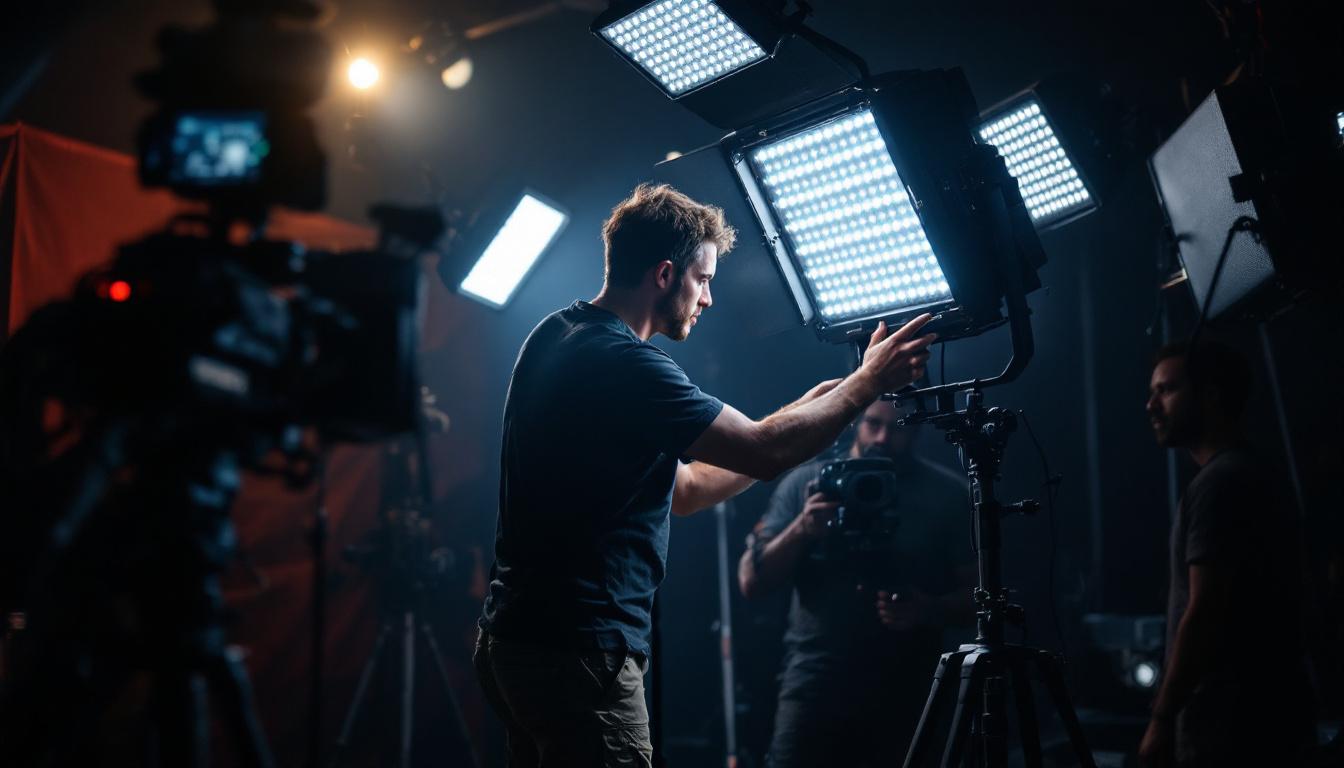
- Coordinate with lighting and visual teams to ensure seamless production integration.
Work environments
Work environments for professionals in this sector may vary:
Career paths
- Advance to Senior Sound Engineer to lead complex projects
- Progress to Audio Production Manager overseeing production teams
- Become a Technical Director guiding audio innovations
- Lead as a Live Sound Supervisor for major events
- Consult as an Acoustic Consultant in diverse settings