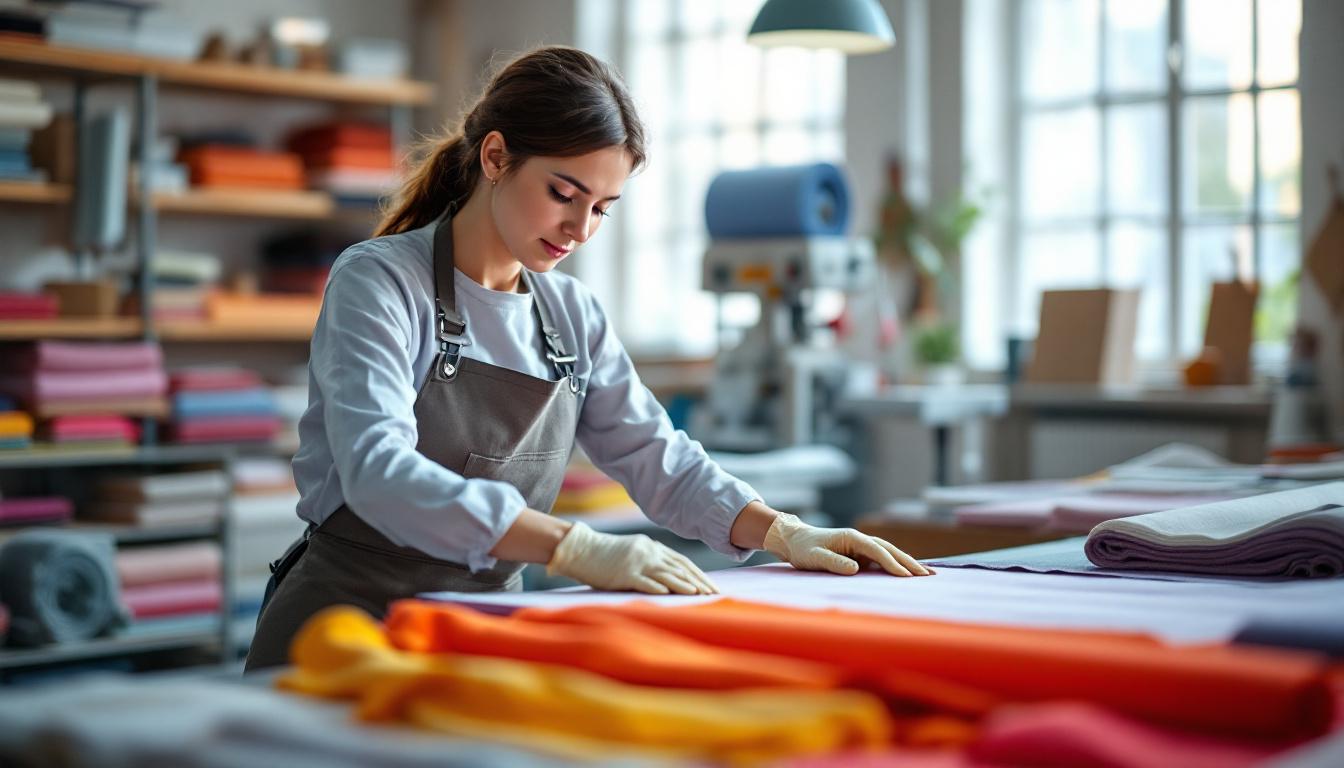
Sewer
Utilize industrial sewing machines to construct high-quality textile products while ensuring precision and meeting production deadlines.
About
As a skilled Sewer, you will play a critical role in a fast-paced manufacturing environment, ensuring the quality and precision of textile products. You will work closely with the production team to meet tight deadlines and maintain high standards of craftsmanship. Utilizing industrial sewing machines and other tools, your work will directly impact product durability and customer satisfaction. Attention to detail and the ability to work within specified budgets and timelines are crucial. Join us to enhance production efficiency and contribute to our reputation for excellence in the textile industry.
Entering the profession — South Africa
Entry is typically through completion of secondary education followed by vocational training or apprenticeship in plumbing or civil engineering trades.
Training — South Africa
Training generally involves vocational education and apprenticeship programs focusing on practical skills in sewer installation and maintenance.
The job market — South Africa
The job market is stable with steady demand in municipal and construction sectors due to infrastructure needs and urban expansion.
Skills
Technical skills
- Mastery in industrial sewing machine operation.
- Expertise in fabric cutting techniques for precise results.
- Skilled in blueprint interpretation for accurate production.
- Proficient in quality control methods ensuring standards.
- Adept at mechanical troubleshooting of equipment.
- Knowledge in textile finishing techniques for polished products.
Interpersonal skills
- Strong attention to detail in every project.
- Effective problem-solving under tight schedules.
- Superior time management balancing multiple tasks.
- Exceptional team collaboration fostering synergy.
- High adaptability to changing production needs.
Tasks
- Operate and maintain industrial sewing machines to ensure consistent quality and output.
- Review and interpret sewing instructions and blueprints for accurate production.
- Inspect completed garments for defects and perform necessary repairs to comply with quality standards.
- Adjust machine settings to accommodate different fabrics and sewing techniques as required.
- Coordinate with the production team to prioritize tasks and meet delivery deadlines.
- Maintain inventory of sewing materials and request supply replenishments within budget constraints.
- Record production data and report discrepancies to management for process improvement.
- Ensure compliance with health and safety regulations in the workplace.
- Implement quality checks at various stages of the production process.
- Collaborate with design teams to suggest improvements in production techniques.
Work environments
Work environments for professionals in this sector may vary:
Career paths
- Advance to Production Supervisor to lead teams.
- Become a Quality Control Specialist ensuring garment excellence.
- Transition to Textile Designer creating innovative patterns.
- Progress to Operations Manager overseeing entire workflows.