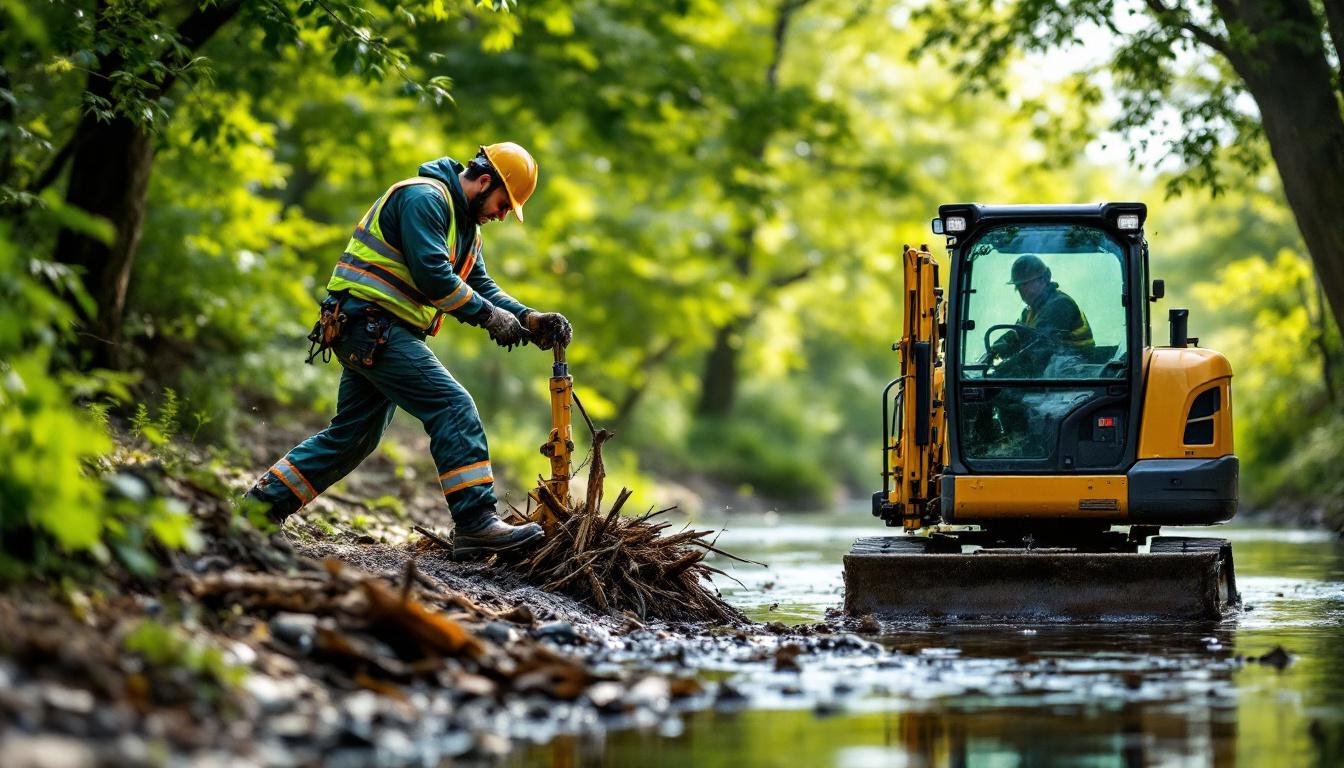
Sanitary Engineering Engineer
Design and implement environmentally safe water and waste systems while ensuring compliance with health and safety standards and optimizing project costs.
About
As a Sanitary Engineering Engineer in the public sector, you play a critical role in enhancing public health and safety. Your primary objective is to design and implement environmentally safe engineering solutions for water and waste systems. Working closely with government regulators and environmental scientists, you ensure compliance with health and safety standards. You utilize advanced CAD software and hydraulic modeling tools to optimize designs and meet project deadlines within budgetary constraints. Your efforts directly impact urban planning and sustainability, making you an essential part of the community's developmental efforts.
Skills
Technical skills
- Expertise in CAD software for precise design creation
- Proficient in hydraulic modeling tools for system analysis
- Thorough understanding of environmental regulations
- Skilled in project management software for efficient tracking
- Experience with GIS systems for geospatial analysis
- Knowledgeable in water quality testing methods
- Familiarity with pump and valve systems
- Competence in AutoCAD for detailed drafting
Interpersonal skills
- Analytical thinking to drive innovative solutions
- Effective communication ensuring clear understanding
- Problem-solving skills to address challenges
- Collaboration fostering team synergy
- Attention to detail ensuring precision
- Adaptability to navigate changing environments
- Leadership guiding teams towards success
Tasks
- Develop and refine water supply systems using specialized CAD software.
- Implement waste treatment processes, ensuring compliance with environmental standards.
- Collaborate with urban planners to integrate sanitary systems into new developments.
- Monitor project progress against key performance metrics and deadlines.
- Conduct field assessments to evaluate system performance and suggest improvements.
- Prepare technical reports for stakeholders, detailing system efficiencies and improvements.
- Coordinate with regulatory bodies to ensure adherence to health and safety regulations.
- Optimize resource allocation to balance project budgets and environmental impact.
- Design emergency response plans in collaboration with local authorities.
- Evaluate new technologies for potential application in sanitation projects.
Work environments
Work environments for professionals in this sector may vary:
Career paths
- Progress to Environmental Engineering Manager to lead larger teams
- Advance to Urban Planning Director overseeing city projects
- Become a Senior Sanitary Engineer with specialized expertise
- Step up to Project Director managing complex initiatives
- Evolve into a Chief Sustainability Officer guiding corporate policies