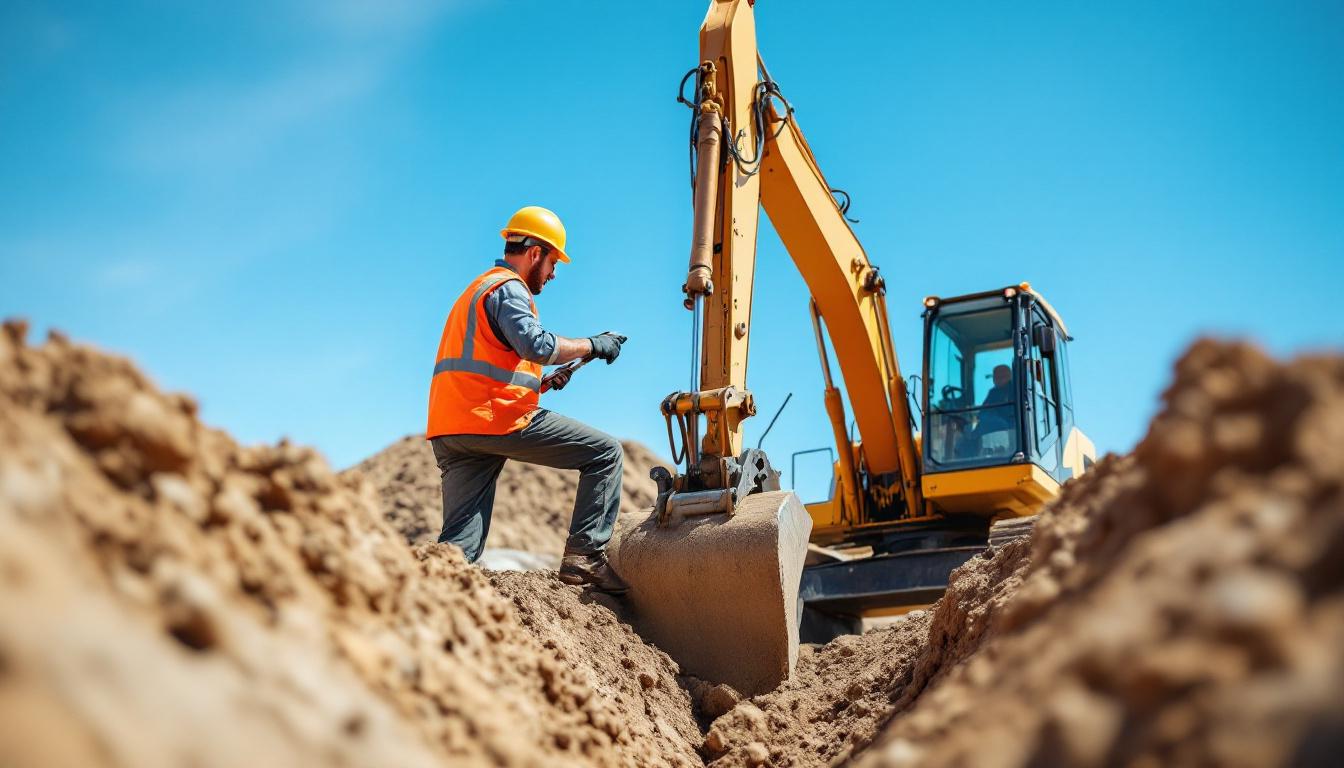
Public Works Equipment Mechanic
Diagnose mechanical issues and perform repairs on heavy machinery to ensure the reliable operation of public works equipment.
About
As a Public Works Equipment Mechanic, you play a crucial role in maintaining the infrastructure that supports our community. Working primarily within the public sector, your main objective is to ensure the efficient operation of heavy machinery such as excavators and bulldozers. Collaborating with field teams and complying with safety regulations, you identify mechanical issues using diagnostic tools, perform repairs, and schedule preventive maintenance to minimize downtime. Your expertise directly impacts project timelines and budget adherence, contributing to a well-functioning public works environment.
Entering the profession — India
Access to the profession typically requires completion of a vocational diploma or ITI certification in mechanical engineering or related fields. Apprenticeships and on-the-job training are common entry points, allowing candidates to gain hands-on experience under supervision.
Training — India
The formation relies on a professional curriculum oriented towards mechanical maintenance of heavy construction machinery. Training includes theoretical knowledge and practical workshops, focusing on engine, hydraulic, and electrical systems of equipment used in earthworks and construction.
The job market — India
The labor market shows strong demand for skilled heavy equipment mechanics due to ongoing infrastructure development and mining activities. Employers include construction firms, mining companies, and equipment rental services. Job security is generally good, though automation of some diagnostic tasks poses a moderate risk to long-term employment.
Skills
Technical skills
- Excel in hydraulic systems troubleshooting for efficient repairs
- Master diesel engine repair to enhance engine performance
- Skilled in welding and fabrication for custom solutions
- Expertise in electrical diagnostics to resolve complex issues
- Interpret mechanical drawings for precise component assembly
- Proficient in using computerized maintenance management systems (CMMS)
- Maintain pneumatic systems for optimal functionality
- Navigate inventory management software to ensure resource availability
- Implement preventive maintenance strategies to extend equipment lifespan
Interpersonal skills
- Demonstrate problem-solving in high-pressure situations
- Effective communication with team members and stakeholders
- Show attention to detail in every maintenance task
- Adaptability in changing work environments
- Proactive approach to equipment maintenance and care
- Foster team collaboration for project success
- Commitment to workplace safety and best practices
Tasks
- Diagnose equipment issues using specialized diagnostic tools.
- Perform timely repairs to minimize machinery downtime and project delays.
- Conduct regular preventive maintenance to ensure equipment reliability.
- Collaborate with field teams to prioritize urgent repair needs based on project deadlines.
- Maintain detailed records of repairs and parts inventory for compliance tracking.
- Ensure all repairs meet safety regulations and industry standards.
- Liaise with suppliers to order parts and manage inventory levels effectively.
- Train operators on equipment care to prolong machinery lifespan.
- Update maintenance logs utilizing asset management software.
- Report on machine performance to management for budget planning.
Work environments
Work environments for professionals in this sector may vary:
Career paths
- Progress to Senior Equipment Mechanic to lead complex projects
- Advance to Maintenance Supervisor overseeing multiple teams
- Become a Fleet Maintenance Manager managing large-scale operations
- Transition to Technical Trainer to educate the next generation
- Elevate to Workshop Manager to streamline repair processes