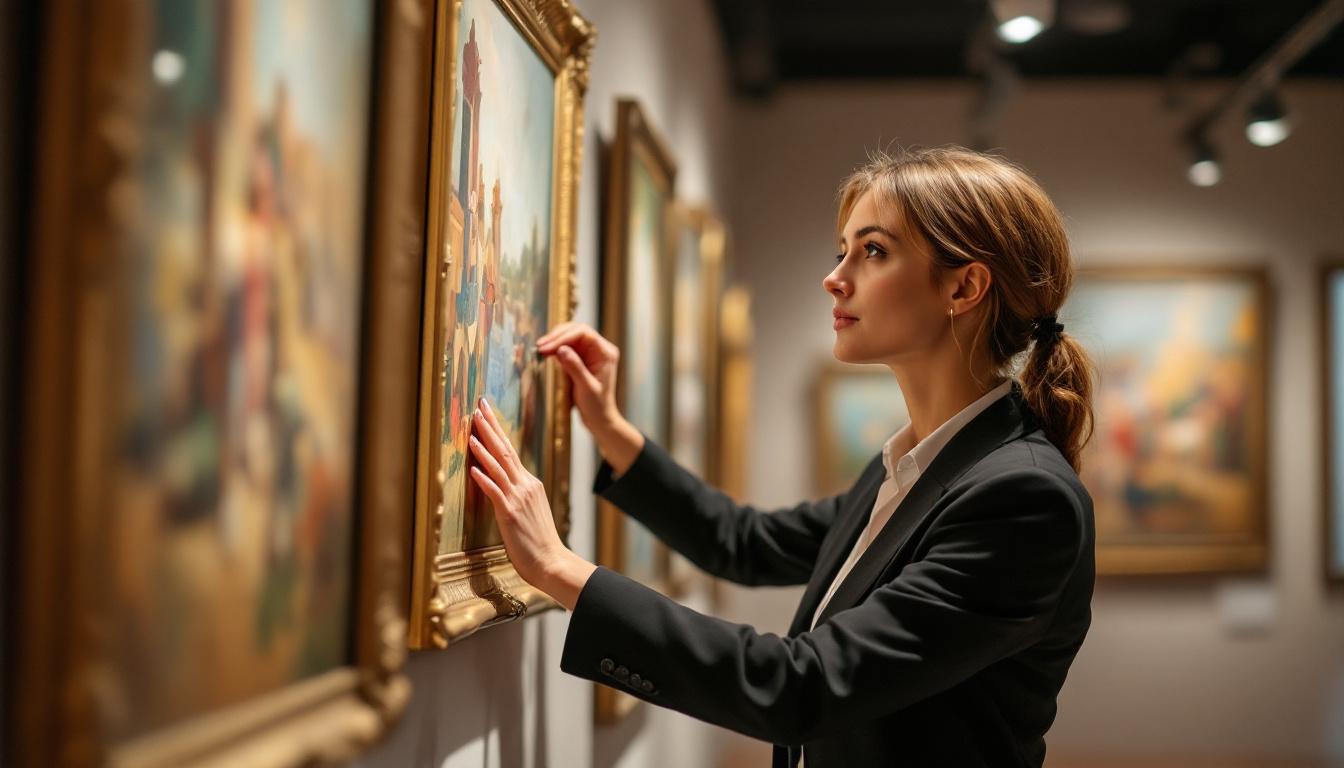
Preventive Conservation Specialist
Assess environmental conditions and implement preservation strategies to safeguard artifacts and ensure compliance with conservation standards.
About
As a Preventive Conservation Specialist in a cultural institution, you will play a crucial role in safeguarding artifacts for future generations. This position involves assessing environmental conditions and implementing preservation strategies using specialized tools like data loggers and climate control systems. You will ensure compliance with conservation standards while collaborating with curators, researchers, and facility managers to optimize preservation methods. The role requires a meticulous approach to monitor and analyze conservation metrics, driving initiatives to mitigate potential risks to collections.
Entering the profession — United Kingdom
Entry requires a relevant higher education degree complemented by internships or apprenticeships. Access routes include university programs specialized in conservation and heritage, as well as professional training certifications.
Training — United Kingdom
The formation relies on a professional curriculum oriented towards conservation science, heritage management, and preventive techniques. It typically includes theoretical studies and practical internships in museums or heritage sites.
The job market — United Kingdom
The job market is steady with moderate demand in cultural heritage institutions, museums, and archives. Growth prospects remain stable due to ongoing preservation needs, with low risk of automation given the specialized knowledge and manual skills involved.
Skills
Technical skills
- Proficient in data logger operation and analysis.
- Expertise in managing climate control systems.
- Conduct comprehensive risk assessments effectively.
- Skilled in environmental monitoring techniques.
- Utilize preservation analytics for strategic insights.
- Ensure compliance with conservation standards.
- Create thorough documentation and reporting.
- Implement preventive conservation strategies efficiently.
- Manage collections through advanced systems.
- Navigate regulatory compliance with ease.
Interpersonal skills
- Exhibit strong analytical thinking in challenging situations.
- Foster effective collaboration across departments.
- Demonstrate innovative problem-solving skills.
- Maintain rigorous attention to detail in all tasks.
- Communicate effectively to engage diverse audiences.
- Adapt to changing environments with ease.
- Make informed decisions under pressure.
- Show cultural sensitivity in diverse settings.
Tasks
- Develop and implement preservation plans using advanced dataloggers and analytics tools.
- Monitor environmental conditions and adjust climate control systems to meet conservation standards.
- Conduct risk assessments and report findings to curatorial and management teams.
- Collaborate with external specialists to ensure compliance with restoration benchmarks.
- Regularly analyze conservation metrics to identify trends and optimize preservation strategies.
- Prepare detailed documentation of conservation processes for future audits and research.
- Coordinate with facilities management to achieve optimal environmental conditions.
- Train staff and stakeholders on conservation best practices and the importance of preventive measures.
- Implement budget-conscious strategies to maximize resource efficiency while maintaining standards.
- Liaise with regulatory bodies to ensure adherence to conservation legislation and guidelines.
Work environments
Work environments for professionals in this sector may vary:
Career paths
- Progress to Head Conservation Manager to oversee comprehensive conservation efforts.
- Advance to Senior Preservation Analyst for in-depth analytical roles.
- Become a Lead Conservator, guiding restoration projects.
- Move into Collections Manager to handle extensive collections.
- Transition to a Conservation Consultant, providing expert advice.