Ornithologist
Study avian species to analyze population trends and migration patterns for informed conservation strategies and ecosystem management.
About
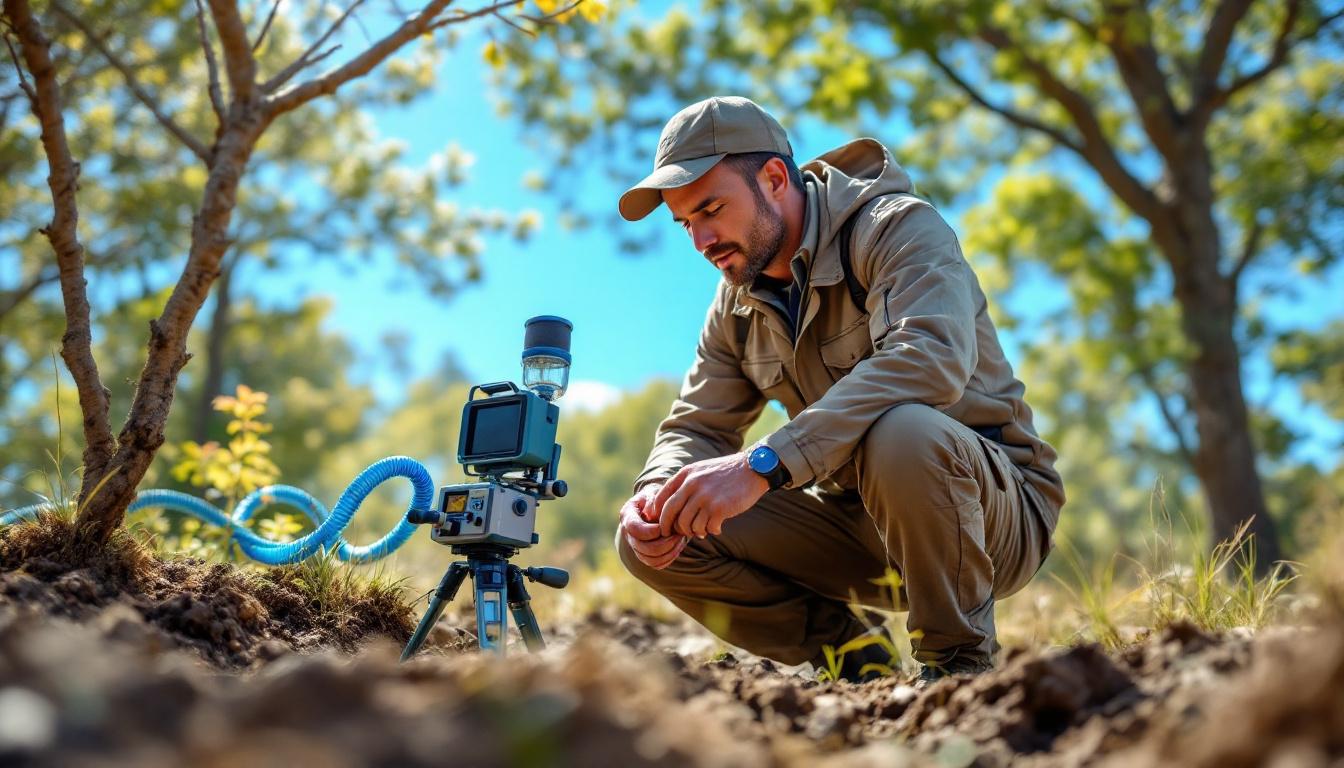
As an ornithologist in our public sector research team, you will play a vital role in studying avian species to enhance conservation efforts. Your work will directly influence biodiversity strategies and ecosystem management. Collaborating with environmental agencies and utilizing data analysis platforms, you will contribute to greater ecological understanding and policy development. Expect to work in both field and lab environments, analyzing population trends and migration patterns to provide actionable insights and informed recommendations.
Entering the profession — Australia
Entry is generally through university degrees followed by internships or research assistant positions. Experience in fieldwork and data analysis is essential.
Training — Australia
Typically requires a Master's degree in biology or environmental science with specialization in ornithology. Practical experience through internships or volunteer work is highly valued.
The job market — Australia
The job market is stable with opportunities mainly in government agencies, research institutions, and conservation organizations. Demand depends on environmental policies and funding availability.
Skills
Technical skills
- Proficient in GIS software for spatial analysis.
- Skilled in statistical analysis for data interpretation.
- Experience with drone technology for monitoring.
- Expert in data reporting and presentation.
- Knowledge of lab research techniques for analysis.
- Understanding of compliance with wildlife regulations.
- Familiar with ecological modeling for simulations.
Interpersonal skills
- Exhibit strong analytical thinking for problem-solving.
- Effective collaboration in diverse teams.
- Demonstrate excellent problem-solving capabilities.
- Keen attention to detail in research tasks.
- Ensure effective communication with stakeholders.
- Adaptability to dynamic environments and challenges.
Tasks
- Conduct field research to monitor bird populations using GIS tools.
- Analyze avian migration patterns with statistical software.
- Develop detailed reports on species diversity for environmental agencies.
- Collaborate with research institutions to share vital ecological data.
- Assess impact of environmental changes on bird habitats against KPIs.
- Utilize drone technology for habitat mapping and monitoring.
- Coordinate with wildlife conservation teams to implement projects within budget.
- Engage with local communities to promote the importance of bird conservation.
- Ensure compliance with federal wildlife protection regulations.
- Conduct laboratory tests to study avian diet and health indicators.
Work environments
Work environments for professionals in this sector may vary:
Career paths
- Progress to Senior Researcher to lead advanced studies.
- Advance to Conservation Manager to oversee projects.
- Become an Ecological Consultant providing expert advice.
- Serve as a Wildlife Policy Advisor shaping regulations.