Oenologist
Conduct scientific evaluations of wine to ensure quality control during the winemaking process, collaborating with viticulturists and production teams.
About
As an Oenologist, you have a pivotal role in the winemaking industry, focusing on enhancing wine quality through scientific and sensory evaluations. You work in a corporate setting, collaborating with viticulturists and production teams to ensure optimal grape maturity and quality control. The primary objective is to implement innovative techniques and compliance measures that optimize the production process while maximizing output quality. Your expertise in analytical tools and your ability to liaise with suppliers are crucial for maintaining product standards and achieving organizational goals.
Entering the profession — United Arab Emirates
Access to the profession is primarily through specialized university degrees or technical institutes. Apprenticeships and internships provide critical hands-on experience to complement theoretical knowledge.
Training — United Arab Emirates
Training relies on a professional curriculum focused on viticulture, fermentation science, and wine quality assessment. Practical internships in wineries are essential for skill acquisition.
The job market — United Arab Emirates
The market demand for oenologists is moderate, with opportunities concentrated in agriculture-related industries and luxury beverage sectors. Remote work is rare due to the hands-on nature of the job, and automation risk remains low given the specialized skill set required.
Skills
Technical skills
- Expertise in using spectrophotometry for quality assessments
- Proficient in analyzing fermentation data for process improvements
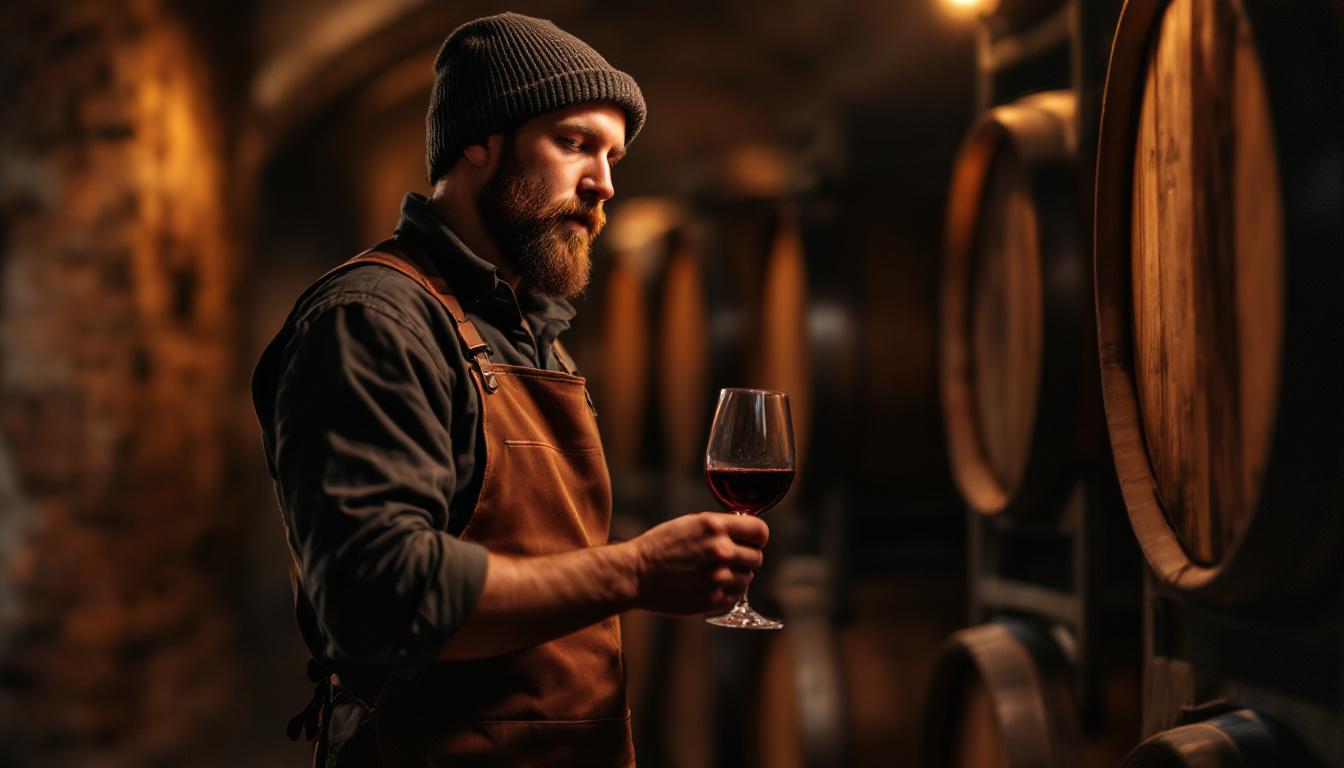
- Skilled in wine sensory evaluation to ensure product excellence
- Experience in supply chain management for efficient operations
- Conducting cost variance analysis for financial optimization
- Ensuring compliance with industry standards and regulations
- Developing training programs to enhance staff capabilities
Interpersonal skills
- Highly detail-oriented in all aspects of work
- Demonstrates strong negotiation skills with suppliers
- Excels in team collaboration for project success
- Effective in problem-solving with innovative approaches
- Exhibits leadership in guiding and mentoring teams
Tasks
- Conduct regular quality assessments of wines using spectrophotometric tools to ensure adherence to industry standards.
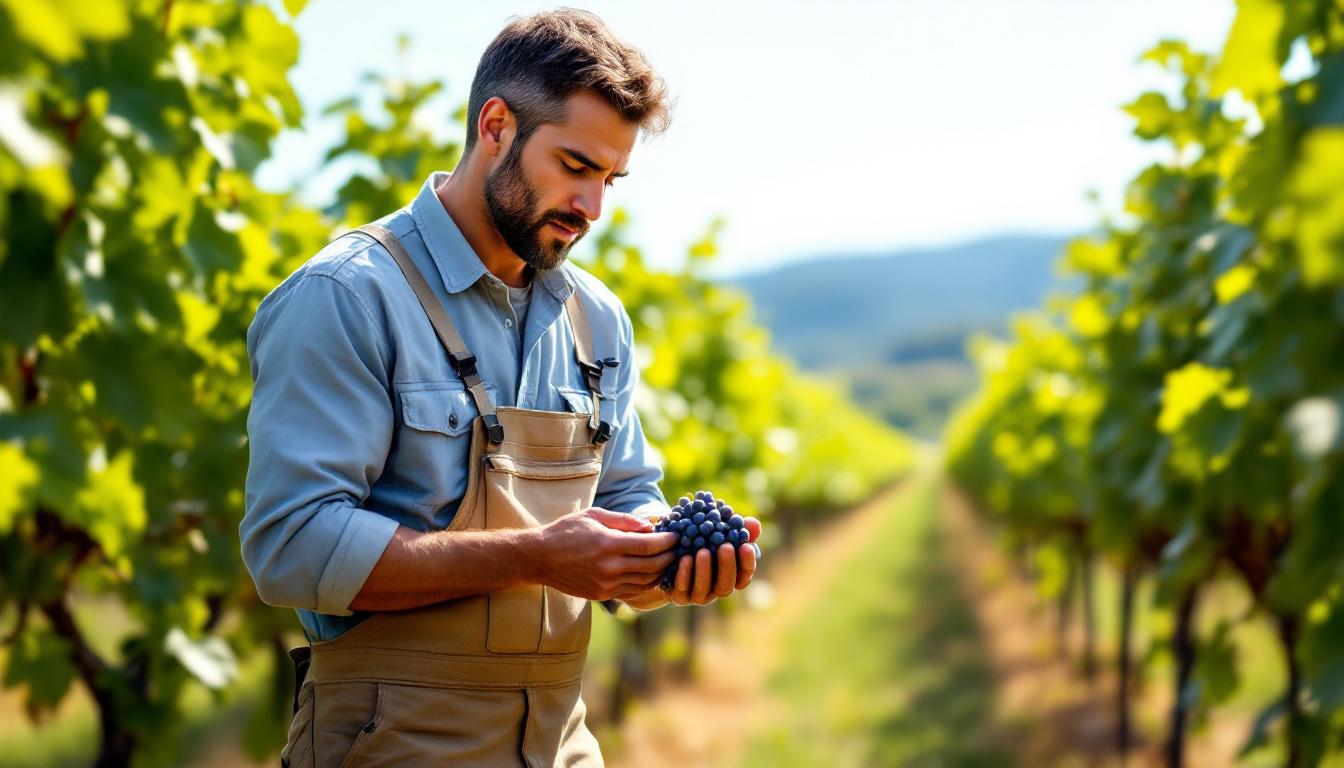
- Collaborate with viticulturists to synchronize on grape harvest timings, optimizing for flavor profile and yield.
- Create detailed reports on fermentation processes, leveraging analytical software to enhance production efficiency.
- Negotiate with suppliers to secure high-quality materials within budgetary constraints.
- Develop and implement training programs for staff on sensory evaluation techniques, in line with company targets.
- Monitor cellar conditions and adjust climate control systems to maintain optimal aging conditions.
- Work with the marketing team to provide technical insights for product labeling in compliance with regional regulations.
- Analyze production costs and variances to identify opportunities for cost reduction.
- Design and validate new blend recipes to expand the product line according to market demand.
- Ensure all production processes align with environmental sustainability goals.
Work environments
Work environments for professionals in this sector may vary:
Career paths
- Progress to Winery Manager to oversee all operations
- Advance to Quality Control Director for strategic oversight
- Become a Production Manager to lead production teams
- Elevate to Head Oenologist for innovation and leadership