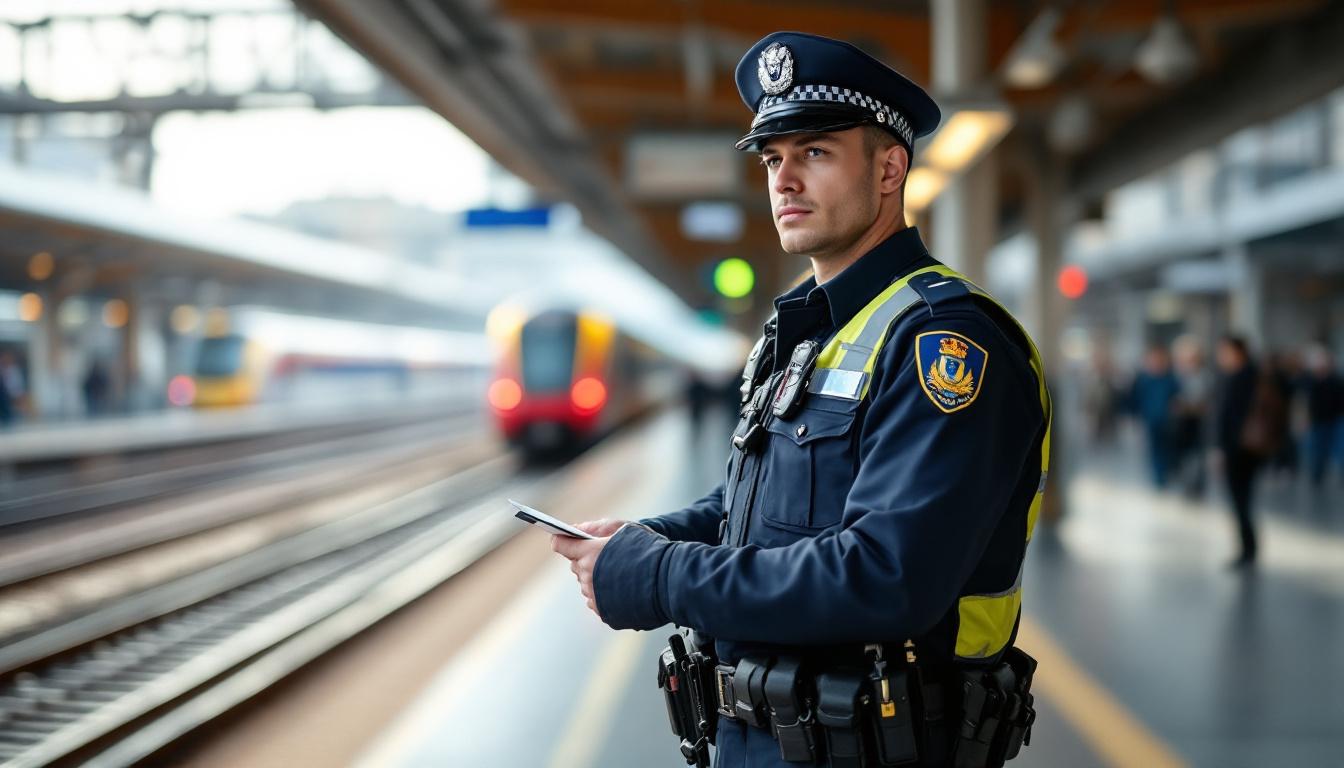
Military police officer
Manage incidents and investigate breaches to uphold order and discipline within military installations and operations.
About
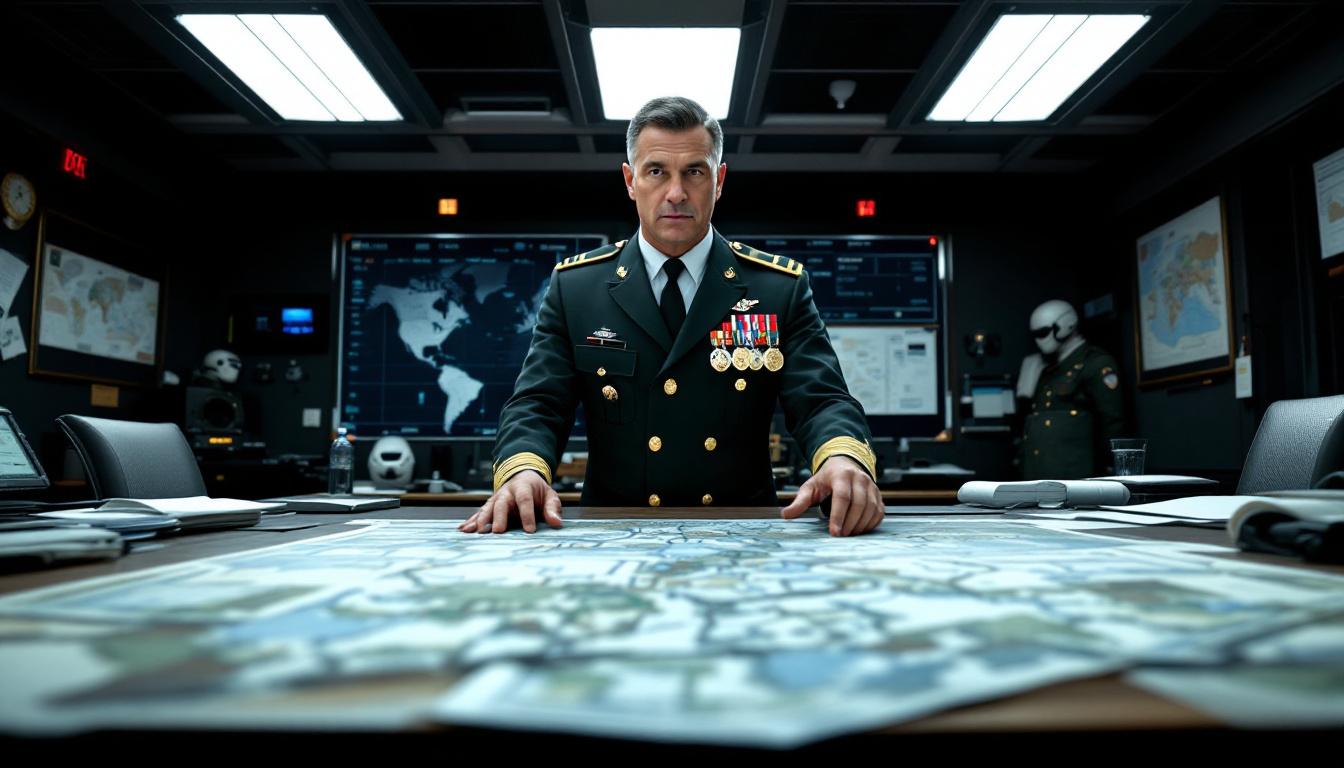
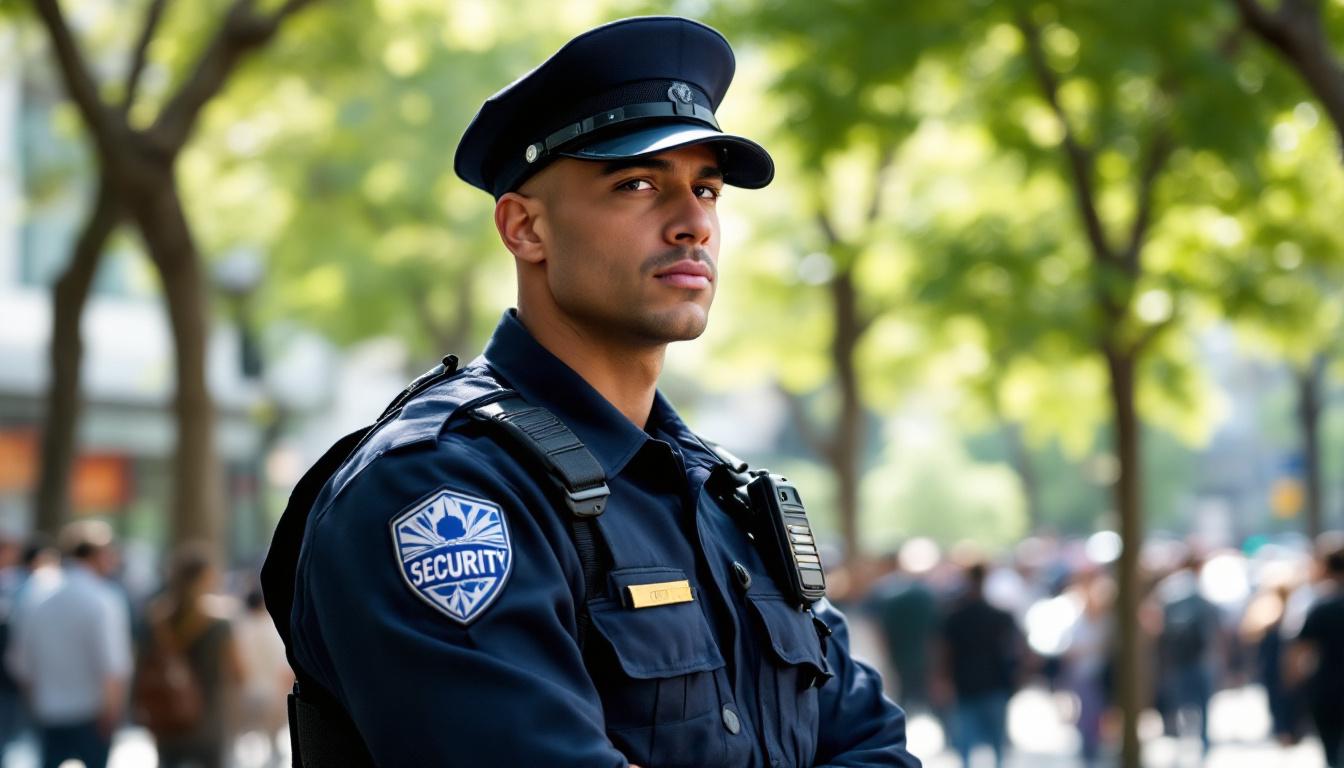
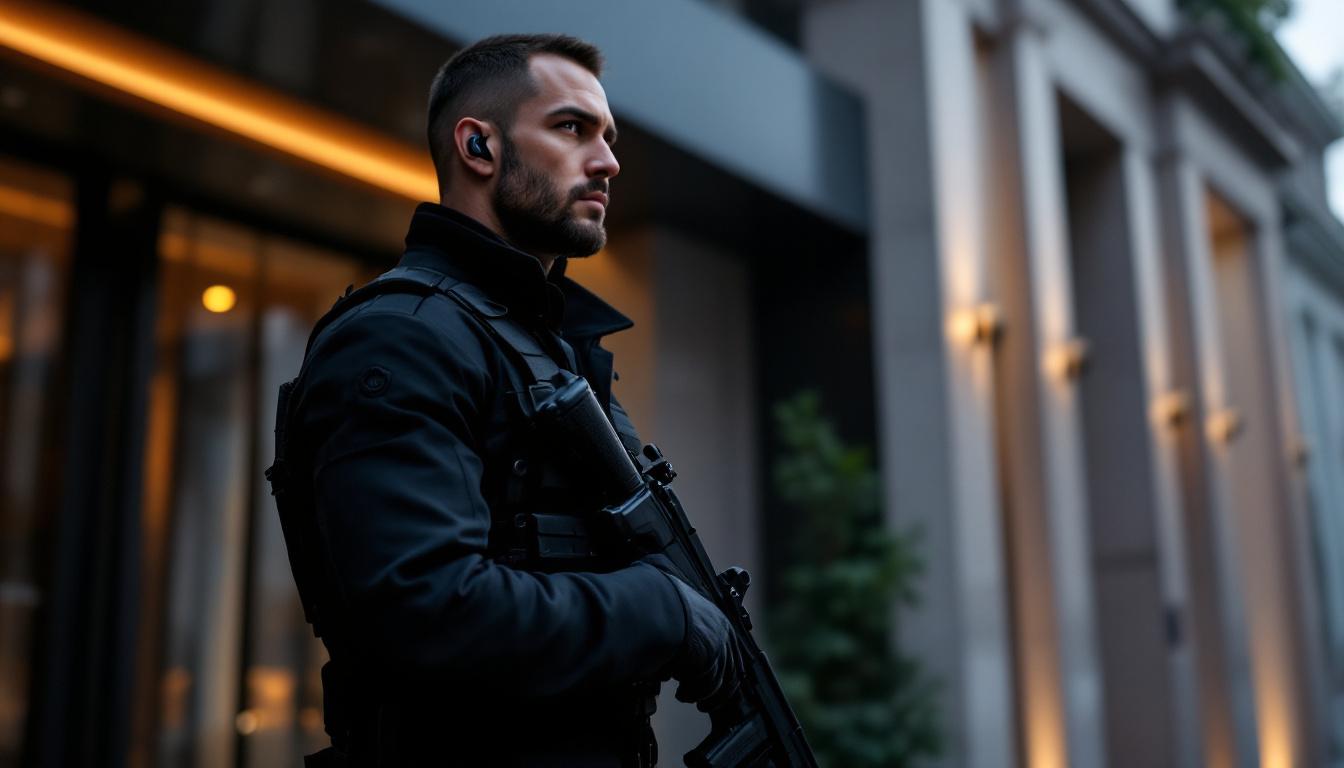
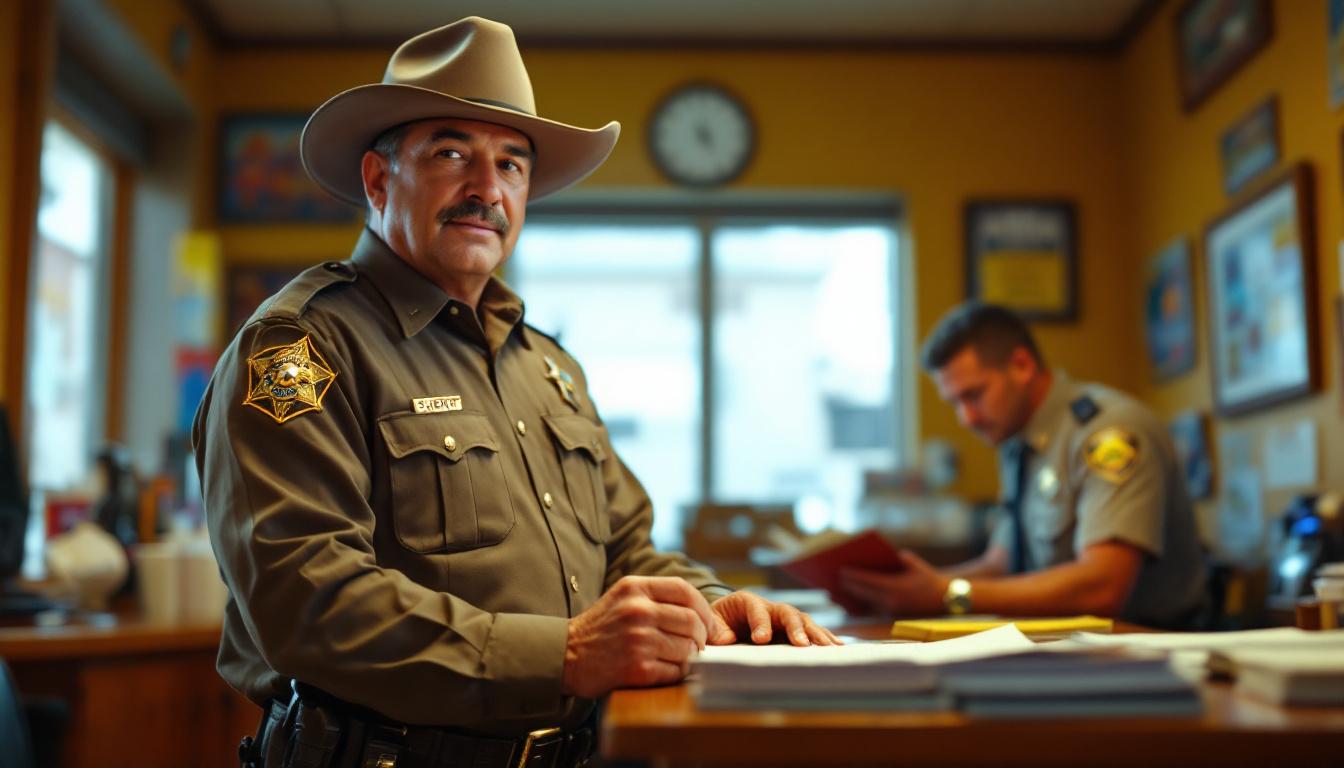
As a Military Police Officer, you play a critical role in ensuring the safety and enforcement of laws within military installations. Operate within a structured environment to manage incidents, investigate breaches, and maintain discipline among service members. Utilize advanced security systems and collaborate with military units and civilian authorities to execute mission-critical operations. Your contributions directly impact the security and order of military operations, requiring precision, adherence to protocols, and strategic coordination.
Entering the profession — Sweden
Entry is generally through military conscription or direct application to the armed forces, requiring physical and psychological assessments.
Training — Sweden
Military police officers typically complete upper secondary education followed by military basic training and specialized police training within the armed forces.
The job market — Sweden
Employment is mainly within the Swedish Armed Forces, focusing on law enforcement, security, and order maintenance in military contexts.
Skills
Technical skills
- Deep knowledge of military law and its applications
- Proficiency in surveillance systems for effective monitoring
- Expertise in emergency response protocols
- Skilled in incident reporting methods for clarity and accuracy
- Ability to conduct security data analysis for trend identification
- Experience with checkpoint operations to ensure security
Interpersonal skills
- Effective decision-making under pressure
- Adaptability to structured environments
- Demonstrates strong ethical judgment
- Collaborative teamwork with a focus on synergy
- Diligent attention to protocols and procedures
Tasks
- Conduct security patrols and monitor military premises using advanced surveillance tools.
- Investigate incidents of law violations and report findings to commanding officers.
- Enforce military regulations ensuring compliance through formal reprimands when necessary.
- Collaborate with military units and civilian law enforcement in joint operations.
- Coordinate checkpoint inspections and access control to maintain on-base security.
- Prepare detailed incident reports and present them to military management for further actions.
- Facilitate training sessions on military law and security protocols for new recruits.
- Analyze security data to identify trends and implement proactive security measures.
- Participate in emergency response drills to evaluate and improve readiness.
- Adhere to strict operational procedures while managing detention facilities.
Work environments
Work environments for professionals in this sector may vary:
Career paths
- Progress to a security specialist role with increased responsibilities
- Advance to an investigation officer to lead complex inquiries
- Develop into a military intelligence analyst for data-driven insights
- Transition to an operations coordinator to oversee strategic tasks
- Move into command positions within the military police for leadership roles