Micromechanic
Craft high-precision components using advanced micromechanical tools to meet strict industry performance and quality standards.
About
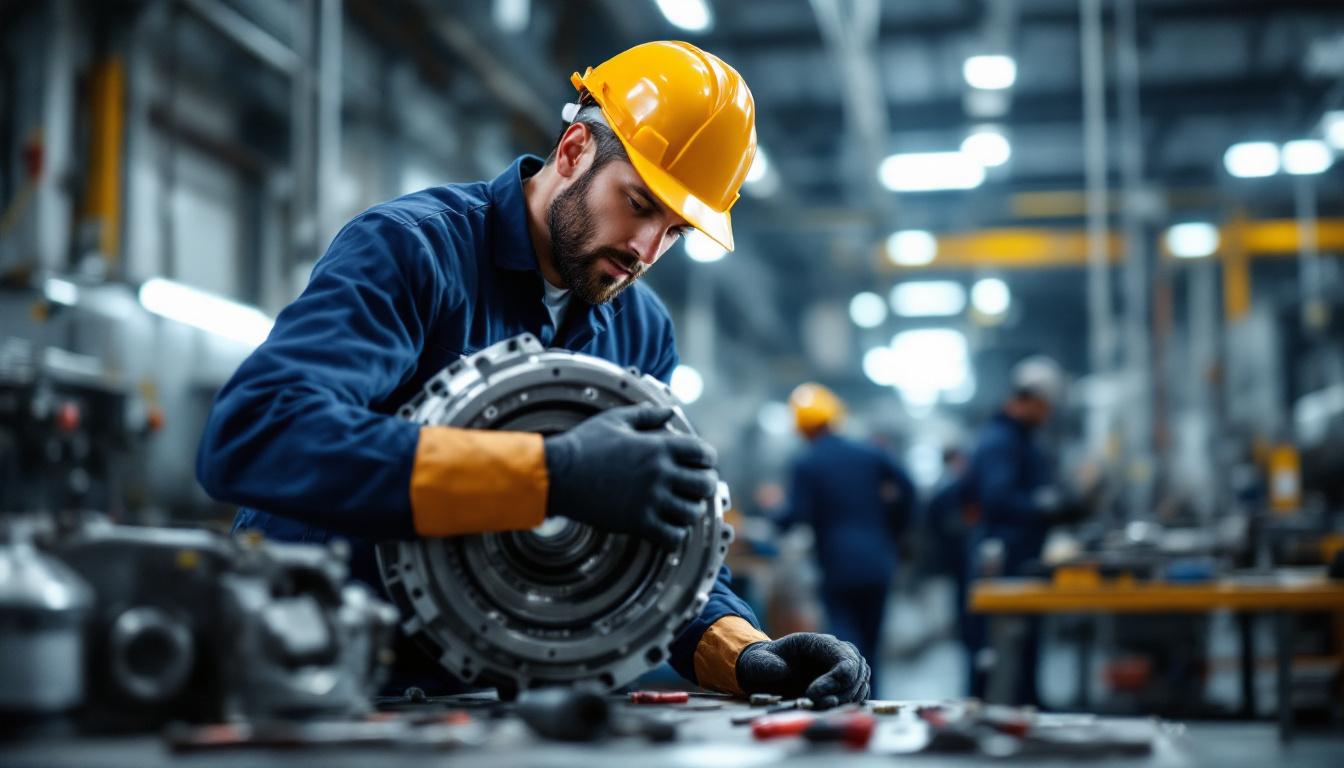
As a Micromechanic within a precision manufacturing environment, you play a vital role in crafting high-precision components essential for various industries such as aerospace and watchmaking. Your expertise in using micromechanical tools ensures that parts meet strict performance and quality standards. Collaborate with engineers to optimize designs and production processes, significantly impacting the efficiency and reliability of our products. Your role is crucial in maintaining the high-quality reputation of our manufacturing operations, requiring attention to detail and the ability to work within tight tolerances using specialized CAD software and precision instruments.
Entering the profession — Ghana
L'accès à la profession se fait principalement par la formation professionnelle technique, complétée par des stages ou apprentissages en milieu industriel. Une expérience préalable dans la mécanique générale ou l'électronique peut faciliter l'entrée dans le métier.
Training — Ghana
La formation repose sur un cursus professionnel orienté vers la micromécanique, incluant des compétences en assemblage précis, lecture de plans techniques et utilisation d'instruments de mesure de haute précision. Les formations techniques secondaires et les apprentissages en entreprise constituent la base de l'acquisition des savoir-faire.
The job market — Ghana
Le marché de l'emploi pour les micromécaniciens est modérément dynamique avec une demande stable dans les secteurs de la fabrication et de l'ingénierie de précision. La profession requiert une présence physique sur site, et le risque d'automatisation est moyen, lié à la complexité des tâches manuelles précises.
Skills
Technical skills
- Proficiency in CAD software like AutoCAD and SolidWorks
- Experience with micromechanical tools and techniques
- Knowledge of precision measurement instruments
- Understanding of blueprint reading and interpretation
- Familiarity with quality control standards
- Ability to operate CNC machines
Interpersonal skills
- Attention to detail in all tasks
- Problem-solving aptitude to overcome challenges
- Ability to work under pressure effectively
- Collaboration and teamwork in diverse settings
- Adaptability to changing technologies
Tasks
- Calibrate and adjust micromechanical tools to maintain precision standards.
- Produce high-precision components in compliance with design specifications and quality metrics.
- Analyze technical blueprints to determine the best production techniques using CAD software.
- Collaborate with engineering teams to refine prototype designs and enhance manufacturability.
- Conduct routine inspections to ensure components meet stringent quality controls and performance metrics.
- Optimize production workflows to minimize waste and adhere to environmental regulations.
- Coordinate with suppliers to ensure material quality aligns with project constraints.
- Maintain accurate records of manufacturing processes to facilitate audits and regulatory compliance.
- Contribute to process improvement initiatives to enhance production efficiency and cost-effectiveness.
- Monitor production targets to ensure alignment with company objectives and client demands.
Work environments
Work environments for professionals in this sector may vary:
Career paths
- Progress to Senior Micromechanic to lead complex projects
- Advance to Quality Assurance Specialist ensuring top standards
- Move up to Production Manager overseeing operations
- Transition to Engineering Technologist for advanced solutions