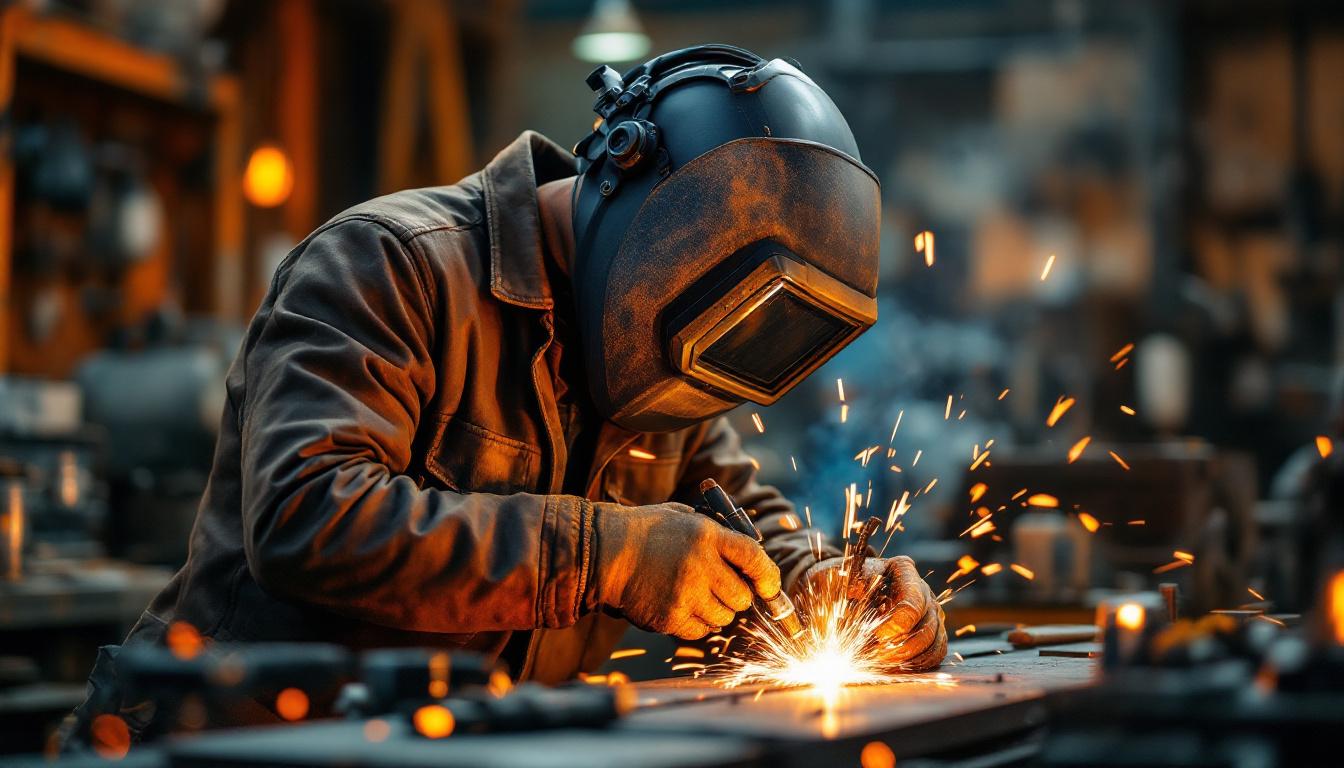
Micromechanic
Craft high-precision components using advanced micromechanical tools to meet strict industry performance and quality standards.
About
As a Micromechanic within a precision manufacturing environment, you play a vital role in crafting high-precision components essential for various industries such as aerospace and watchmaking. Your expertise in using micromechanical tools ensures that parts meet strict performance and quality standards. Collaborate with engineers to optimize designs and production processes, significantly impacting the efficiency and reliability of our products. Your role is crucial in maintaining the high-quality reputation of our manufacturing operations, requiring attention to detail and the ability to work within tight tolerances using specialized CAD software and precision instruments.
Entering the profession — United Arab Emirates
Access to the profession is usually through vocational diplomas or technical training in micromechanics, often complemented by apprenticeships or internships in specialized workshops. Candidates with mechanical or electronic technician backgrounds can also transition after targeted retraining.
Training — United Arab Emirates
The training relies on a professional curriculum focused on the mastery of micromechanical assembly, precision machining, and maintenance techniques. It combines theoretical knowledge with practical workshops to develop fine manual skills and technical understanding of microcomponents.
The job market — United Arab Emirates
The labor market for micromechanics specialists shows moderate demand, mainly driven by precision manufacturing, medical devices, aerospace, and R&D sectors. While automation is gradually impacting routine tasks, the need for skilled manual expertise and quality control maintains stable employment opportunities.
Skills
Technical skills
- Proficiency in CAD software like AutoCAD and SolidWorks
- Experience with micromechanical tools and techniques
- Knowledge of precision measurement instruments
- Understanding of blueprint reading and interpretation
- Familiarity with quality control standards
- Ability to operate CNC machines
Interpersonal skills
- Attention to detail in all tasks
- Problem-solving aptitude to overcome challenges
- Ability to work under pressure effectively
- Collaboration and teamwork in diverse settings
- Adaptability to changing technologies
Tasks
- Calibrate and adjust micromechanical tools to maintain precision standards.
- Produce high-precision components in compliance with design specifications and quality metrics.
- Analyze technical blueprints to determine the best production techniques using CAD software.
- Collaborate with engineering teams to refine prototype designs and enhance manufacturability.
- Conduct routine inspections to ensure components meet stringent quality controls and performance metrics.
- Optimize production workflows to minimize waste and adhere to environmental regulations.
- Coordinate with suppliers to ensure material quality aligns with project constraints.
- Maintain accurate records of manufacturing processes to facilitate audits and regulatory compliance.
- Contribute to process improvement initiatives to enhance production efficiency and cost-effectiveness.
- Monitor production targets to ensure alignment with company objectives and client demands.
Work environments
Work environments for professionals in this sector may vary:
Career paths
- Progress to Senior Micromechanic to lead complex projects
- Advance to Quality Assurance Specialist ensuring top standards
- Move up to Production Manager overseeing operations
- Transition to Engineering Technologist for advanced solutions