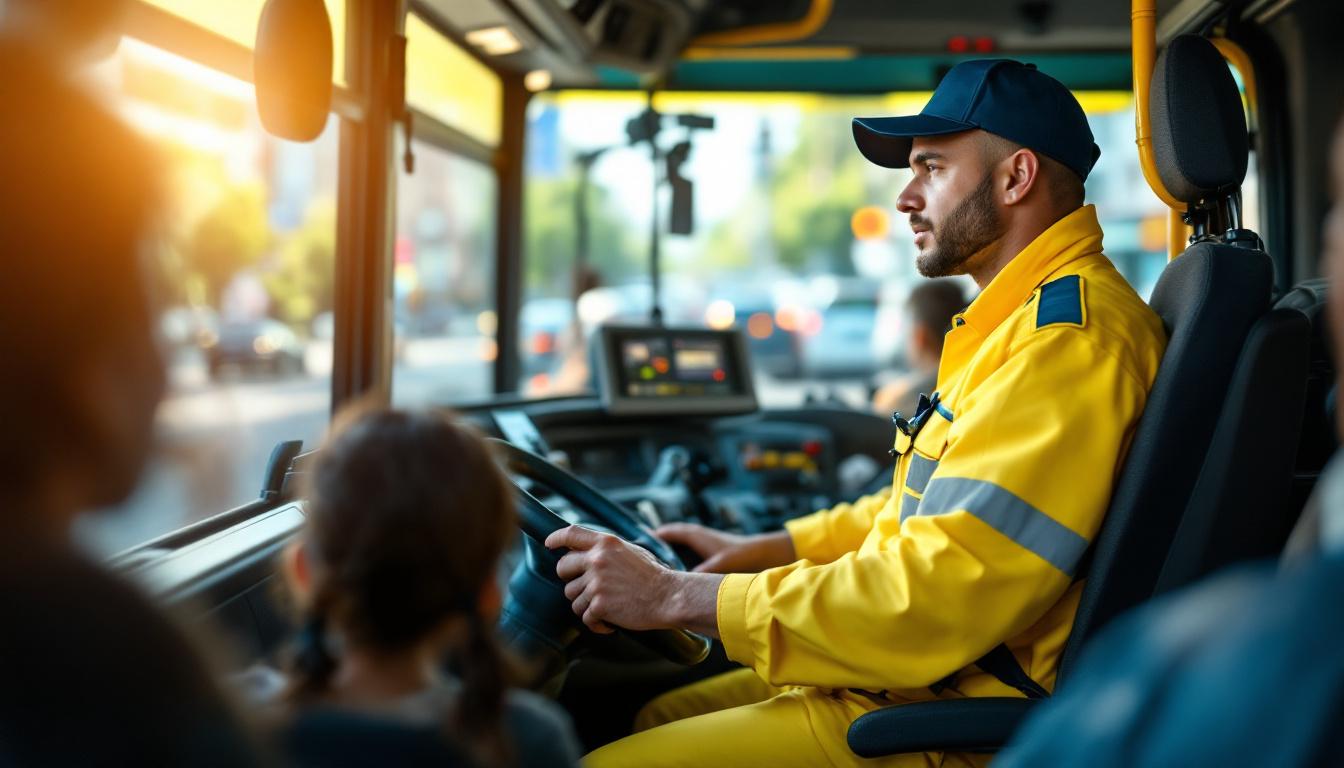
Metro or tram driver
Operate metro or tram vehicles safely while adhering to schedules and communicating with dispatch teams to ensure efficient public transport services.
About
As a Metro or Tram Driver, you will play a critical role in ensuring safe and timely public transportation in an urban environment. Working within a structured public sector organization, this position requires strict adherence to schedules and safety protocols to maintain service efficiency. You'll interact closely with conductors and dispatch teams, using control systems and communication tools to handle day-to-day operations. Your efforts directly impact commuter satisfaction and the seamless operation of transit services.
Entering the profession — Hong Kong
Entry usually requires secondary education and passing of physical and psychological assessments.
Training — Hong Kong
Training programs typically include theoretical and practical modules on vehicle operation, safety protocols, and emergency handling.
The job market — Hong Kong
Employment opportunities are mainly with public transport operators and urban transit authorities, with steady demand in metropolitan areas.
Skills
Technical skills
- Proficient in vehicle control systems for smooth operations.
- Knowledgeable about public transport regulations for compliance.
- Experienced in using diagnostic tools for vehicle assessments.
- Skilled in implementing emergency protocols effectively.
- Competent in route management to optimize travel efficiency.
- Adept with passenger communication systems for clear updates.
Interpersonal skills
- Strong situational awareness to anticipate challenges.
- Effective problem-solving skills for quick resolutions.
- Stress management techniques to maintain calm under pressure.
- Empathy towards passengers, ensuring a positive experience.
- Customer service excellence, focusing on passenger satisfaction.
- Time management skills to ensure punctual service.
Tasks
- Operate metro or tram vehicles ensuring adherence to schedules and safety protocols.
- Monitor vehicle performance using diagnostic tools to identify and troubleshoot issues.
- Coordinate with dispatch and control centers to manage service disruptions, ensuring minimal passenger impact.
- Maintain clear and professional communication with passengers regarding service updates.
- Conduct daily vehicle inspections to comply with company safety and maintenance standards.
- Implement emergency procedures and safety drills to ensure passenger and self-protection.
- Optimize route management by using traffic monitoring tools to avoid delays in urban environments.
- Report and document incidents or technical issues for future service improvements.
- Collaborate with maintenance teams to ensure timely repair schedules are adhered to.
- Achieve performance targets established by transit authorities for punctuality and customer satisfaction.
Work environments
Work environments for professionals in this sector may vary:
Career paths
- Advance to senior driver roles with increased responsibilities.
- Progress to route manager overseeing multiple lines.
- Take on training and mentoring positions for new drivers.
- Become an operational supervisor managing daily operations.