Medical Laboratory Technician
Specialist in conducting biological analyses on patient samples to support medical diagnoses.
About
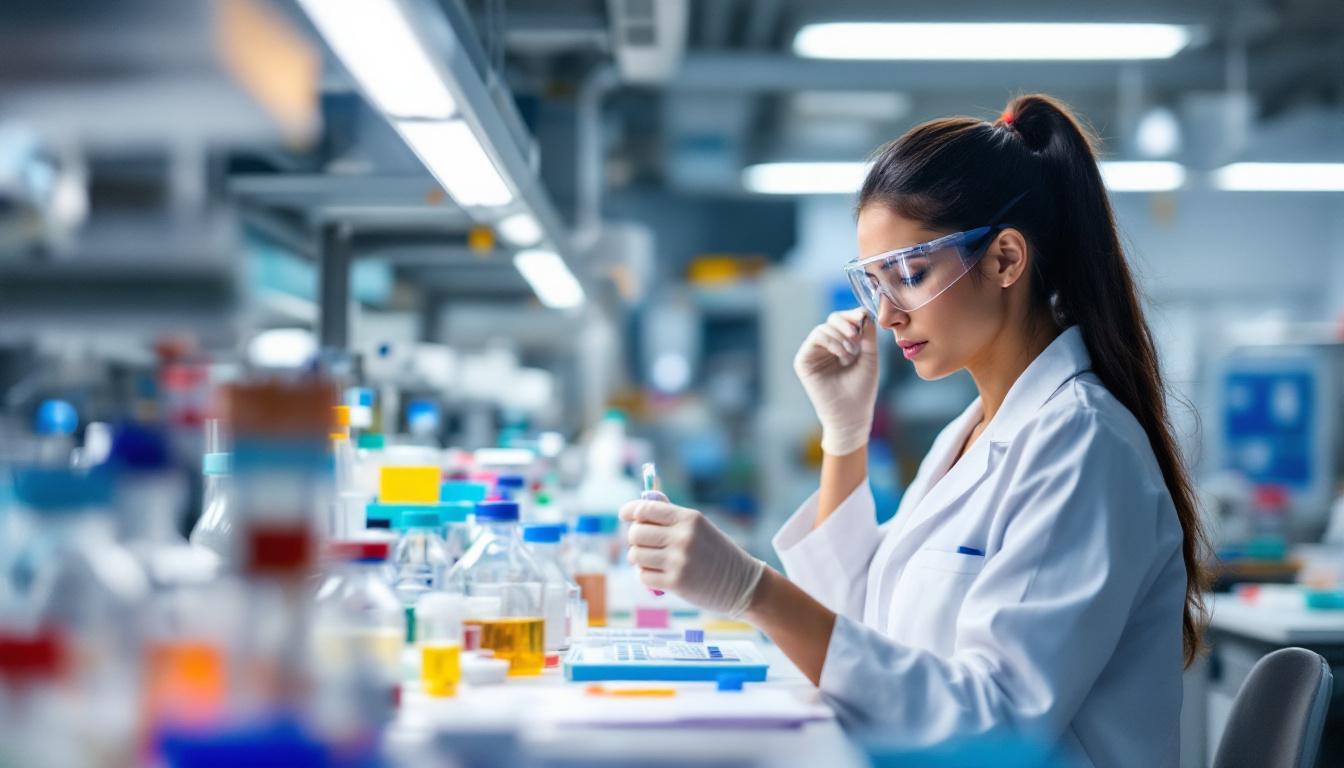
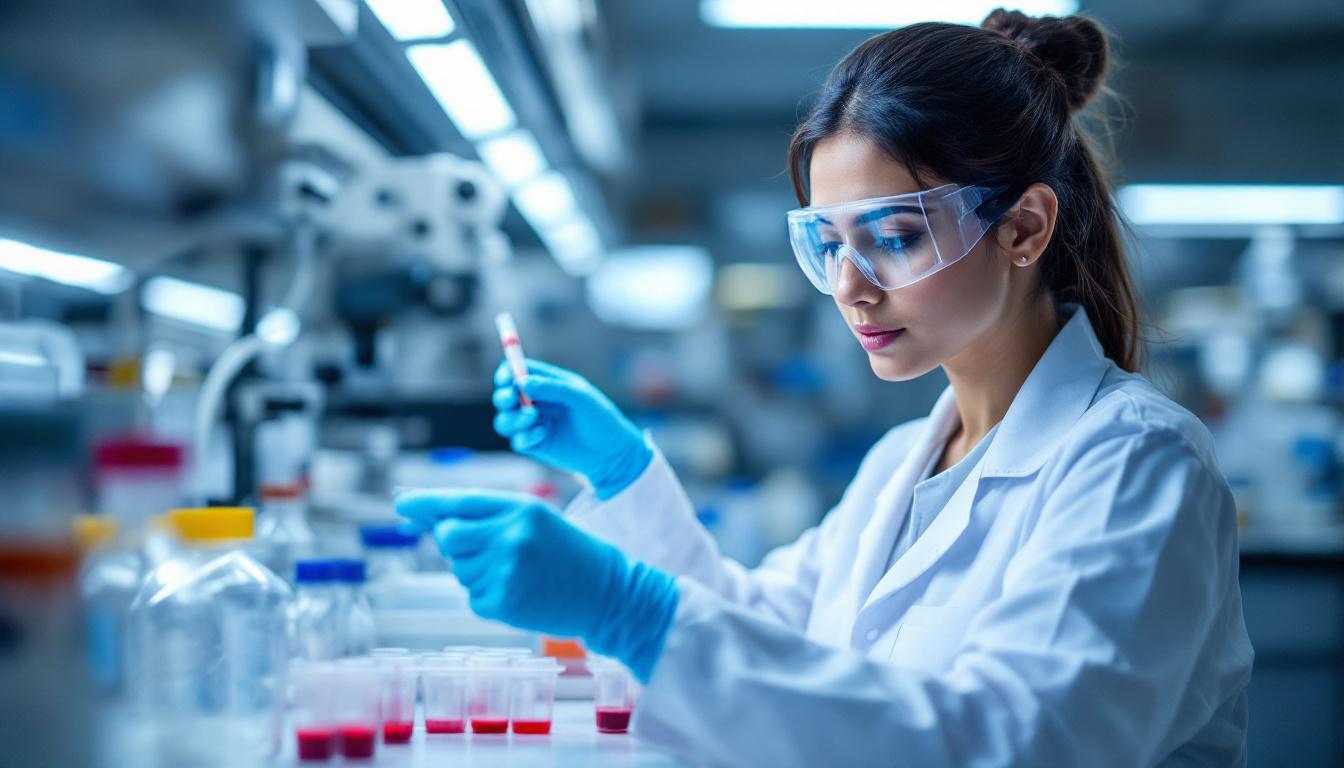
A Medical Laboratory Technician performs biological tests on samples such as blood, urine, and tissues. Working primarily in controlled laboratory environments, they utilize automated analyzers, microscopes, and specialized instruments to generate accurate data that assists healthcare professionals in diagnosing and monitoring diseases. Their role is critical in ensuring the reliability and precision of laboratory results.
Entering the profession — Netherlands
Access to the profession typically requires completion of secondary vocational education specialized in medical laboratory techniques or related fields. Apprenticeships and bridging courses are common for career changers.
Training — Netherlands
Training is based on a professional curriculum oriented towards medical laboratory techniques, including practical internships. It emphasizes biological, chemical, and technical knowledge adapted to clinical diagnostics.
The job market — Netherlands
The job market shows steady demand in healthcare and biomedical sectors, with moderate hiring activity. Automation impacts routine tasks but skilled technicians remain essential for complex analyses and quality control.
Skills
Technical skills
- Proficiency in operating laboratory analyzers and microscopes
- In-depth knowledge of biological testing procedures and protocols
- Ability to perform quality control and calibration effectively
- Familiarity with laboratory information management systems (LIMS)
- Understanding of biosafety and hygiene standards
- Competence in sample preparation and handling
Interpersonal skills
- Attention to detail and precision in tasks
- Strong analytical and problem-solving skills
- Ability to work methodically in a controlled environment
- Good communication skills for reporting results
- Teamwork and collaboration with healthcare professionals
- Reliability and responsibility in handling sensitive samples
Tasks
- Collect and prepare biological samples for analysis
- Operate and maintain laboratory instruments and automated analyzers
- Perform routine and specialized biological tests on blood, urine, and tissue samples
- Ensure quality control and accuracy of test results
- Record and report findings to medical staff
- Follow strict hygiene and safety protocols in the laboratory
- Calibrate and troubleshoot laboratory equipment
- Maintain laboratory documentation and inventory
- Participate in continuous training and updates on laboratory techniques
- Collaborate with healthcare professionals to support patient diagnosis
- Adhere to regulatory standards and laboratory guidelines
- Manage sample storage and disposal according to protocols
Work environments
Work environments for professionals in this sector may vary:
Career paths
- Advance to Senior Medical Laboratory Technician for greater responsibility
- Progress to Laboratory Supervisor to lead a team
- Become a Biomedical Scientist for research opportunities
- Specialize as a Quality Control Specialist to ensure accuracy
- Step up to Laboratory Manager to oversee operations
- Transition to Clinical Research Technician for innovative projects