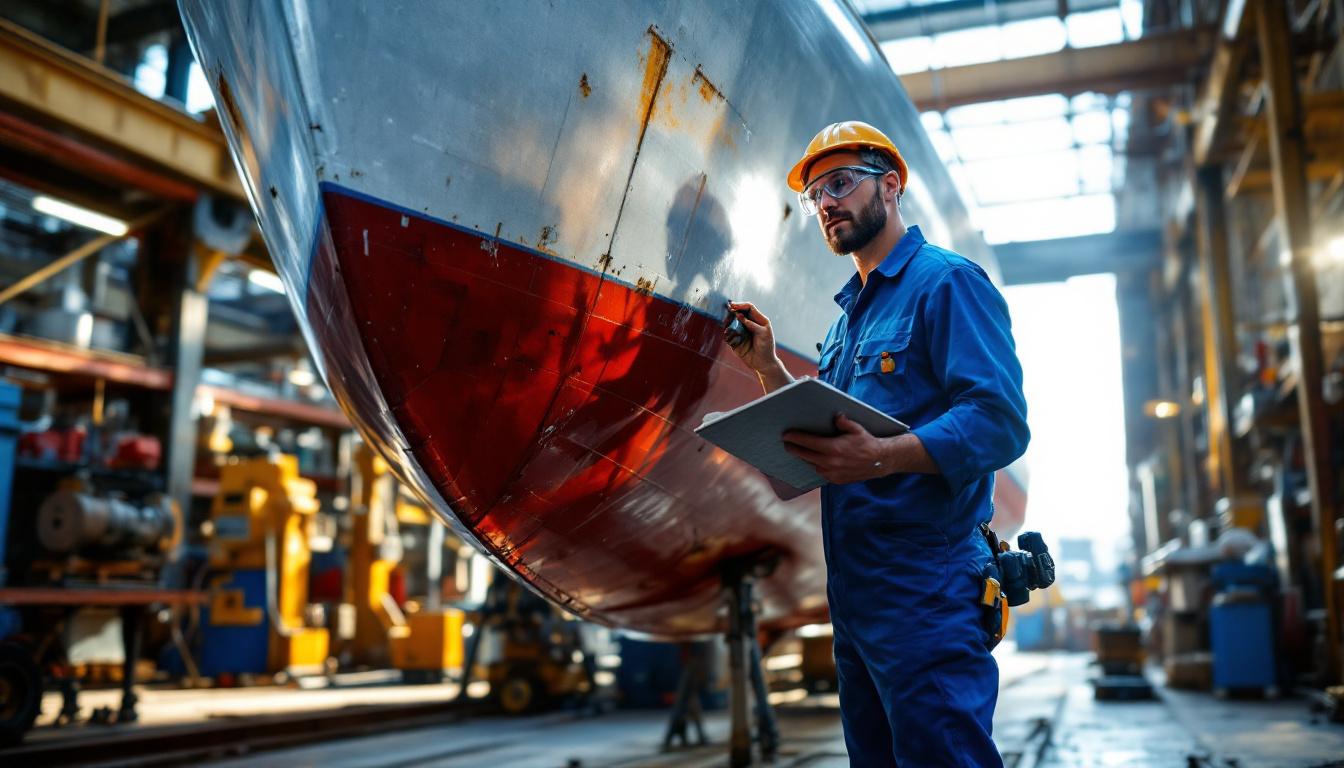
Marine Engineers and Naval Architects
Design the vessels that conquer the seas, ensuring safety and efficiency at every wave.
About
Marine Engineers and Naval Architects play a crucial role in the design, development, and evaluation of marine vessels and related machinery. Their expertise ensures that ships operate efficiently and safely, harnessing innovative technologies to improve propulsion systems and power supply. Their work is vital in the shipping industry, impacting global trade and transportation. These professionals often collaborate with multidisciplinary teams to create vessels that meet international standards and environmental regulations, contributing to the sustainable development of the maritime sector.
Entering the profession — Hong Kong
L'accès à cette profession se fait généralement par un diplôme d'ingénieur spécialisé ou un master en architecture navale. Les stages et apprentissages en entreprise sont essentiels pour acquérir une expérience pratique et faciliter l'insertion professionnelle.
Training — Hong Kong
La formation repose sur un cursus professionnel orienté vers l'ingénierie navale et la conception marine. Elle inclut des enseignements en mécanique des fluides, résistance des matériaux, et modélisation numérique. Des stages pratiques en chantiers navals ou bureaux d'études complètent la formation théorique.
The job market — Hong Kong
Le marché de l'emploi est modéré, avec une demande stable dans les secteurs du bâtiment naval, de l'offshore et des services maritimes. La concurrence est présente, mais les compétences spécialisées restent recherchées, notamment pour les projets complexes et innovants.
Skills
Technical skills
- Design propulsion systems for optimal efficiency
- Evaluate ship machinery for performance and reliability
- Conduct risk assessments for new marine designs
- Utilize CAD software for detailed ship blueprints
- Ensure compliance with international maritime standards
- Optimize power supply systems for energy efficiency
Interpersonal skills
- Exhibit strong communication to collaborate with interdisciplinary teams
- Demonstrate adaptability to embrace new technologies and methods
- Show leadership qualities for managing engineering projects
- Apply critical thinking to solve complex engineering problems
- Maintain attention to detail to uphold high safety standards
Tasks
- Design and develop advanced propulsion systems for marine vessels
- Evaluate the efficiency and safety of ship machinery
- Collaborate with teams on the integration of new technologies
- Ensure compliance with international marine safety standards
- Optimize power supply systems for energy efficiency
- Conduct risk assessments for ship designs
- Supervise the construction of ship components
- Innovate in the use of sustainable materials
Work environments
Work environments for professionals in this sector may vary:
Career paths
- Progress to Senior Marine Engineer to lead complex projects and teams
- Advance as a Naval Architect Manager to oversee architectural departments
- Become a Research and Development Director to innovate in maritime technologies
- Specialize as a Maritime Safety Consultant focusing on safety protocols
- Elevate to Port Authority Director to manage port operations and regulations