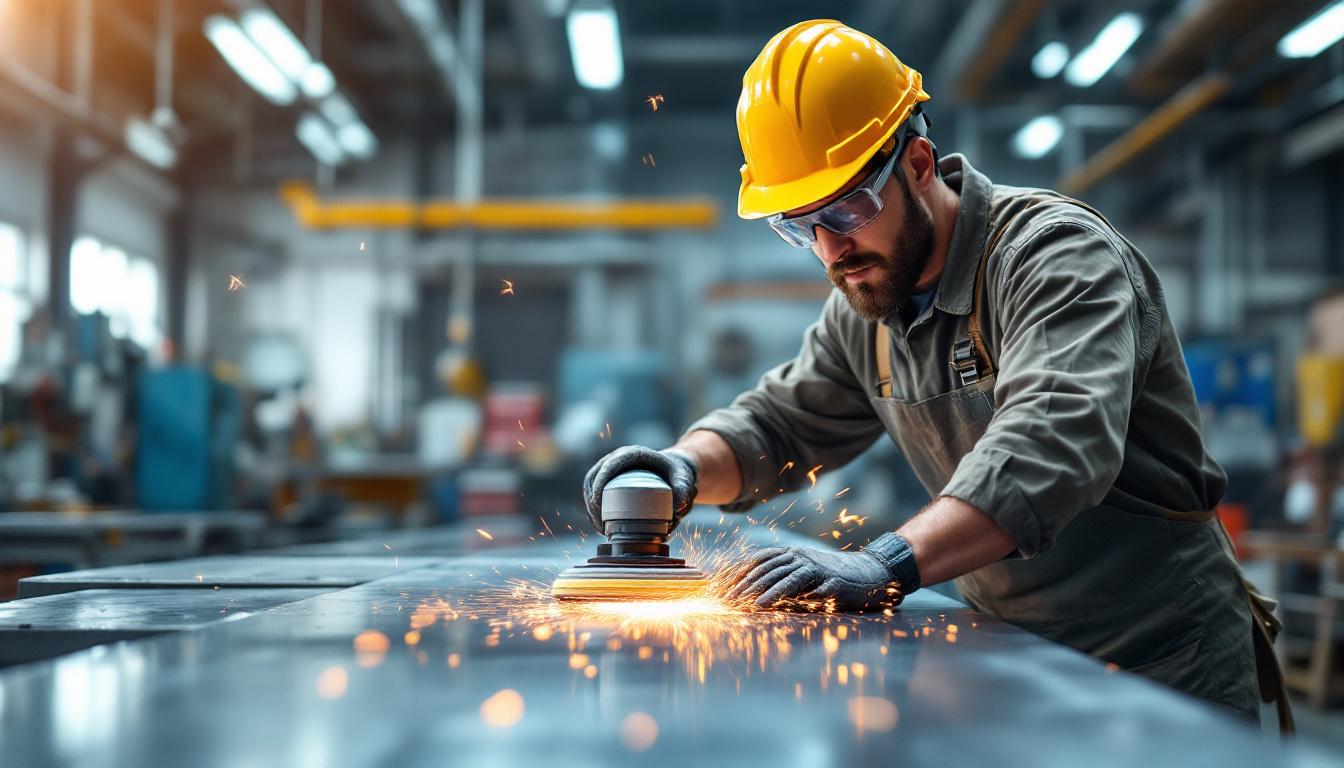
Manufacturing Technician
Operate advanced machinery and maintain quality standards to ensure efficient production processes in the manufacturing sector.
About
The role of a Manufacturing Technician is pivotal in ensuring the efficiency and quality of production processes within a dynamic corporate environment. By operating state-of-the-art machinery and adhering to strict quality standards, this role supports the overall manufacturing output and contributes to meeting production targets. Collaborating with team leaders and quality control departments, the technician ensures machinery operates efficiently, minimizes downtime, and maintains the integrity of products. Proficiency in using ERP systems for maintenance scheduling and performance tracking is essential, as well as the ability to work within budgetary and deadline constraints.
Entering the profession — United Kingdom
Access to this profession is generally through apprenticeship programs, technical diplomas, or direct entry with relevant industrial experience. On-the-job training complements formal education to develop necessary skills.
Training — United Kingdom
The formation relies on a professional curriculum oriented towards industrial manufacturing techniques, combining theoretical knowledge with practical training in workshops and production environments. Vocational diplomas and certifications are common prerequisites.
The job market — United Kingdom
The labour market for manufacturing technicians is stable with moderate demand across various industrial sectors. While some routine tasks face automation risks, skilled technicians remain essential for quality control and complex assembly processes. Employment is predominantly on-site with no remote work possibilities.
Skills
Technical skills
- Proficient in using ERP systems for operational management.
- Skilled with quality control tools for ensuring product standards.
- Experienced in production machinery maintenance and repair.
- Capable of conducting data analysis to guide decision-making.
- Knowledgeable in inventory management for efficient stock control.
- Adheres to safety protocols to ensure a secure work environment.
Interpersonal skills
- Detail-oriented with a focus on accuracy in tasks.
- Strong problem-solving abilities to overcome challenges.
- Effective team collaboration to achieve common goals.
- Excellent time management for meeting deadlines.
- Clear and effective communication in a team setting.
Tasks
- Operate and maintain production machinery while adhering to safety protocols.
- Monitor product quality to ensure it meets specifications using quality control tools.
- Collaborate with the production team to achieve daily output targets.
- Utilize ERP systems for tracking maintenance schedules and inventory usage.
- Report equipment malfunctions promptly to the maintenance department to minimize downtime.
- Implement process improvements to enhance product quality and reduce waste.
- Coordinate with the quality assurance team to address compliance issues.
- Analyze production data to identify trends and inform decision-making.
- Collaborate with suppliers and vendors for timely delivery of materials.
- Document production activities and maintain accurate records for audits.
Work environments
Work environments for professionals in this sector may vary:
Career paths
- Advance to a Production Supervisor role overseeing production teams.
- Become a Quality Assurance Specialist ensuring compliance with standards.
- Progress to a Maintenance Manager position leading equipment care.
- Move into an Operations Coordinator role managing workflow efficiency.