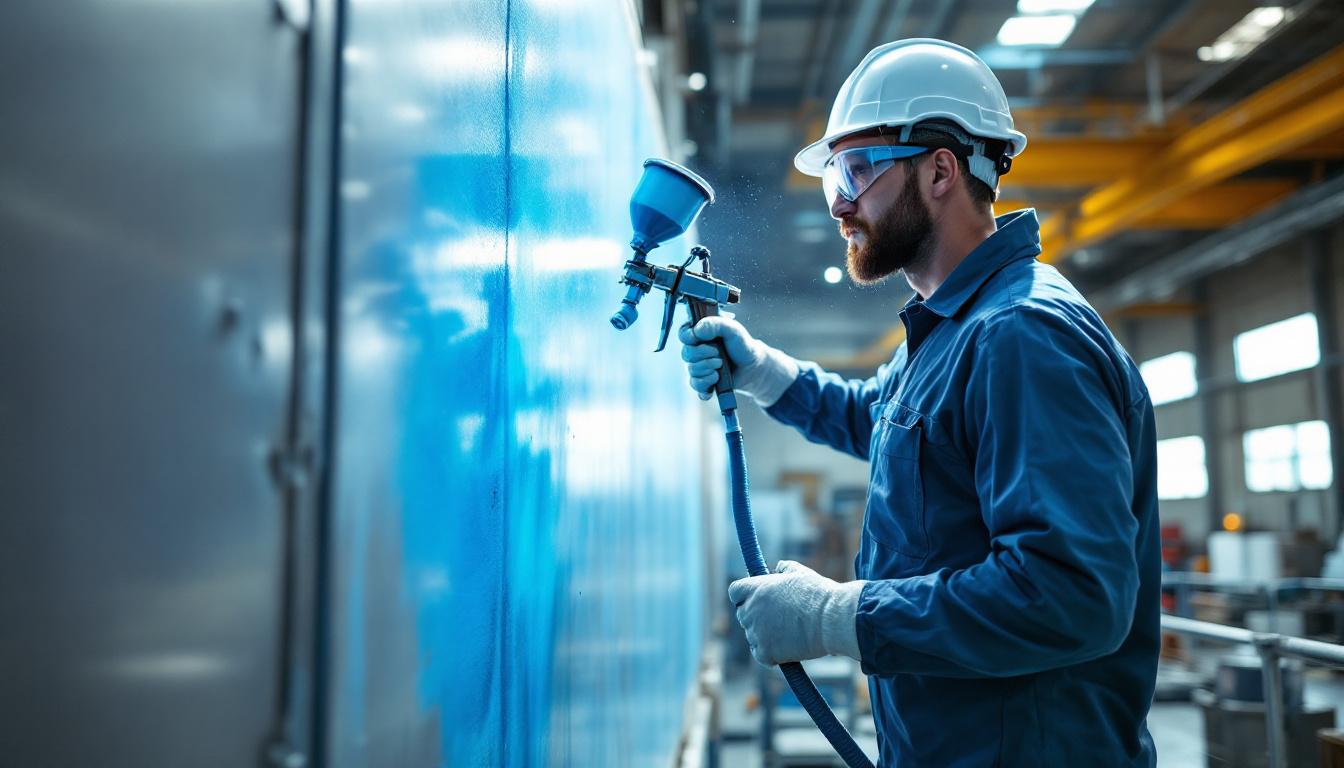
Maintenance Workers, Machinery
Ensure the seamless operation of machinery through regular maintenance and part replacement.
About
In the heart of industrial and manufacturing settings, Maintenance Workers play a pivotal role in ensuring the optimal performance of machinery. This profession involves regular lubrication of machines, changing parts, and performing routine maintenance to prevent unexpected breakdowns. Operating at the intersection of mechanical expertise and problem-solving, these professionals are crucial in minimizing downtime and maintaining production efficiency. As industries increasingly rely on automated systems, the demand for skilled maintenance workers continues to grow, offering stable career opportunities across Europe.
Entering the profession — South Africa
Access to the profession typically requires completion of a relevant technical diploma or trade test, supplemented by apprenticeships or on-the-job training. Prior experience in related mechanical or electrical fields can facilitate entry.
Training — South Africa
Training is based on a vocational curriculum focused on mechanical and electrical maintenance principles, combined with hands-on practice in industrial environments. Technical colleges and apprenticeship programs provide foundational knowledge and skills essential for this role.
The job market — South Africa
The labor market for machinery maintenance technicians remains steady, driven by ongoing industrial activity in manufacturing, mining, and agriculture. While some routine tasks face automation, skilled maintenance workers remain essential for complex troubleshooting and repairs.
Skills
Technical skills
- Maintain machinery using appropriate tools and techniques
- Diagnose mechanical faults using diagnostic equipment
- Apply lubrication techniques to ensure smooth machine operation
- Conduct part replacement to maintain equipment functionality
- Perform inspection procedures to ensure compliance with safety standards
- Utilize CMMS software for maintenance record-keeping
Interpersonal skills
- Exhibit strong communication skills to effectively collaborate with team members
- Demonstrate effective time management to prioritize maintenance tasks efficiently
- Maintain attention to detail to ensure accurate and thorough inspections
- Employ problem-solving to address and resolve mechanical issues quickly
- Show adaptability to adjust to new technologies and procedures
Tasks
- Lubricate machinery using the appropriate oils and greases
- Inspect and replace worn or damaged machine parts
- Perform routine checks using diagnostic tools to ensure machinery efficiency
- Collaborate with engineers to implement improvements and upgrades
- Maintain detailed records of maintenance activities using CMMS software
- Ensure compliance with safety standards and regulatory requirements
- Assist in the installation and setup of new machines and equipment
- Troubleshoot mechanical issues and recommend preventive measures
- Operate hydraulic and pneumatic systems for maintenance tasks
- Train junior staff in proper maintenance techniques and safety protocols
Work environments
Work environments for professionals in this sector may vary:
Career paths
- Progress to Maintenance Supervisor to oversee maintenance team and operations
- Advance as an Industrial Engineer to improve processes and machinery efficiency
- Become a Facility Manager to manage overall facility maintenance and operations
- Move into a role as a Technical Trainer to educate staff on machinery maintenance and safety
- Ascend to Operations Manager to manage daily operations and staff in a facility