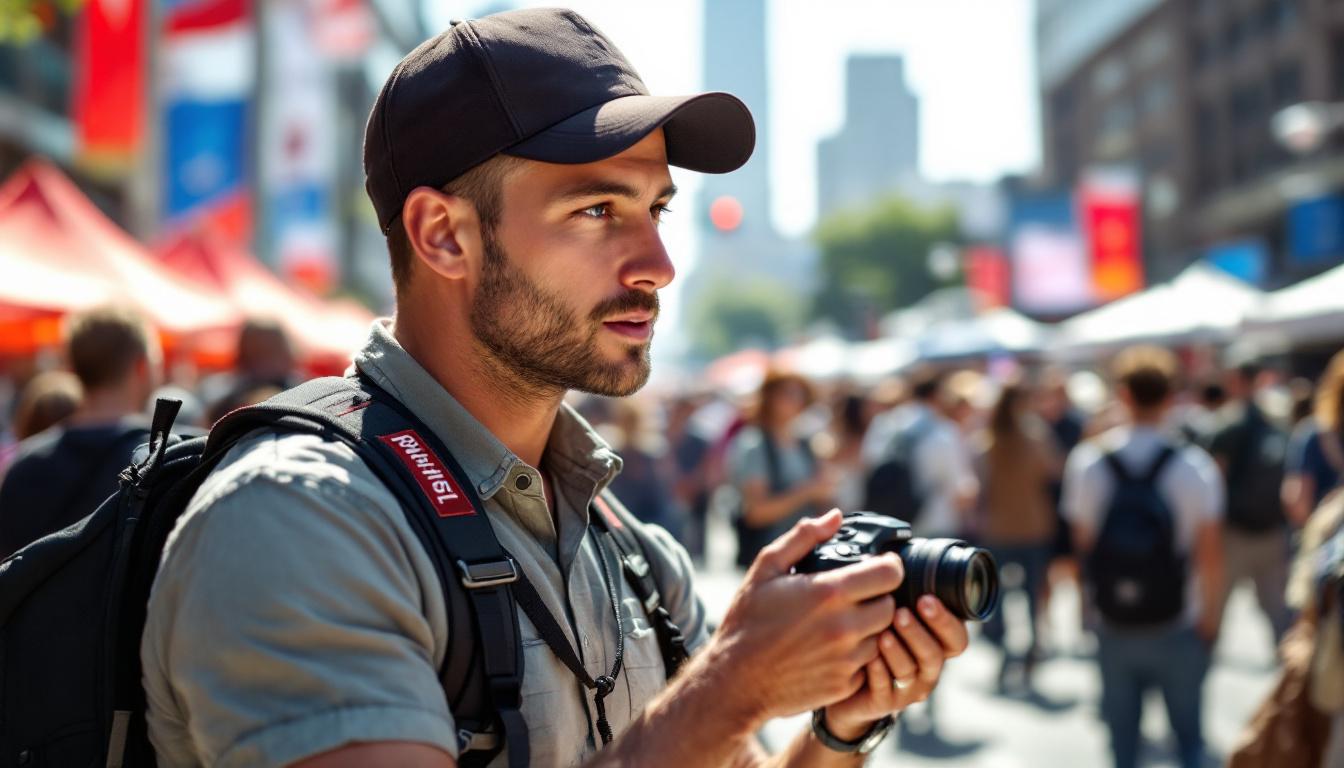
Local correspondent
Gather and report local news while collaborating with editors to deliver timely and relevant stories for your community.
About
As a Local Correspondent, you will play a critical role in gathering, analyzing, and reporting local news that impacts your community. Working within a media-focused environment, you'll collaborate closely with editors and other journalists to ensure timely dissemination of relevant news stories. Your role not only involves reporting but also engaging with community stakeholders to provide insightful and context-rich stories. You'll use journalistic tools and adhere to strict deadlines and ethical standards to meet editorial objectives.
Entering the profession — United States
Entry is often through internships or junior reporting roles at local media outlets. Networking and a strong portfolio are important.
Training — United States
Becoming a local correspondent generally requires a bachelor's degree in journalism or communications, complemented by internships or freelance experience to build practical skills.
The job market — United States
The job market is stable with moderate demand in local broadcast and print media. Competition can be strong in larger markets.
Skills
Technical skills
- Proficient with digital journalism tools for effective reporting.
- Experienced in using content management systems for updates.
- Skilled in data analytics to interpret regional trends.
- Adept at social media monitoring for real-time news.
- Mastery of interview techniques for insightful conversations.
- Ensures adherence to editorial guidelines in all publications.
Interpersonal skills
- Excel in community engagement to build strong networks.
- Effective deadline management to meet tight schedules.
- Exhibit ethical judgement in all reporting activities.
- Demonstrate adaptability in dynamic environments.
- Strong communication skills to convey complex stories.
- Meticulous attention to detail in every aspect of reporting.
Tasks
- Investigate local events and report accurately using digital tools.
- Collaborate with editors to develop and refine story angles.
- Conduct interviews with community stakeholders for in-depth insights.
- Analyze regional trends using data analytics tools to inform reporting.
- Review social media channels for breaking news and community pulse.
- Ensure all content complies with editorial guidelines and legal requirements.
- Submit articles by strict deadlines to meet publication schedules.
- Utilize content management systems to update online news platforms.
- Engage audiences by creating interactive or multimedia content.
- Monitor competitor publications for additional insights and context.
Work environments
Work environments for professionals in this sector may vary:
Career paths
- Progress to a Senior Correspondent role with greater responsibilities.
- Advance to an Editorial Manager position, leading teams.
- Become an Investigative Reporter focusing on deep-dive stories.
- Move into a News Editor role, shaping content direction.
- Transition to a Multimedia Journalist, blending formats.