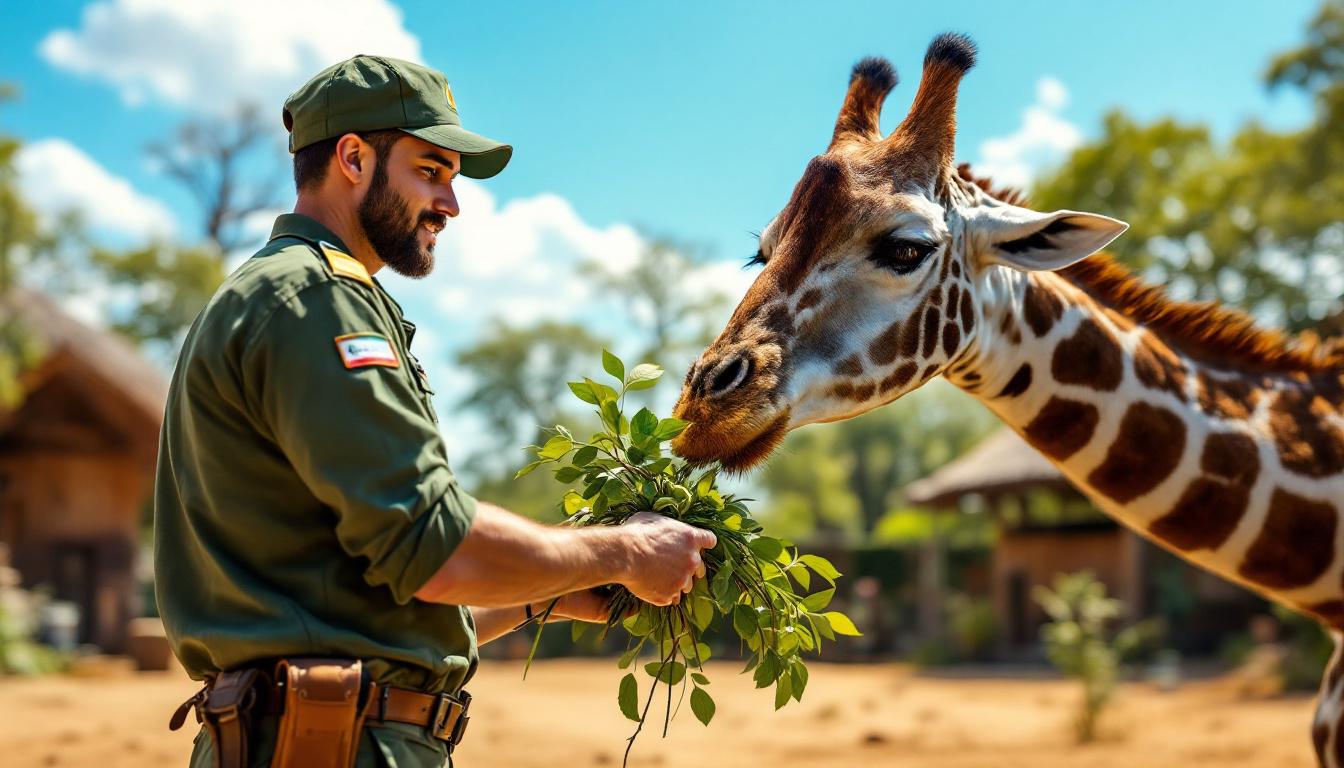
Laboratory Animal Technician
Monitor animal health and welfare while managing care operations in a research setting to support scientific discoveries.
About
As a Laboratory Animal Technician, you will play a critical role in the research environment, ensuring the health and welfare of laboratory animals while contributing to valuable scientific discoveries. You will manage animal care operations, monitor animal health using specialized software, and maintain compliance with regulatory standards. Your work supports groundbreaking research, requiring interaction with scientists and veterinarians to optimize laboratory practices.
Entering the profession — Singapore
Entry is generally through relevant diplomas or on-the-job training, with certifications enhancing employability.
Training — Singapore
Education typically involves a diploma or bachelor's degree in biomedical or animal sciences, with practical training in animal care and laboratory procedures.
The job market — Singapore
Employment opportunities are mainly in research institutes and pharmaceutical companies focusing on biomedical research and animal testing.
Skills
Technical skills
- Proficient in using animal welfare software for monitoring
- Skilled in data management tools for record-keeping
- Understanding of veterinary protocols for treatment
- Expertise in regulatory compliance and standards
- Knowledge of animal care procedures for optimal health
- Experience in inventory management for supply control
- Familiarity with health monitoring systems for animals
- Adherence to laboratory safety regulations for secure environments
Interpersonal skills
- Attention to detail ensures accuracy in all tasks
- Strong regulatory awareness to maintain standards
- Collaboration with multidisciplinary teams for effective outcomes
- Effective communication with research staff to facilitate projects
- Problem-solving under constraints to achieve innovative solutions
- Empathy and care for animals to ensure their well-being
Tasks
- Monitor animal health conditions daily using specialized software and veterinary input.
- Implement standard operating procedures for animal care, ensuring compliance with regulatory standards.
- Coordinate with research scientists to design habitat environments that meet experimental requirements.
- Manage inventory of supplies critical to animal care without exceeding budget parameters.
- Maintain detailed records of animal health and treatments utilizing data management systems.
- Prepare reports on animal welfare metrics and provide them to research supervisors.
- Collaborate with veterinarians to optimize treatment protocols and enhance animal recovery rates.
- Assess and improve housing conditions based on performance metrics and feedback from research staff.
- Conduct routine audits of laboratory facilities to ensure compliance with health and safety regulations.
- Train junior technicians in the use of laboratory tools and protocols in alignment with regulatory compliance.
Work environments
Work environments for professionals in this sector may vary:
Career paths
- Progress to Senior Animal Technician to take on more responsibilities
- Advance to Lab Manager overseeing all laboratory operations
- Become a Research Coordinator to lead scientific projects
- Transition to a Veterinary Assistant role supporting clinical care