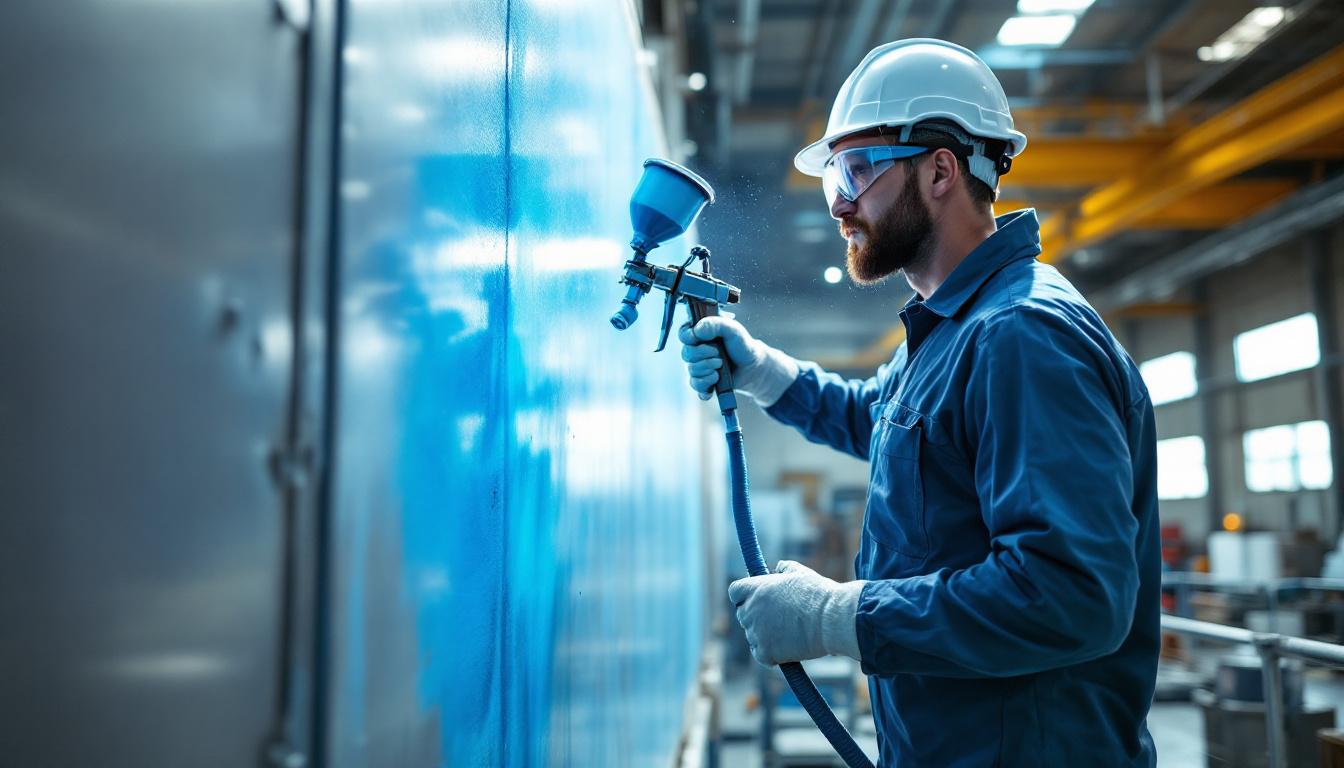
Instrumentation Engineer
Specialist in designing, installing, and maintaining automated measurement and control systems for industrial environments.
About
An Instrumentation Engineer is responsible for the design, installation, and maintenance of automated systems that measure and control physical parameters such as temperature, pressure, and flow within industrial settings. This role involves working with sensors, programmable logic controllers (PLCs), and specialized software to ensure accurate monitoring and control of processes in factories, laboratories, or industrial sites. The engineer collaborates with multidisciplinary teams to optimize system performance and ensure compliance with safety and quality standards.
Entering the profession — Canada
Access to the profession typically involves completing a recognized engineering program with specialization in instrumentation or automation, combined with internships or co-op experiences in relevant industries. Professional certification and licensing can enhance employability.
Training — Canada
Training is based on a professional curriculum oriented towards engineering sciences, focusing on control systems, instrumentation technologies, and automation. It usually requires a bachelor's degree in engineering with courses in electronics, process control, and instrumentation.
The job market — Canada
The market demand for instrumentation engineers remains steady, driven by ongoing industrial automation needs across multiple sectors including manufacturing, energy, and resource extraction. Remote work opportunities are limited due to the hands-on nature of the role. The risk of automation replacing this role is low due to the specialized technical skills required.
Skills
Technical skills
- Deep knowledge of sensors and transducers
- Proficiency in PLC programming and automation software
- Understanding of control systems and instrumentation principles
- Ability to calibrate and maintain measurement devices
- Familiarity with industrial communication protocols
- Experience with data acquisition and monitoring tools
- Competence in troubleshooting and fault diagnosis
- Knowledge of safety regulations and quality standards
Interpersonal skills
- Analytical thinking and problem-solving abilities
- Attention to detail in all tasks
- Effective communication and teamwork
- Adaptability to evolving technologies
- Organizational skills and time management
- Proactive approach to maintenance and improvements
- Ability to work under pressure in industrial environments
Tasks
- Design and develop automated measurement and control systems
- Install and configure sensors and instrumentation devices
- Program and maintain PLCs and control software
- Calibrate instruments to ensure accurate data collection
- Monitor system performance and troubleshoot issues
- Collaborate with production and maintenance teams
- Ensure compliance with safety and industry standards
- Document system specifications and maintenance procedures
- Participate in testing and validation of instrumentation systems
- Provide technical support and training to operators
- Implement upgrades and improvements to instrumentation setups
- Conduct regular inspections and preventive maintenance
Work environments
Work environments for professionals in this sector may vary:
Career paths
- Progress to Senior Instrumentation Engineer to lead projects
- Become an Automation Engineer specializing in control systems
- Advance to Project Manager in Industrial Automation
- Move into a role as Maintenance Manager overseeing teams
- Transition to a Technical Consultant in Instrumentation
- Shift to a position as Quality Control Engineer for precision