Industrial Methods Technician
Specialist in industrial design and process optimization, ensuring efficient manufacturing and preventive maintenance.
About
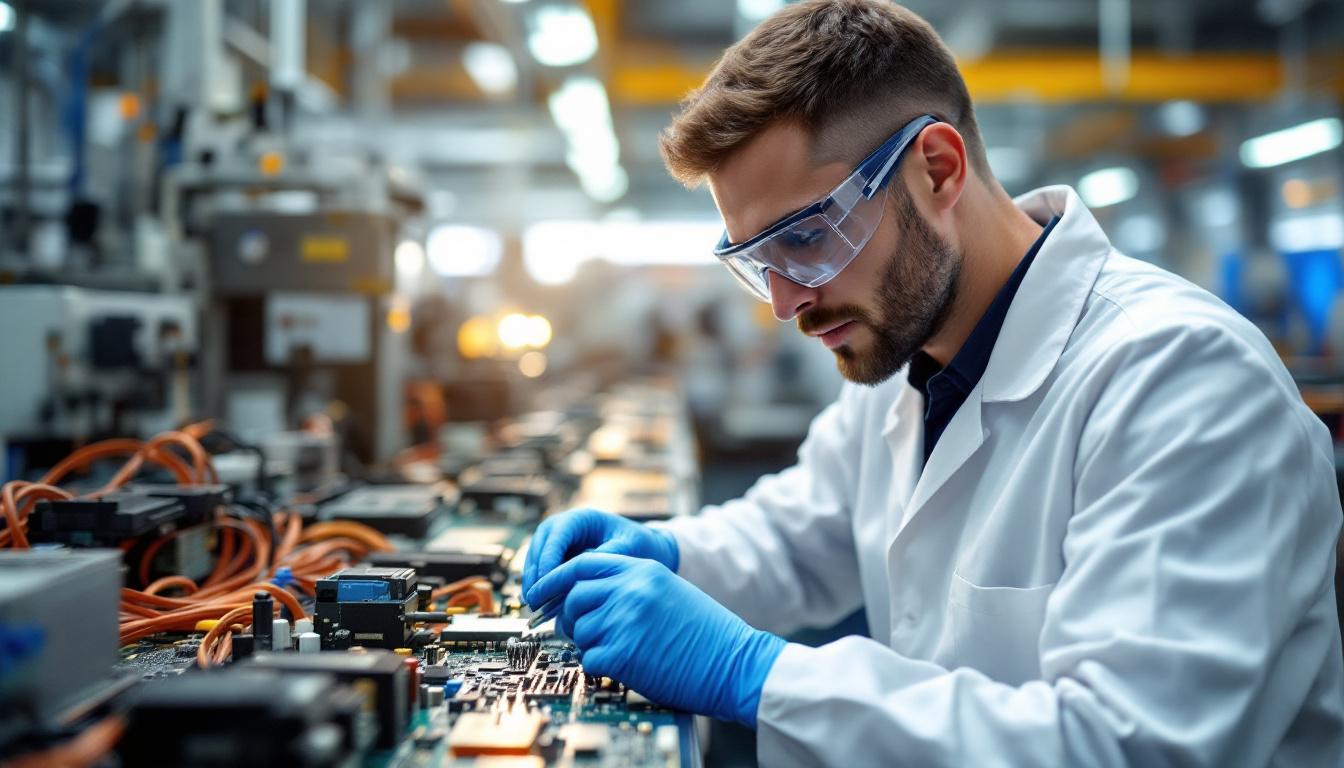
The Industrial Methods Technician, typically holding a BTS in Industrial Design, is responsible for optimizing manufacturing processes and managing preventive maintenance within a factory setting. This role involves analyzing production workflows, implementing improvements to enhance efficiency and quality, and coordinating maintenance schedules to minimize downtime. The technician works closely with production teams and maintenance departments to ensure smooth and cost-effective operations.
Entering the profession — United Kingdom
Access to the profession is generally through vocational training programs, apprenticeships, or university degrees in industrial or manufacturing engineering. Entry-level positions may require hands-on experience gained through internships or technical placements.
Training — United Kingdom
The formation relies on a professional curriculum oriented towards industrial engineering and manufacturing processes. It typically requires a technical diploma, HND, or bachelor's degree supplemented by practical internships and apprenticeships in production environments.
The job market — United Kingdom
The job market shows moderate demand for industrial methods technicians, primarily within manufacturing, automotive, aerospace, and industrial equipment sectors. Remote work is rare due to the hands-on nature of the role. Automation poses a medium risk, but the growth outlook remains stable given ongoing industrial process optimization needs.
Skills
Technical skills
- Expertise in industrial process analysis and optimization
- Preventive maintenance planning and management skills
- Proficiency in technical drawing and industrial design principles
- Knowledge of manufacturing equipment and technologies
- Data collection and performance monitoring techniques
- Use of CAD and process simulation software
- Adherence to quality and safety standards
- Strong problem-solving and troubleshooting techniques
Interpersonal skills
- Analytical thinking for effective decision-making
- Attention to detail in all tasks
- Effective communication with teams
- Team collaboration to achieve goals
- Adaptability to technological changes
- Proactive approach to challenges
- Organizational skills for managing tasks
- Responsibility and reliability in all duties
Tasks
- Analyze existing manufacturing processes to identify inefficiencies and areas for improvement
- Develop and implement optimized production methods to boost productivity
- Coordinate and schedule preventive maintenance activities to reduce equipment downtime
- Collaborate with production and maintenance teams to ensure process compliance
- Monitor and document process performance and maintenance results
- Support the introduction of new manufacturing technologies and equipment
- Ensure adherence to safety and quality standards in all processes
- Train operators and staff on new methods and maintenance procedures
- Participate in troubleshooting and resolving production issues
- Maintain technical documentation related to processes and maintenance
- Contribute to cost reduction initiatives through process optimization
- Assist in the preparation of reports and presentations for management
Work environments
Work environments for professionals in this sector may vary:
Career paths
- Advance to Industrial Methods Engineer to lead process improvements
- Progress to Production Manager to oversee teams
- Become a Maintenance Manager to coordinate maintenance strategies
- Specialize as a Process Improvement Specialist for operational excellence
- Develop into a Quality Assurance Engineer ensuring compliance