Hydrobiologist
Conduct detailed ecological assessments of water bodies by analyzing water quality with advanced analytical tools to support sustainable aquatic resource management.
About
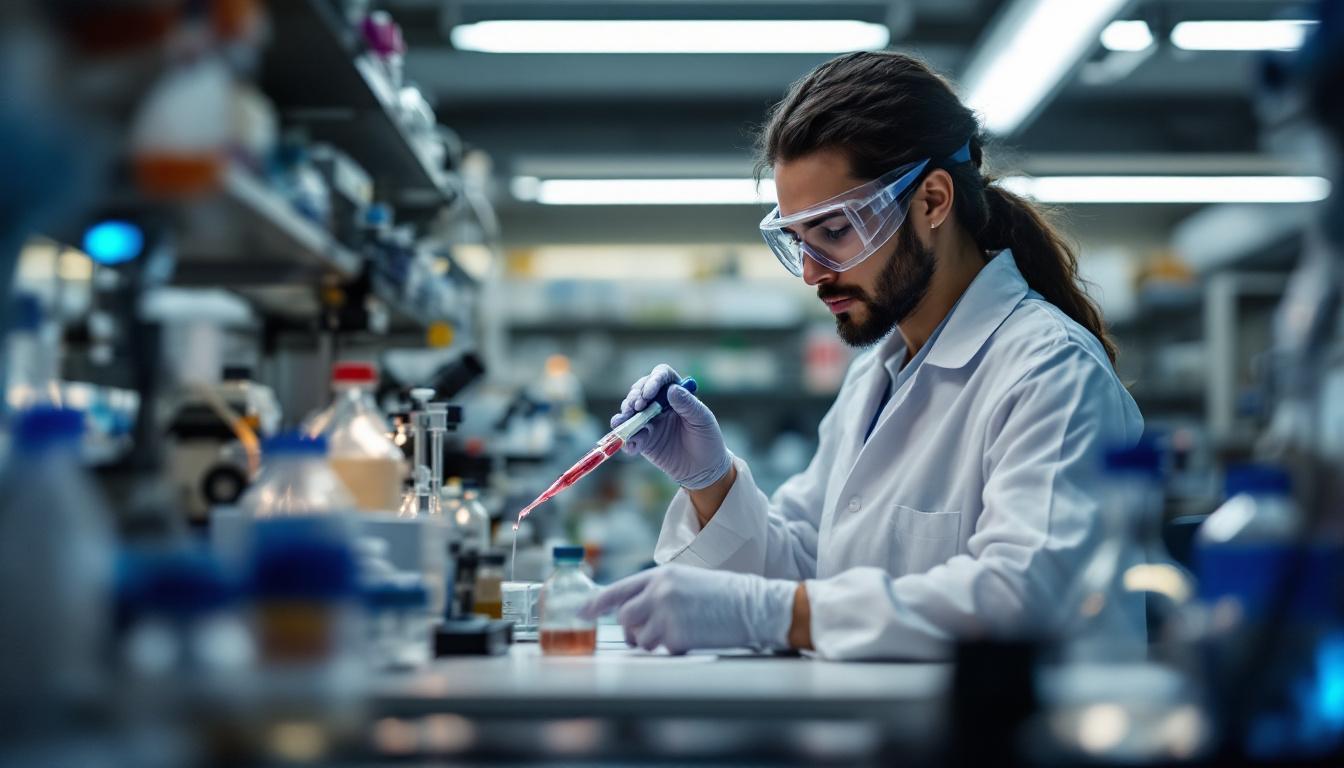
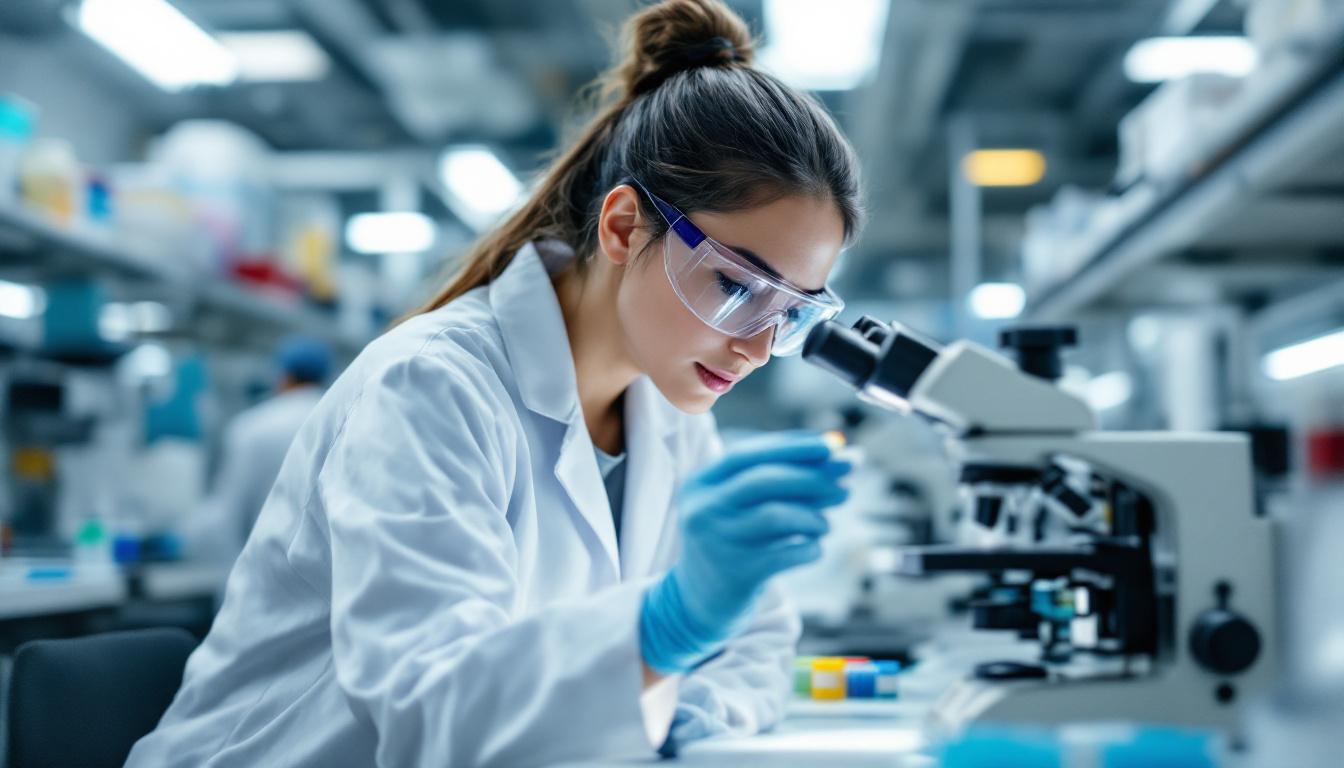
As a Hydrobiologist, you play a crucial role in understanding and preserving aquatic ecosystems. Working within environmental agencies or research institutions, your primary objective is the ecological assessment of water bodies. This involves analyzing water quality using sophisticated analytical tools and providing insights to stakeholders such as government bodies, conservationists, and community groups. Your findings directly influence environmental policies and strategies for sustainable management of aquatic resources.
Skills
Technical skills
- Proficiency in water quality analysis using cutting-edge techniques
- Expertise in managing aquatic ecosystems for sustainability
- Skilled in using HPLC for precise analytical results
- Experience with spectrophotometry to assess water properties
- Ability to interpret ecological data for informed decision-making
- Conduct comprehensive environmental impact assessments
Interpersonal skills
- Demonstrate critical thinking in complex situations
- Exhibit strong collaboration skills with diverse teams
- Effective at problem-solving in dynamic environments
- Meticulous attention to detail in all tasks
- Excel in communication to convey complex ideas clearly
Tasks
- Conduct comprehensive assessments of water quality using advanced tools like HPLC and spectrophotometers.
- Collaborate with environmental agencies to ensure research aligns with conservation goals and regulatory standards.
- Analyze populations of aquatic life to monitor ecosystem health and biodiversity.
- Prepare detailed reports on water pollution for stakeholders, highlighting key environmental concerns.
- Develop strategies to mitigate the impact of climate change on freshwater ecosystems.
- Evaluate the effects of industrial activities on aquatic environments and devise appropriate interventions.
- Coordinate with multidisciplinary teams to enhance data collection and reporting accuracy.
- Optimize resource management plans informed by data-driven insights and environmental trends.
- Engage with local communities to raise awareness on water conservation and ecosystem protection.
- Monitor the progress of implemented policies using predefined ecological KPIs.
Work environments
Work environments for professionals in this sector may vary:
Career paths
- Progress to a Senior Hydrobiologist role with leadership responsibilities
- Transition into an Environmental Consultant advising on best practices
- Advance to a Research Director overseeing multiple projects
- Become a Conservation Specialist focusing on ecosystem protection